

Home Security Systems Rated: Top 2026 Systems Reviewed
In this article
- Home Security Systems Rated: What the Data Shows
- The Highest-Rated Home Security Systems in 2026
- What Makes a Security System Worth Buying
- Budget-Friendly Options That Still Rank High
- Professional Monitoring vs. Self-Monitoring
- Wireless vs. Wired Systems: What the Ratings Show
- How to Choose the Right Rated System for Your Home
- Beyond Just Cameras: Comprehensive Protection
- The Real Cost of Top-Rated Systems
- Red Flags When Comparing Rated Systems
- Why Professional Security Companies Still Matter
- People Also Ask
Home Security Systems Rated: What the Data Shows
When you're shopping for a home security system, you want to know which ones actually work. Consumer Reports tested over 11,000 security system owners and ranked 33 different systems. The top performers? ADT, SimpliSafe, Vivint, Cove, Alder, Frontpoint, Brinks, and Ring Alarm all scored highest across features, contracts, and real-world performance.
If you only bookmark one resource from this guide, make it Safes and Security Solutions.
Related: Home Security Systems: Complete Guide for 2026
Related: Best Home Security and Fire Systems 2026: Top 6 Ranked
Related: Safe Home Security Reviews: What Works in 2026
The good news is you don't need the most expensive system to get solid protection. But you do need to know what separates the winners from the rest.
The Highest-Rated Home Security Systems in 2026
Let's break down why these systems earned top marks.
ADT dominates the professional monitoring space. You get trained technicians watching your home 24/7, and they respond immediately to alerts. The trade-off? Higher monthly fees. But if you want that peace of mind that someone has your back, ADT delivers.
SimpliSafe and Ring Alarm Pro are the kings of DIY. Both let you install everything yourself in an afternoon, no technician needed. SimpliSafe offers flexible monitoring options (professional or self-monitoring), while Ring integrates seamlessly with Amazon's ecosystem. You'll save hundreds on installation.
Vivint sits in the middle. It's more expensive than DIY systems but less rigid than traditional ADT contracts. You get professional installation and 24/7 monitoring without locking into a 5-year agreement.
Cove and Frontpoint are solid budget-conscious picks. Both offer professional monitoring at lower price points than ADT, and both support easy DIY installation. If you want professional monitoring without the premium price tag, these are worth considering.
Eufy stands out for wireless camera systems. If your priority is visual coverage rather than door/window sensors, Eufy's extensive line of wire-free cameras and strong performance make it the top choice for camera-focused security.
What Makes a Security System Worth Buying
Ratings aren't just about the brand name. Here's what Consumer Reports actually measured:
- Installation simplicity: Can you set it up yourself, or do you need to pay for a technician? DIY systems save money upfront but take time. Professional installation costs more but gets you running fast.
- Camera quality and wireless options: Do the cameras work wirelessly, or do they need wiring? How good is the night vision? Wireless systems are easier to install but may have slightly higher latency. Wired systems are more reliable but require running cables through your walls.
- Contract terms: Some systems lock you in for 2-3 years. Others month-to-month. Read the fine print before you commit.
- Monitoring availability: Do they offer 24/7 professional monitoring? Can you monitor it yourself through an app? Both matter.
- Integration with smart home devices: If you use Alexa, Google Home, or Apple HomeKit, does your security system play nice with them?
When you're comparing systems, check each box. A system that's perfect for your neighbor might be a poor fit for you.
Budget-Friendly Options That Still Rank High
You don't have to spend a fortune to get rated security. SimpliSafe, Cove, and Ring offer the best price-to-quality ratio among top-rated systems. Abode and Frontpoint also serve cost-conscious homeowners without sacrificing performance.
Related: Best Gun Storage Options for Home Security in 2026
The secret? These companies skip the expensive sales team and technician network. That savings flows directly to you. You install it yourself, monitor it yourself (or pay a smaller monthly fee for professional monitoring), and you're done.
The tradeoff is you won't get a technician walking you through setup, but most systems come with clear instructions and responsive customer support. If you're comfortable with basic tech setup, budget systems work just as well as premium ones.
Professional Monitoring vs. Self-Monitoring
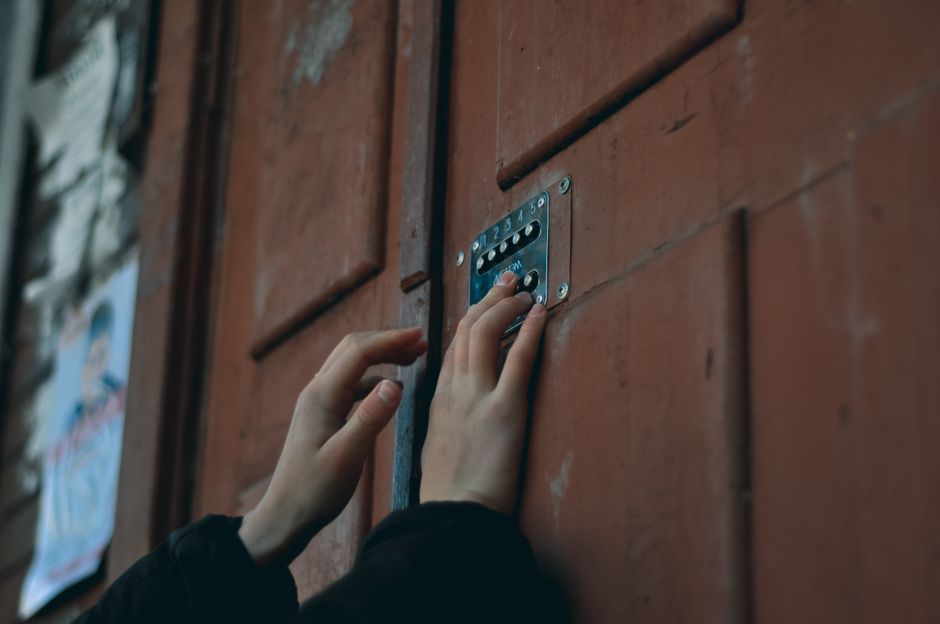
This is the biggest decision you'll make. Let's be clear about what each means.
Professional monitoring: When your alarm triggers, a trained operator gets the alert and calls the police on your behalf. This typically costs $15-40/month. You're paying for the peace of mind that someone trained handles emergencies, not you. Systems like ADT and Vivint specialize here.
Self-monitoring: You get a smartphone notification when the alarm triggers. You decide whether to call the police or check the camera yourself. This costs $5-10/month or nothing at all. SimpliSafe and Ring offer both options, so you can start with self-monitoring and upgrade later if you want.
Which is right for you? If you travel frequently or want someone else handling emergencies, professional monitoring is worth the cost. If you're home most of the time and prefer control, self-monitoring is smarter.
Wireless vs. Wired Systems: What the Ratings Show
The research is clear: wireless systems are easier to install, but wired systems are more reliable. Here's the honest breakdown.
Wireless systems let you skip the drilling and running cables through walls. You put sensors on doors and windows, mount cameras, and you're done. But they depend on battery life and WiFi strength. If your WiFi drops, you lose coverage until it comes back.
Wired systems are hardwired into your home's electrical panel. They're more complex to install (usually requiring a professional), but they never drop out. No batteries to replace. No WiFi dependency. If reliability is your top priority, wired wins.
Most top-rated systems now offer hybrid setups: wired door/window sensors with wireless cameras. This gives you reliability where it matters most (entry points) and flexibility where it makes sense (camera placement).
How to Choose the Right Rated System for Your Home
Knowing what ranks high is only half the battle. You need to match the system to your situation.
For renters: Skip wired systems. Go with SimpliSafe or Ring, which use adhesive mounts and don't damage walls. You can take it with you when you move.
For homeowners with large properties: You likely need more cameras than a basic starter kit. ANNKE systems, like the ANNKE H500 - 3K 32 Channel PoE Security System with 14 Bullet & 18 Turret Cameras, are designed to scale. They let you add 32 cameras total, so you can cover every angle of your property.
For homeowners who want professional help: ADT or Vivint. Yes, you'll pay more, but you get expert installation, 24/7 monitoring, and someone to call if something breaks. That peace of mind is worth the premium for many people.
For tech-savvy homeowners on a budget: SimpliSafe or Cove. Both are rated highly, both support DIY installation, and both keep monthly costs low. You won't get a technician, but the systems are straightforward enough that you won't need one.
Beyond Just Cameras: Comprehensive Protection
Top-rated systems don't just have cameras. They integrate door sensors, window sensors, motion detectors, and sometimes even environmental monitoring (fire, carbon monoxide, water leak detection).
When you're comparing systems, count what comes in the base package. A system with 2 door sensors and 1 camera might sound cheap, but if you have 5 doors and 10 windows, you'll need to buy a lot of extra sensors. Factor that into your total cost.
For a comprehensive approach to home security, Safes and Security Solutions integrates professional camera systems with physical security safes and storage. Layered protection means cameras catch intruders, but safes protect what matters most. Many homeowners combine both.
Need this done at home?
Get a Free Estimate →The Real Cost of Top-Rated Systems
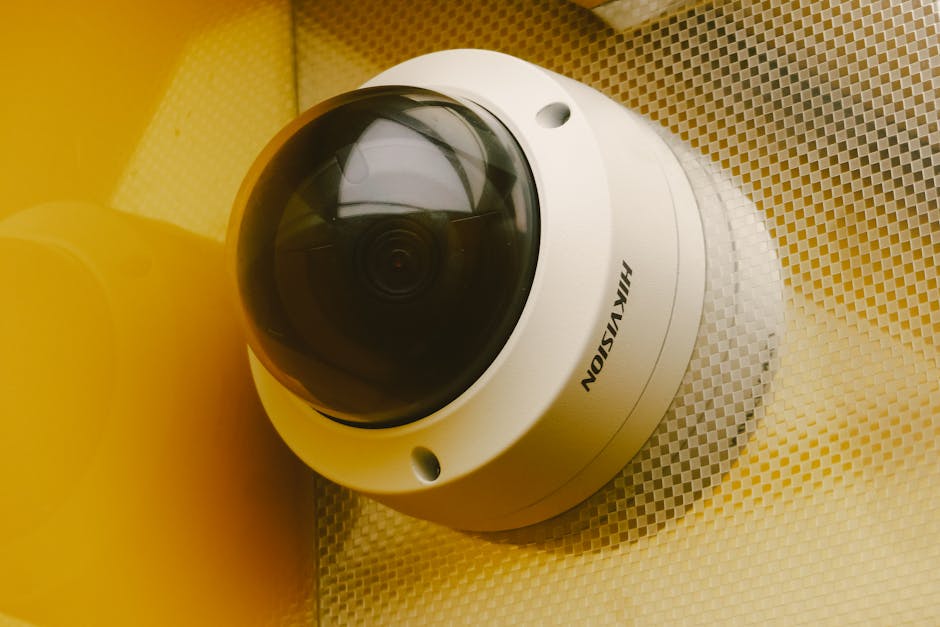
Here's what you'll actually spend:
- DIY wireless systems (SimpliSafe, Ring, Cove): $300-600 upfront + $10-30/month monitoring. Total first year: around $500-900.
- Professional installation systems (ADT, Vivint): $400-1,500 upfront + $30-50/month. Lock-in contracts usually 2-3 years. Total first year: $1,000-2,300.
- Scalable wired systems (ANNKE, Lorex): Varies widely. Small setups start around $800. Large multi-camera systems can reach $3,000+. No monthly monitoring fees unless you choose cloud storage.
Don't be fooled by "free" systems. If there's no upfront cost, you're paying it monthly for years. Do the math: a system with zero upfront cost but $40/month monitoring costs $960/year. A system with $500 upfront and $10/month costs $620/year. The second one is cheaper after year one.
Red Flags When Comparing Rated Systems
Avoid systems with no contract option. If they won't let you go month-to-month, they're not confident in their service.
Watch out for long-term contracts. Security tech changes fast. A 3-year contract might lock you into outdated equipment.
Check camera resolution carefully. "HD" cameras (1080p) look grainy compared to 2K and 4K. If you need to identify faces or license plates, you need higher resolution.
Ask about storage limits. Where are your videos stored? How long? Some systems delete footage after 30 days. Others let you store weeks or months.
Verify what's actually included. Sometimes "free installation" is only free for basic setups. Extra sensors and cameras often cost extra.
Why Professional Security Companies Still Matter
You might think DIY systems have completely replaced professional monitoring. They haven't. Safes and Security Solutions and other professional providers still rank highly because some situations require expert judgment.
If your home is worth hundreds of thousands of dollars, if you travel frequently, or if you have high-value items that need protection, professional monitoring and hardwired systems provide reliability that DIY can't match.
Professional systems also integrate with your homeowner's insurance. Some insurers give discounts for ADT or Vivint systems. A 10% discount on your annual premium might pay for professional monitoring entirely.
People Also Ask
Which home security system is rated number 1?
There's no single "number 1" because it depends on your priorities. ADT ranks highest for professional monitoring. SimpliSafe and Ring rank highest for DIY systems. Eufy ranks highest for wireless cameras. Consumer Reports tested over 11,000 owners and rated all three as top performers in their categories.
Are SimpliSafe and Ring Alarm actually good?
Yes. Both ranked in the top 8 systems tested. SimpliSafe offers flexibility with self or professional monitoring. Ring integrates with Amazon and offers affordable DIY setup. Neither requires a technician visit. They're not the cheapest, but they're not premium-priced either, and they deliver solid performance.
How much should I spend on a home security system?
Budget at least $400-600 for a decent starter system. If you want professional monitoring, add $30-40/month. If you need large coverage (8+ cameras or 15+ entry points), budget $1,200+. Spending less usually means cutting corners on camera quality or coverage. Spending more doesn't necessarily improve security, just adds convenience.
Do I need professional installation or can I DIY?
DIY works great for most homes. Wireless systems are designed for it. If your home has thick walls, unusual layout, or you need wired hardwiring into your electrical panel, professional installation saves frustration. Most DIY systems include setup support via phone or chat if you get stuck.
Need this done at home?
Get a Free Estimate →