

Safe Home Security Reviews: What Works in 2026
When you're shopping for safe home security, you want honest answers, not marketing hype. The reality is that "safe home security" encompasses two completely different categories: monitored alarm systems that detect intrusions, and physical security products like safes and cameras that prevent theft or provide evidence.
Here's what matters most: a system that actually responds when you need it, cameras that capture usable footage even at night, and safes that stand up to real threats. Let's dig into what works.
Related: Safe Strategy for Home Security: What Works & What Doesn't
Related: Best Home Security Safe Comparison Guide for 2026
Related: Home Security Systems: Complete Guide for 2026
In this article
- Understanding Safe Home Security: Monitored vs. Physical Protection
- What Safe Home Security Reviews Actually Reveal
- Professional Security Cameras: The Foundation of Safe Home Security
- Physical Safes: The Missing Piece in Most Security Plans
- Integration: Cameras Plus Safes Equals Comprehensive Protection
- Red Flags in Safe Home Security Reviews
- People Also Ask About Safe Home Security
Understanding Safe Home Security: Monitored vs. Physical Protection
Safe home security breaks into two lanes. First, there's monitored alarm monitoring (door sensors, motion detectors, 24/7 call center response). Second, there's physical security: surveillance cameras, safes for valuables, and fire-resistant storage.
Related: Best Safe Vault for Home Protection in 2026
Most homeowners need both. An alarm system tells you something's wrong. A camera tells you who did it. A safe keeps your most important items protected even if someone breaks in.
The research available on monitored security services is mixed. According to industry data, monitored systems reduce burglary risk, but response quality varies wildly by provider. Some companies still struggle with false alarm response times and follow-up protocols.
That's why Safes and Security Solutions focuses on the part of home security you control directly: professional-grade cameras and secure storage.
Need this done at home?
Get a Free Estimate →What Safe Home Security Reviews Actually Reveal
When you read reviews of security systems, you'll see three consistent complaints: false alarms, slow response times, and difficulty with contract cancellation. These issues exist because most monitored alarm companies rely on cellular or internet connectivity that can fail, and their call centers are often overloaded.
Physical security products (cameras and safes) are different. They don't depend on a third party to respond. A camera records regardless of whether you pay for monitoring. A safe protects your assets 24/7 without any subscription.
The best reviewed safe home security setups combine both: cameras for deterrence and evidence, plus secure storage for valuables, plus (optionally) a monitored alarm system as a backup layer.
Professional Security Cameras: The Foundation of Safe Home Security
Reviews consistently show that people feel safer and actually experience fewer property crimes when they have visible security cameras. That's not because criminals are stupid, it's because a camera recording is a risk they'd rather avoid.
The catch: cheap cameras don't deliver usable footage. You need cameras with these specs:
- At least 4K resolution so you can zoom in and identify faces
- Good low-light performance (EXIR or color night vision)
- Built-in two-way audio so you can communicate with visitors or warn off intruders
- Human and vehicle detection to reduce false alerts
If you're protecting a full property or running a small business, systems like the ANNKE H800 4K 32 Channel PoE Security System with 12 Bullet and 12 Turret Cameras deliver the depth of coverage that actually shows up in police reports. Multiple camera angles mean intruders can't find a blind spot, and 4K recording means detectives can pull usable facial recognition data.
Physical Safes: The Missing Piece in Most Security Plans
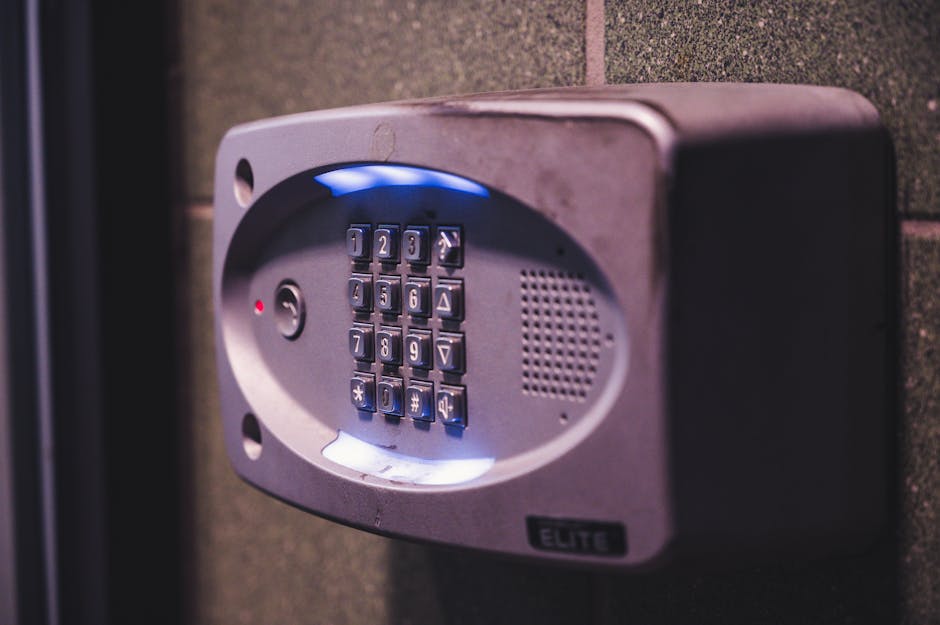
Here's what safe home security reviews don't always emphasize: a camera can't protect what's inside your home. If a burglar gets through your door, they're looking for jewelry, cash, documents, or firearms. That's where a proper safe enters the picture.
Most people buy cheap safes that burglars defeat in minutes with basic tools. A real safe forces a choice: spend hours attacking it (too risky for a burglar), or move on to an easier target.
Your safe needs to match what you're storing. A properly installed in-wall jewelry safe keeps jewelry and small valuables protected. If you own firearms, a serious gun safe like the Steelwater MAX Series for 45 Long Guns protects your investment and prevents unauthorized access.
For business owners, a Mesa Pharmacy Security Safe meets regulatory compliance while keeping inventory secure.
Integration: Cameras Plus Safes Equals Comprehensive Protection
The safest homes don't rely on just one layer. They combine surveillance (deterrence and evidence) with secure storage (actual protection of assets).
Professional security systems from Safes and Security Solutions handle this integration. You get comprehensive camera coverage that records in 4K, backed by secure safes that keep valuables protected even if a break-in happens.
This approach matches what law enforcement actually recommends. According to FBI guidance on burglary prevention, homeowners should combine visible deterrents (cameras) with actual barriers (safes and secure locks).
Red Flags in Safe Home Security Reviews
When you're reading reviews of security products or services, watch for these warning signs:
- Promises of "unbreakable" safes (no safe is truly unbreakable, only more time-consuming)
- Ultra-cheap pricing that sounds too good (quality safes are expensive for a reason)
- Camera systems with no backup storage (if internet fails, you lose footage)
- Monitored services with unclear response times or fine print contract terms
- No mention of false alarm policies (most jurisdictions charge you for false alarms)
Honest reviews will acknowledge trade-offs. A larger camera system covers more ground but costs more. A heavy-duty safe protects better but requires professional installation. A monitored alarm adds a layer of response but depends on cell service.
People Also Ask About Safe Home Security

What's the difference between a safe and a security cabinet?
A safe has a locking mechanism and thick walls to resist forced entry and tools. A security cabinet is lighter and designed more for organization and basic access control. For valuables or firearms, you need a safe.
Do security cameras really deter burglars?
Yes, visible cameras significantly reduce burglary risk. Studies show burglars avoid homes with obvious surveillance. That's why placing cameras at entry points (doors, windows, driveway) is so effective.
Can I install a professional security camera system myself?
Wired PoE systems are harder to self-install because they require running cable through your walls and connecting to a central hub. Some people can handle it, but many homeowners hire professionals for reliable installation and setup.
Is a monitored alarm service worth the monthly fee?
If you want 24/7 professional response and don't mind a recurring cost, yes. If you prefer to own your system outright with no subscription, prioritize cameras and safes instead. The answer depends on your preferences and risk tolerance.
Need this done at home?
Get a Free Estimate →