

Physical Security Best Practices for Your Home | Safes and Security Solutions
In this article
What Are the Best Practices for Physical Security at Home?
The best practices for physical security start with one core principle: create multiple layers of protection so that if one system fails, others are still working to keep your property safe. This means combining access control (like secure doors and locks), monitoring systems (cameras and sensors), and a culture of vigilance where you and your family actively notice and report anything unusual.
At its heart, physical security is about preventing unauthorized access before it happens. You do this by controlling who can enter your home, making sure only the right people have access, and having eyes on your property 24/7. Let's walk through the best practices that actually work.
Related: Best Gun Storage Options for Home Security in 2026
Start with Access Control
Your first line of defense is controlling who gets into your home. This means installing solid deadbolt locks on every exterior door, using reinforced door frames, and keeping your entry points secure at all times.
If you have family members coming and going, establish a simple rule: each person should use their own key or access method. Don't share codes or keys, and don't prop doors open for convenience. This creates accountability. If something goes wrong, you'll know who entered when.
For your garage, treat it like an entry point. Keep the garage door closed even when you're home, and don't leave the garage door remote in your car. Many break-ins happen through the garage because homeowners forget it's a security weak point.
Install Professional Monitoring Systems
Security cameras are the eyes of your home when you can't be there. A professional security camera system from Safes and Security Solutions gives you real-time visibility of your property and creates a record if anything does happen.
Need this done at home?
Get a Free Estimate →Related: Best Small Safes 2026: Top 5 Ranked for Home Security
Related: Best Sturdy Safes 2026: Top 5 Ranked for Home Security
The best systems use high-definition resolution so you can actually identify people, not just see blurry shapes. You want cameras at every entry point (front door, back door, garage), and then wider-angle cameras covering your yard, driveway, and side of the house.
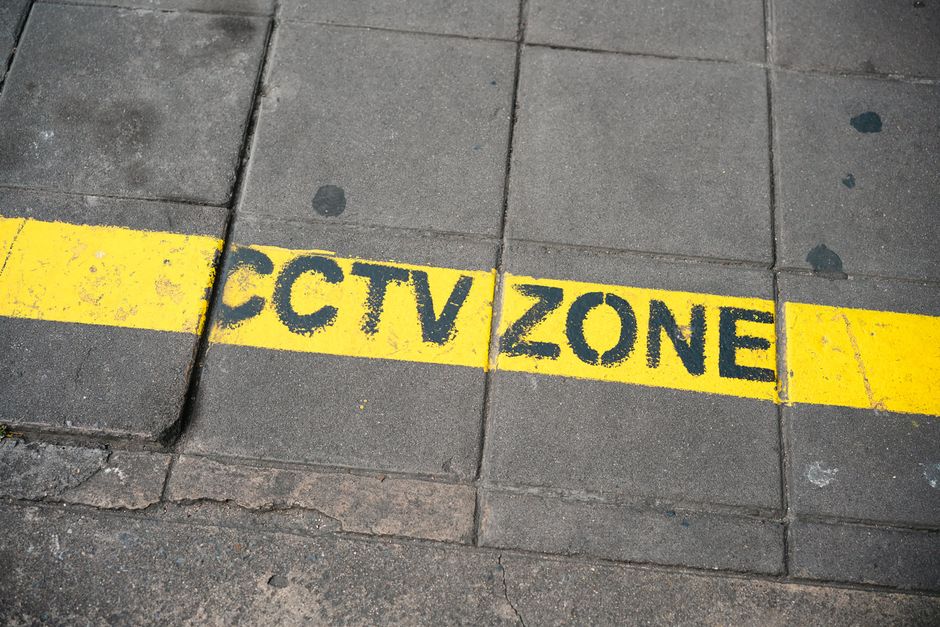
Visible security cameras and alarm system signs are proven deterrents that reduce the likelihood of property crime. Criminals avoid homes that are clearly monitored.
Modern systems like the ANNKE H500 - 3K 32 Channel PoE Security System let you monitor your home from your phone, get alerts when motion is detected, and store footage for weeks or months. That's the kind of professional-grade protection that actually works.
Secure Valuables and Sensitive Items
Physical security isn't just about keeping people out. It's also about protecting what matters most if someone does get in. This means safes for cash, important documents, firearms, and jewelry.
A home safe should be bolted to your floor or wall, not left sitting on a shelf. Keep it in a less obvious location (not your bedroom, which is the first place burglars look). If you have medications that need security due to their value, a Mesa Pharmacy Security Safe offers specialized protection designed for controlled substances.
The idea is this: even if someone breaks in, they won't find your most valuable items easily. A safe buys time and makes your home a less attractive target.
Create a Vigilance Culture
The best physical security happens when everyone in your household is paying attention. Train your family to notice suspicious activity. That means unfamiliar vehicles parked nearby, unknown people walking through your yard, or someone asking questions about when you're home.
If you notice something odd, report it. Don't approach the person yourself. Call the police non-emergency line and let them investigate. This is a critical best practice that many homeowners skip because it feels awkward or unnecessary, but it's one of the most effective deterrents.
Also teach your family not to share your security details on social media. Don't post photos from vacation while you're still away. Don't announce that you're leaving for a week. These seemingly small things tell potential thieves that your home is empty.
Maintain Your Security Systems
A dusty camera lens won't capture clear footage. Dead batteries in a motion sensor mean that sensor isn't working. The best physical security practices include regular maintenance.
Check your cameras monthly. Clean the lenses. Make sure your backup power is working. Test your alarm system. Walk around your property and look for new blind spots in your camera coverage.
If you're working with professionals at Safes and Security Solutions, they can help you design a system that covers all angles and stays updated as technology improves.
Use Environmental Design

This is a best practice that doesn't cost much but makes a real difference. Trim bushes and trees so there are no hiding spots near your doors or windows. Install motion-sensor lighting on the outside of your home. An overgrown yard with dark corners is an invitation.
Keep your yard maintained and well-lit. Use gravel or mulch in garden beds so footsteps are loud and visible. These environmental controls work with your other security layers to make your home a harder target.
Document Everything
Keep an inventory of your valuables. Take photos of serial numbers on electronics. Store this list (with photos) in a safe place, ideally in a fireproof safe. If something is stolen, this documentation helps police and your insurance company.
Also keep records of your security system passwords, camera access codes, and safe combinations in a secure location that trusted family members can access in an emergency.
People Also Ask
What is the most important physical security practice?
Access control is the foundation. Preventing unauthorized entry is always better than dealing with the aftermath. Solid locks, secure entry points, and strict badge or key protocols (even at home) stop problems before they start. After that, monitoring (cameras) and reporting suspicious activity are equally critical.
How does physical security differ between home and business?
The principles are the same, but the scale and accountability are different. Businesses need employee badge systems, multiple checkpoints, and documented procedures. Homes rely on family discipline and awareness. Businesses have security teams; homes usually rely on homeowners and professional monitoring services.
Should I tell people about my security system?
Yes. A visible alarm system sign and visible cameras are proven deterrents. Criminals want easy targets. If they know you have monitoring and security, they'll look elsewhere. You don't need to share details (passwords, camera locations), but letting people know you have a system is smart.
What should I do if I notice suspicious activity?
Don't confront the person. Document what you see (time, description, direction they went) and call your local non-emergency police line. Let professionals handle it. Report it to your neighbors too so they can be aware. This vigilance culture is one of the most underrated security practices.
Need this done at home?
Get a Free Estimate →