

Home Security Systems: Complete Guide for 2026
Home security isn't just about cameras anymore. It's a layered approach that combines surveillance, monitoring, physical barriers, and safe storage for your valuables. If you're serious about protecting your home and everything in it, here's exactly what you need to do.
If you only bookmark one resource from this guide, make it Safes and Security Solutions.
Related: Home Safety Systems: Complete Guide to Protecting Your House
Related: Security Posture for Home & Garden: Complete Protection Guide
Related: Best Home Security Safe Comparison Guide for 2026
Related: How to Protect Your Home: Complete 2026 Security Guide
In this article
What Is Home Security?
Home security means protecting your property from unauthorized access, theft, and damage using multiple overlapping systems. Think of it like this: one camera isn't enough. One lock isn't enough. But cameras plus monitoring plus safe storage plus good habits equals real peace of mind.
The best home security setups use three layers. First, deterrence (cameras and visible sensors). Second, detection (alarms and monitoring). Third, protection (safes and reinforced entry points).
Start with Professional Surveillance Systems
Cameras are your eyes when you're not home. But not all systems are equal. You want high-resolution footage, night vision, and ideally professional monitoring that alerts you when something happens.
Systems like the ANNKE H500 - 3K 32 Channel PoE Security System with 14 Bullet & 18 Turret Cameras give you professional-grade coverage at a reasonable price. Wired systems like these don't rely on Wi-Fi or batteries, so they work 24/7 even during power outages (if you have backup). They record to local storage, which means your footage stays yours.
For homes needing 4K resolution and advanced features, the ANNKE H800 - 4K 32 Channel PoE Security System with 12 Bullet & 12 Turret Cameras adds human and vehicle detection, so you're not drowning in false alerts from rain or moving leaves.
What matters most: coverage of entry points (doors, windows, garage), night vision quality, and whether you can access footage remotely.
Add Monitoring and Smart Alerts
A camera without monitoring is like a smoke detector with no batteries. Professional monitoring means someone responds if your alarm goes off at 3 a.m.
According to research from Consumer Reports, over 11,000 security system owners rated their satisfaction with professional monitoring as a top factor in their decision. Systems with 24/7 monitoring gave owners the highest confidence in their home's safety.
Many modern systems integrate with smart home platforms. You want alerts on your phone, the ability to view live footage, and ideally two-way audio so you can communicate through your cameras.
Secure Your Entry Points Physically
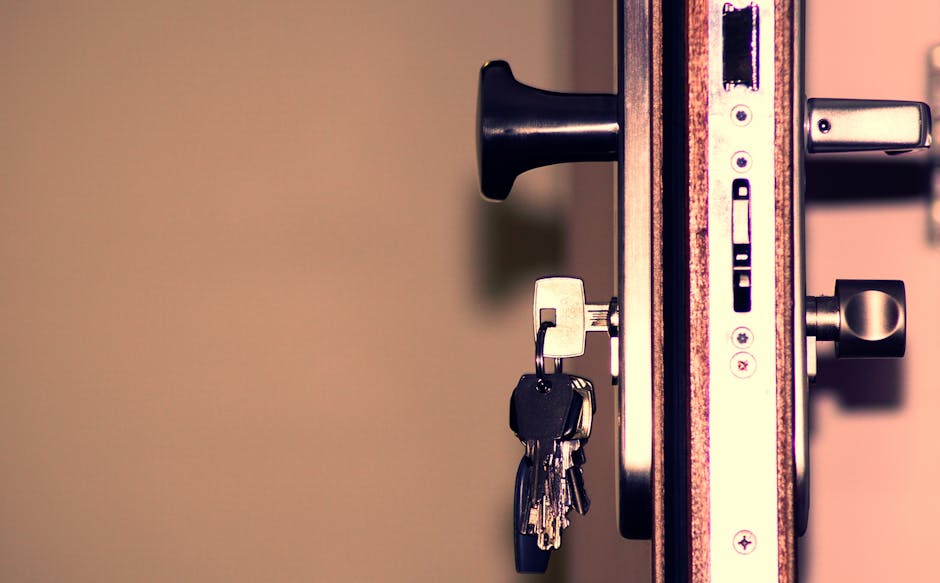
Cameras catch criminals after the fact. Physical security stops them before they enter. Reinforce your doors and windows so they can't be forced open.
- Move door hinges to the inside so they can't be tampered with from outside.
- Install burglar bars on vulnerable ground-floor windows.
- Use heavy-duty deadbolts on all exterior doors.
- Keep curtains or blinds closed so people can't see what's inside.
These aren't exciting upgrades, but they're mandatory. A locked door deters 90% of burglars who are looking for easy targets.
Invest in Quality Safes for Valuables
Your home security system protects against intruders. But what about the things inside worth stealing? That's where safes come in. Safes and Security Solutions specializes in high-quality storage for everything from firearms to jewelry to cash.
Need this done at home?
Get a Free Estimate →If you own firearms, a gun safe is non-negotiable. The Steelwater MAX794528 - MAX Series for 45 Long Guns provides secure storage with good access time. It keeps guns away from kids and criminals while staying accessible to authorized users.
For jewelry and important documents, an American Security In Wall Jewelry Safe hides valuables in plain sight. Wall-mounted safes are harder to steal because they're not portable.
If you run a small business or manage medications, the Mesa Pharmacy Security Safe meets compliance requirements while keeping controlled substances secure.
The point: layered security means cameras watch the outside, safes protect what's inside.
Combine All Three Layers
Real home security isn't one thing. It's the combination: surveillance catches intruders, monitoring responds to threats, entry-point hardening stops them before they get in, and safes protect your most valuable items.
Start with a professional camera system. Add monitoring. Upgrade your doors and windows. Then invest in appropriate safes for your valuables. That's a complete home security strategy.
If you're ready to build a professional system, Safes and Security Solutions carries everything you need from surveillance systems to safes, with free shipping and expert phone support. They also offer installation guidance so you understand exactly what you're protecting.
People Also Ask

What is the most important part of home security?
Professional surveillance combined with 24/7 monitoring. Cameras deter criminals and catch evidence. Monitoring ensures someone responds. But physical security at entry points is a close second. You need both.
How much does a home security system cost?
Professional systems range from $1,500 to $5,000+ depending on camera count, resolution, and monitoring services. Basic systems are cheaper but offer less coverage and features. Most people spend $2,000-$3,500 for solid coverage.
Do I need wired or wireless cameras?
Wired systems are more reliable because they don't depend on Wi-Fi or batteries. They work during power outages if you have backup. Wireless is easier to install but less dependable. For serious home security, wired is the better choice.
Should I store my camera footage in the cloud?
Local storage (on your NVR) keeps your footage private and accessible even if internet goes down. Cloud storage is convenient for remote viewing but adds subscription costs. Many serious home security setups use both.
Need this done at home?
Get a Free Estimate →