

Best Home Security Safe Comparison Guide for 2026

You're standing in front of three different safes at a store, and honestly, they all look pretty similar. But here's the thing: the wrong choice could leave your most important valuables unprotected. That's why we've put together this home security safe comparison guide to help you cut through the noise and find exactly what you need.
Choosing a safe isn't just about picking the biggest or most expensive option. It's about matching the right protection level to what you're actually storing, understanding how different locks work, and knowing what fire and burglary ratings really mean. When you shop with confidence, you get peace of mind that actually lasts.
Let's break down the key factors that separate a good safe from a great one. Whether you're protecting family heirlooms, important documents, cash, or firearms, Safesandsecuritysolutions has helped thousands of homeowners find the right fit for their security needs.
Related: Best Gun Lockers 2026: Top 5 Ranked for Home Security
Related: Best Sturdy Safes 2026: Top 5 Ranked for Home Security
Related: Best Commercial Safe for Cash Handling in 2026
In this article
- Lock Type: The Foundation of Your Safe Comparison
- Fire and Water Protection: Know Your Ratings
- Burglary Protection and Security Standards
- Safe Size and Storage Capacity: Match Your Needs
- Installation: Wall-Mounted vs. Floor Safes
- Internal Organization: Maximize Your Space
- Your Home Security Safe Comparison Starts Here
- Common Storage Use Cases and Safe Recommendations
- Durability and Long-Term Investment Value
Lock Type: The Foundation of Your Safe Comparison
The lock mechanism is where protection begins. You've got three main options, and each one offers different advantages depending on your lifestyle and preferences.
Related: Best PoE Security Camera System for Home Protection
Mechanical locks are the classic choice. They use a dial or key and require no batteries or electronics. If you like simplicity and reliability without worrying about power loss, mechanical locks are your answer. They're also typically the most affordable option.
Electronic locks give you speed and convenience. You punch in a code, and the bolt retracts. They're faster than fiddling with a dial, especially if you need quick access. The downside? You need to keep batteries fresh and remember your code. Electronic locks are perfect if you access your safe regularly.
Biometric locks represent the newest wave of home safe technology. These use your fingerprint for instant access with zero keys or codes to forget. They're incredibly convenient for busy families, but they cost more upfront and still require backup mechanical or electronic access in case the system fails.
Here's an honest take: most homeowners do best with a combination of mechanical and electronic. That way, you've got a backup if one system fails.
Fire and Water Protection: Know Your Ratings
Fire ratings matter more than you might think. A safe's fire rating tells you how long it can protect documents or valuables from extreme heat. Ratings typically range from 30 minutes to 2 hours at temperatures around 1,200 degrees Fahrenheit.
Here's what you need to know: standard paper ignites at around 451 degrees, but important documents need protection at much higher temperatures. If you're storing irreplaceable deeds, photos, or certificates, look for at least a 1-hour fire rating. Cash and jewelry can often handle shorter ratings since they're not combustible.
Water protection is equally important, especially if your safe sits in a basement or anywhere near potential flooding. Many modern safes combine both fire and water ratings, so your valuables stay protected even after a fire department douses your home with water.
According to the National Fire Protection Association, home fires cause over 3,500 deaths and $15 billion in direct damage annually. Having proper fire-rated storage isn't just smart; it's essential protection for the documents you can't replace.
Burglary Protection and Security Standards
Not all safes are created equal when it comes to resisting break-ins. Burglary ratings measure how well a safe withstands drilling, prying, and other tampering attempts. The Underwriters Laboratories (UL) standard is the gold standard here.
A safe with strong burglary protection features thick steel walls, reinforced hinges, and anti-tampering mechanisms. If you're storing firearms or high-value jewelry, you want a safe that's certified for burglary resistance. This typically means heavier construction and a higher price tag, but the investment protects what matters most.
Here's the practical difference: a basic safe might keep casual thieves out. A burglary-rated safe keeps professionals thinking twice. It's not about paranoia; it's about real deterrence.
Need this done at home?
Get a Free Estimate →Safe Size and Storage Capacity: Match Your Needs

This is where many people make mistakes. They buy too small and regret it within months, or they buy too large and waste space and money.
Related: Gun Safe Handgun Storage: Your Complete Guide
Think about what you're actually storing. A single handgun needs about 1 cubic foot of space. Important documents take minimal room. Cash and jewelry are incredibly compact. Multiple firearms, firearms plus documents plus valuables? You're looking at something bigger.
A good rule: add up what you know you'll store, then add 30 percent more for future items. You want breathing room, not a space where everything's crammed.
Consider where the safe will go too. A wall-mounted safe takes less floor space but has limited capacity. A floor safe or freestanding unit offers more flexibility and storage but needs a dedicated corner or closet. When you're ready to explore options that match your specific space and storage needs, Safesandsecuritysolutions can help you compare dimensions and capacities side by side.
Installation: Wall-Mounted vs. Floor Safes
Installation matters for security and convenience. Wall-mounted safes hide behind pictures or on shelves, keeping thieves from easily spotting them. They're excellent for document storage and smaller valuables.
Floor safes or freestanding units offer heavier construction and better burglary ratings. They're harder to move or remove, which deters theft. The downside? They're visible and less concealable. But many homeowners accept this trade-off for the superior protection.
Your choice depends on your budget, available space, and what you're protecting. Most homeowners benefit from having both: a hidden wall safe for documents and a floor safe for firearms and high-value items.
Internal Organization: Maximize Your Space
Modern safes don't just protect. They organize. Look for safes with adjustable shelving, document racks, and compartments designed for specific items.
Organized storage means faster access when you need something, and it helps prevent damage. Firearms stay separated from sensitive documents. Cash has its own section. Jewelry sits protected on velvet rather than rattling around loose.
This might sound like a small detail, but it's the difference between a safe that frustrates you and one that becomes part of your daily routine.
Your Home Security Safe Comparison Starts Here
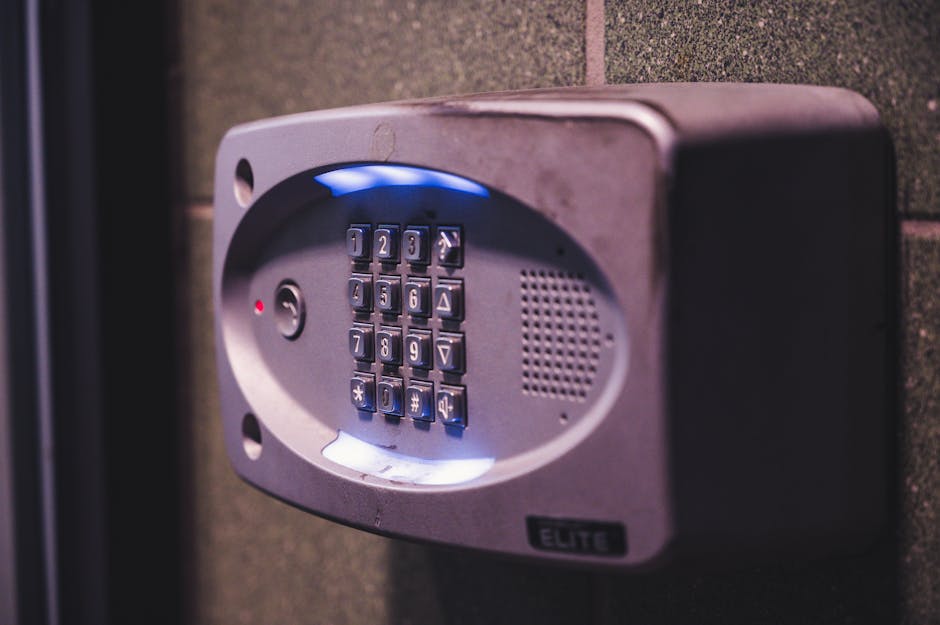
The best safe for your home depends on three things: what you're storing, how often you access it, and your budget. Start by listing your valuables and their replacement cost. Then decide on your priority: fastest access, maximum security, or fire protection.
Once you know those answers, the choice becomes much clearer. A firearms owner might prioritize burglary ratings and biometric access. A homeowner with important documents might focus on fire ratings and wall-mounted convenience. A small business owner protecting cash might want floor-mounted construction with mechanical locks and water protection.
Related: Best Small Business Cash Management Safe for 2026
Whatever your situation, don't settle for guesswork. Safesandsecuritysolutions specializes in helping people find safes that match their real-world needs. Our team understands fire ratings, lock mechanics, and storage solutions because we work with homeowners like you every day.
Common Storage Use Cases and Safe Recommendations
Different items need different protection strategies. Here's how to think about it:
- Important Documents: Prioritize fire rating (1-2 hours) and water protection. Wall-mounted or small floor safe. Mechanical or electronic lock.
- Firearms (Handguns): Prioritize quick access (biometric or electronic lock) and burglary protection. Small floor safe or wall-mounted. Consider household safety requirements.
- Cash and Jewelry: Prioritize burglary rating and concealment. Wall-mounted or hidden floor safe. Electronic or biometric for convenience.
- Mixed Valuables: Balance all factors. Medium-sized floor safe with compartments, electronic lock, moderate fire rating, and burglary protection.
Each use case has a different answer because each one has different priorities. When you understand your primary goal, everything else falls into place.
Durability and Long-Term Investment Value
A safe is a one-time purchase that should protect you for decades. Invest in quality construction: solid steel, reinforced doors, and proven locking mechanisms. Cheaper safes might cost less upfront, but they often use thinner materials and weaker locks that fail or become obsolete.
Think of it like buying a car versus renting one. Yes, the upfront cost is higher, but you're buying years or decades of reliable protection. That peace of mind compounds every single day you own it.
What fire rating do I actually need for my documents?
If you have irreplaceable documents (deeds, birth certificates, photos), aim for at least a 1-hour fire rating. For everyday important documents that you could recreate, 30 minutes is acceptable. For items that aren't paper-based (cash, jewelry, drives), fire rating matters less than burglary protection.
Can I install a safe myself, or do I need a professional?
Wall-mounted safes are usually DIY-friendly if you have basic tools and wall studs to anchor into. Floor safes and heavy units typically need professional installation to ensure they're properly bolted down and level. Professional installation also guarantees the safe performs as rated in an emergency.
How do I choose between electronic and mechanical locks?
If you access your safe frequently (daily or several times a week), electronic or biometric locks save time. If you rarely open it, a mechanical lock's simplicity and reliability win. Many people use both: biometric or electronic for everyday items, mechanical backup for long-term storage.
What's the difference between a home safe and a gun safe?
Gun safes prioritize quick, secure access to firearms and often have interior organization for ammunition and accessories. Home safes prioritize fire and water protection for documents and valuables. Some safes handle both, but they're usually compromises. Choose based on your primary storage need.
Need this done at home?
Get a Free Estimate →