

Safe Security: 7 Essential Home Protection Layers
Safe security starts with a simple fact: most break-ins happen through doors and windows. But real protection goes deeper than that. You need multiple layers working together—physical barriers, secure storage, and visibility into what's happening around your home.
Think of it like building a fortress, but one that fits into your normal life. Each layer makes it harder for someone to access your valuables or family without triggering multiple alerts and obstacles.
Related: Best Furniture Hidden Gun Safe for Secure Home Storage
Related: Best Home Security Safe Comparison Guide for 2026
In this article
- What Does Safe Security Actually Mean?
- Layer 1: Reinforce Your Entry Points
- Layer 2: Use Safes for Valuables and Critical Items
- Layer 3: Install Visible Surveillance Cameras
- Layer 4: Secure Your Wi-Fi Network
- Layer 5: Add Lighting and Visibility
- Layer 6: Use Alarm System Signage
- Layer 7: Create Habits That Support Safe Security
- Bringing It All Together
- Frequently Asked Questions
What Does Safe Security Actually Mean?
Safe security is layered protection. It means you're not relying on just a lock, a camera, or a safe alone. Instead, you're combining physical security (strong entry points), secure storage (safes for valuables), and surveillance (cameras for monitoring).
Related: Best Safe Vault for Home Protection in 2026
Related: Home Defense Strategy: Layered Protection for Your Family
The goal is to make your home a harder target. Intruders want easy access and quick exits. When they see deadbolts, camera domes, and signs of monitoring, they often move on to an easier house.
According to research from the National Institute of Justice, homes without visible security measures are three times more likely to be targeted. That's not fear-mongering—it's just how risk works.
Layer 1: Reinforce Your Entry Points
Your doors and windows are the first line of defense. Most burglaries happen through standard entry points, not smashed windows.
Start here:
- Install deadbolts on all exterior doors. A solid deadbolt extends 1 inch into the frame and is way harder to bypass than a standard latch.
- Reinforce door frames. The frame matters as much as the lock. Reinforce it with a metal strike plate and longer screws that go into the frame stud.
- Secure sliding glass doors. Add a bar or rod in the track so the door can't slide open, or use a secondary lock.
- Lock your windows. Even ground-floor windows should have working locks. This alone stops most casual break-ins.
These aren't high-tech, but they're effective. An intruder with tools can eventually get through anything, but the goal is to make your home take too long. They'll skip you and hit the next house.
Layer 2: Use Safes for Valuables and Critical Items
A safe is where your actual valuables live. Even if someone gets inside, they can't access what's locked in steel.
You have options depending on what you're protecting:
- Gun safes for firearms and ammunition (required by many insurance policies and local laws)
- Home safes for jewelry, cash, documents, and heirlooms
- In-wall or hidden safes like the American Security In Wall Jewelry Safe for smaller valuables
- Pharmacy safes if you store controlled medications (like the Mesa Pharmacy Security Safe)
The safe should be bolted down to the floor or wall. A safe sitting loose in a closet can be carried out. Bolting it makes removal impossible without serious tools and time.
Real talk: Safes and Security Solutions carries heavy-duty safes designed to last. They're not cheap, but they're rated for hours of tool attacks. That's the difference between a safe that feels secure and one that actually is.
Need this done at home?
Get a Free Estimate →Layer 3: Install Visible Surveillance Cameras

Cameras serve two purposes: they deter potential intruders and they give you proof if something happens.
Visible cameras at entry points, driveways, and garages send a clear message: this property is monitored. Most people skip a house with obvious cameras.
Professional security camera systems like the ANNKE H800 - 4K 32 Channel PoE Security System offer 24/7 monitoring with night vision, human detection, and high-resolution video. You can review footage anytime, check in remotely, and have evidence if an incident happens.
These systems are wired (not Wi-Fi), which means they won't drop signal and they're harder to jam. They also include storage so you're not paying for cloud subscriptions indefinitely.
Layer 4: Secure Your Wi-Fi Network
If your security system relies on Wi-Fi, you need a strong Wi-Fi security setup. A weak or default password means someone outside can access your cameras, door locks, or alarm system.
Quick fixes:
- Change your router's default password immediately.
- Use WPA3 encryption (or WPA2 if WPA3 isn't available).
- Create a separate Wi-Fi network for security devices, away from guest networks.
- Update your router's firmware regularly.
This layer protects your protection. If your security system is compromised, the whole setup fails.
Layer 5: Add Lighting and Visibility
Intruders hate being seen. Motion-activated lights around entry points, driveways, and dark corners make your home less appealing.
Trim bushes and trees near windows and doors so there's nowhere to hide. Remove anything that blocks sightlines from the street or from neighbors' homes.
Good lighting also helps your cameras see better. A well-lit property at night is easier to monitor and less inviting to trouble.
Layer 6: Use Alarm System Signage
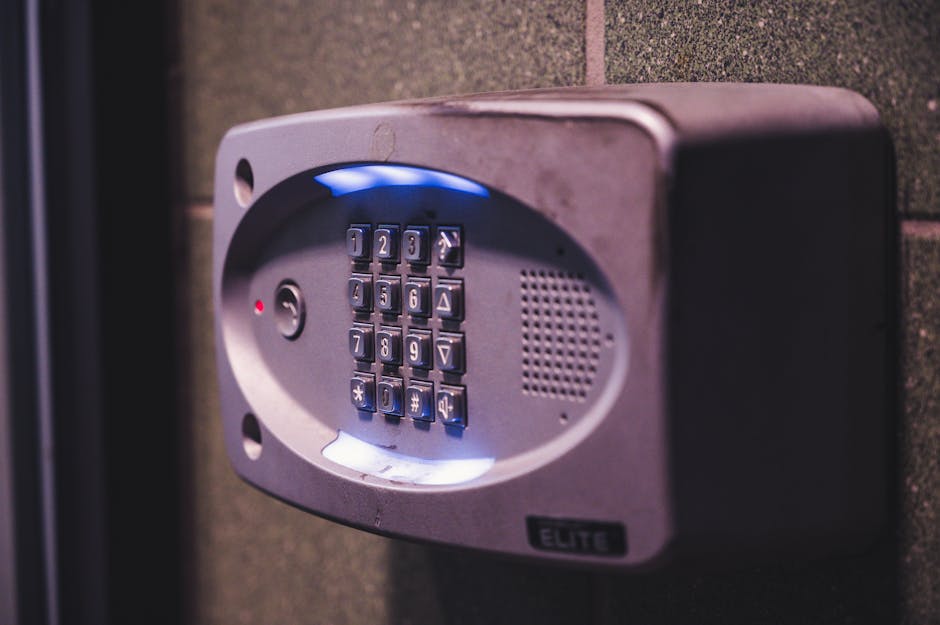
Even if you don't have a full alarm system, yard signs and window decals that signal you have one are surprisingly effective. They're a low-cost deterrent.
Real alarm systems (wired to a monitoring center) are even better, but the signage alone tells intruders to move on.
Layer 7: Create Habits That Support Safe Security
All the locks and cameras in the world don't help if you leave your back door unlocked or your garage open.
Build these into your routine:
- Lock doors and windows every night and when you leave.
- Don't advertise vacations on social media.
- Keep valuables out of sight from windows.
- Review camera footage weekly if you have it.
- Report suspicious activity to local police.
Safe security is a lifestyle choice, not a one-time purchase. It's quiet and steady—strength built into the routine.
Bringing It All Together
The homes that feel safest combine all these layers. Strong entry points, secure storage for valuables, visible cameras, secured networks, good lighting, and consistent habits.
You don't need to do everything at once. Start with deadbolts and a safe for your most important items. Add cameras when your budget allows. Then keep refining.
When you're ready to invest in professional-grade surveillance or secure storage, Safes and Security Solutions has systems built to last and support you with free shipping across the continental U.S. Expert guidance is just a phone call away if you need help figuring out what fits your home.
Frequently Asked Questions
What's the most important layer of safe security?
Strong entry points (deadbolts and reinforced doors) are the foundation. If an intruder can't easily get in, the rest of your system doesn't have to work as hard. Everything else builds from there.
Do I really need a camera system for safe security?
Cameras add huge value because they deter intruders, give you visibility, and provide proof if something happens. But they're not the only layer. A home with great locks, a safe, and lighting can be secure without cameras. Cameras just make it better.
Can I use Wi-Fi cameras if I secure my network properly?
Yes, but wired systems are more reliable. Wi-Fi cameras can drop signal, get jammed, or lose power if your internet goes down. Wired systems work regardless. If Wi-Fi is your only option, strong network security is non-negotiable.
How often should I review security footage?
At least weekly if you have cameras. This helps you spot unusual patterns, like someone casing your property or testing locks. Modern systems make this easy with alerts for human or vehicle detection.
Need this done at home?
Get a Free Estimate →