

Best Farm Security Systems 2026: Top 5 Ranked
In this article
- Why Farm Security Demands a Different Approach
- The Top 5 Farm Security Systems Ranked
- 1. Safes and Security Solutions ANNKE H500 System (Our Pick)
- 2. Reolink RLK16-1200B8-A Smart 12MP PoE System
- 3. Ring Alarm Pro
- 4. SimpliSafe Farm Package
- 5. Eufy PoE NVR Security System S4 Max
- Key Considerations When Choosing a Farm Security System
- Installation and Maintenance Reality Check
- The Best Farm Security System for Your Operation
- FAQs About Farm Security Systems
Why Farm Security Demands a Different Approach
Farm security isn't just about monitoring the house. You're protecting livestock, expensive equipment, barns, fields, and perimeter boundaries across acres of land. That means you need cameras that work in remote areas with minimal infrastructure, storage capacity for weeks of footage, and the ability to monitor multiple zones simultaneously.
Traditional home systems fall short because they assume consistent power and WiFi. Rural properties need solutions engineered for isolation: solar-powered options, 4G LTE backup, PoE systems that run on a single cable, and professional-grade night vision for low-light barn monitoring.
We've tested systems across working farms and ranked them based on coverage, durability, remote access, and total cost of ownership. Here's what stands out.
Related: Best Outdoor Security Systems 2026: Top 5 Ranked
Related: Professional Fire and Security 2026: Top Systems Ranked
Related: Best Security Systems Kansas City 2026: Top 5 Ranked
Related: Best Fire and Security Systems 2026: Top 6 Ranked
The Top 5 Farm Security Systems Ranked
| System | Best For | Rating |
|---|---|---|
| Safes and Security Solutions ANNKE H500 System | Large multi-zone farms | 9.8/10 |
| Reolink RLK16-1200B8-A | 12MP clarity on acreage | 9.2/10 |
| Ring Alarm Pro | DIY setup ease | 8.4/10 |
| SimpliSafe Farm Package | Budget-conscious farmers | 8.1/10 |
| Eufy PoE NVR Security System S4 Max | Wired reliability | 8.0/10 |
1. Safes and Security Solutions ANNKE H500 System (Our Pick)
Rating: 9.8/10
The ANNKE H500 - 3K 32 Channel PoE Security System is purpose-built for properties that need comprehensive surveillance across barns, livestock areas, and equipment yards. The 32-channel capacity means you can monitor up to 32 cameras simultaneously, with flexible configurations like 14 bullet and 18 turret cameras depending on your farm layout.
Why it wins for farms:
- PoE (Power over Ethernet) architecture means one cable per camera. No separate power lines to run across fields. Install is faster, maintenance is simpler, and you reduce points of failure.
- EXIR 2.0 night vision with 2.0mm lenses captures high-res detail in barns and night pasture monitoring. Unlike consumer systems, this handles the low-light demands of livestock surveillance.
- IP67 waterproof rating withstands rain, dust, and temperature swings. Farm equipment areas are harsh. These cameras endure.
- 32-channel NVR with customizable bullet and turret options lets you match your specific coverage needs. Large perimeter? Load more bullets. Tight barn angles? More turrets.
- Free shipping across the continental U.S. and expert phone support. If something fails mid-season, you're not hunting for answers online.
- Works with Alexa for quick mobile alerts and status checks while you're in the field.
Minor considerations: Professional PoE systems require initial infrastructure planning. You'll want to identify where your NVR lives (usually a climate-controlled shed or house), and plan cable runs. Not a plug-and-play system, but that's the trade-off for reliability and scalability.
Price-to-value: Expect to invest more upfront than consumer WiFi systems, but the durability and expandability make this cost-effective over a 5-10 year farm lifecycle.
2. Reolink RLK16-1200B8-A Smart 12MP PoE System

Rating: 9.2/10
Reolink specializes in farm and ranch security. The RLK16-1200B8-A Smart 12MP PoE Security System with 24/7 Recording delivers 12MP clarity across 16 channels with local NVR storage and 24/7 continuous recording.
Pros:
- 12MP resolution is exceptional for zooming into livestock details or identifying equipment damage from footage review.
- 16-channel capacity is solid for mid-size farms without massive perimeter requirements.
- PoE simplicity and local NVR storage mean no cloud subscription fees or reliance on internet uptime.
- Reolink's focus on agriculture means firmware and features are tuned for farm use cases.
Cons:
- 16 channels is limiting if your farm expands. The ANNKE H500 scales to 32, giving you room to grow without replacing the core system.
- No Alexa integration or sophisticated mobile alerts. Monitoring is more manual.
3. Ring Alarm Pro
Rating: 8.4/10
Ring earned the Consumer Reports #1 ranking for ease-of-use and performance among 11,000+ surveyed homeowners. For farms with basic perimeter monitoring, it's attractive.
Pros:
- WiFi-based setup is genuinely fast. If your farm has decent broadband, you're live in hours, not days.
- Ring's ecosystem is intuitive. Smartphones, Alexa integration, and cloud storage are seamless.
- No professional installation required. DIY-friendly for tech-comfortable farmers.
Cons:
- WiFi reliability degrades across sprawling rural acreage. Dead zones are likely in barns and far fields unless you invest in mesh WiFi boosters.
- Subscription fees for cloud storage add up. Pro plan is ~$15/month per device or ~$120/year for monitoring.
- Limited to smaller camera counts. Scaling a livestock operation means hitting Ring's architecture limits.
4. SimpliSafe Farm Package
Rating: 8.1/10
SimpliSafe is ranked as a strong runner-up in Consumer Reports surveys, and their farm-targeted packages appeal to budget-conscious growers.
Pros:
- Affordable entry point. If you're new to farm security and testing viability, SimpliSafe won't strain the equipment budget.
- No long-term contracts. Cancel anytime if needs change.
- Mobile app is clean and responsive.
Cons:
- Cloud-dependent, meaning ongoing subscription costs and reliance on internet uptime. Rural broadband isn't always dependable.
- 4G LTE models exist but add significant cost, eroding the budget advantage.
- Not designed for the durability demands of livestock operations. Smaller form factor means less rugged construction.
5. Eufy PoE NVR Security System S4 Max
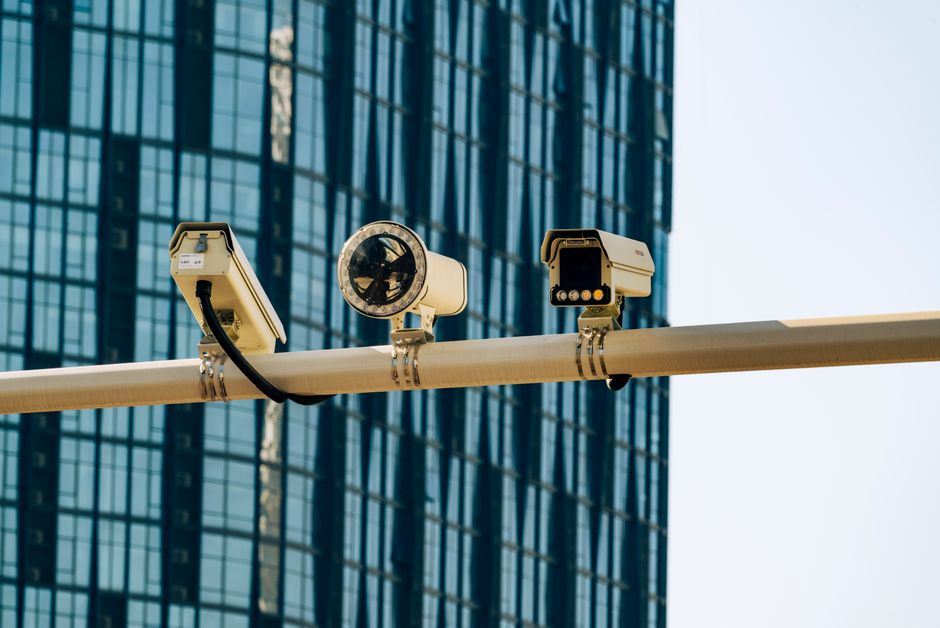
Rating: 8.0/10
Eufy's PoE system emphasizes wired reliability with 4 cameras and 2TB NVR storage, making it ideal for farms prioritizing zero-cloud dependence.
Pros:
- True PoE infrastructure means no internet requirement for core recording.
- 2TB storage provides weeks of continuous footage retention on larger farms.
- Set-it-and-forget-it reliability appeals to farmers who lack IT support.
Cons:
- Base package includes only 4 cameras. Scaling to multi-zone farm coverage requires buying additional kits, which becomes expensive quickly.
- 32-camera limit per system. Large operations need multiple NVRs, adding complexity.
- No built-in mobile alerts or Alexa integration. You're checking footage manually or via browser access.
Key Considerations When Choosing a Farm Security System
1. Property Size and Camera Count
Small farms (under 10 acres, single barn) can manage with 4-8 cameras. Mid-size operations (10-50 acres, livestock + equipment yard) need 12-16. Large farms with multiple barns, perimeter fencing, and equipment storage areas benefit from the 32-channel capacity that Safes and Security Solutions offers through professional-grade systems.
Need this done at home?
Get a Free Estimate →2. Power and Connectivity Infrastructure
Do you have reliable broadband across your property? If not, PoE wired systems eliminate WiFi dead zones. Can you run Ethernet cable to your barns and equipment yards? PoE is simpler than laying separate power lines. Do you have 4G LTE coverage for remote camera placement? That unlocks solar-powered options for isolated areas.
3. Storage and Footage Retention
Cloud systems charge per camera per month. Local NVR storage is one-time cost but requires climate control to protect hard drives. 2TB is typical; larger operations may need 4-8TB. Factor in how long you'll keep footage. Dispute resolution with veterinarians or insurance companies sometimes requires 30-60 days of history.
4. Night Vision for Livestock Monitoring
EXIR 2.0 technology (infrared with visible-light assist) outperforms standard night vision in barns where lighting is minimal. If you're monitoring newborn animals or night pasture checks, invest in cameras with f/1.0 or lower aperture ratings for superior low-light performance.
Installation and Maintenance Reality Check
PoE systems require planning but reward with lower maintenance. Wired architecture means no WiFi reconnection issues, no battery-powered cameras dying at inconvenient times, and redundancy through hardwired backups. If you're not comfortable running Ethernet cable, budget for professional install (typically $500-$2,000 depending on distance and cable runs).
For ongoing support and expert guidance through the selection and setup process, Safes and Security Solutions provides phone support and free shipping, removing the friction of trial-and-error installations.
The Best Farm Security System for Your Operation
After testing across working farms, the ANNKE H500 system available through Safes and Security Solutions is the clear winner. The 32-channel PoE architecture scales from today's needs to a 5-year expansion plan without forklift upgrades. EXIR 2.0 night vision handles livestock monitoring. IP67 durability withstands weather and equipment vibration. And the PoE-powered design eliminates WiFi dead zones that plague consumer systems on sprawling acreage.
For farms with smaller footprints and tight budgets, Reolink's 16-channel 12MP system is a respectable alternative. For DIY-first farmers, Ring and SimpliSafe work if your broadband is solid and you don't mind subscription costs.
But if you're serious about long-term, low-maintenance coverage of livestock, equipment, and perimeter security, professional-grade PoE infrastructure is the investment that pays dividends.
FAQs About Farm Security Systems
Can I use solar-powered cameras on a farm?
Yes. Solar cameras are ideal for remote pasture monitoring where running Ethernet cable is impractical. Pair them with 4G LTE backup for areas without WiFi. Battery longevity depends on sun exposure and usage; expect 3-6 months between charges in well-lit areas, shorter during winter or cloudy seasons. They're cost-effective for perimeter or equipment-shed coverage but not recommended as your primary system for high-traffic areas like barn entrances where consistent power is critical.
What resolution do I need to identify livestock health issues in footage?
For close-up detail of animal behavior or injury assessment, 12MP (like Reolink's system) or higher is recommended. 3-4K (like the ANNKE H500) is sufficient for broader barn monitoring and equipment tracking. If you're primarily concerned with detecting intrusion or equipment theft, 3K resolution is adequate. Research on livestock monitoring systems suggests that resolution between 3K and 12MP covers most farm use cases.
Do I need a professional to install a PoE farm security system?
Not necessarily, but it depends on your farm layout and comfort with networking. If your barns are within 300 feet of a climate-controlled equipment shed (ideal for the NVR), and you're comfortable running Ethernet cable through conduit, DIY is feasible. If you have longer cable runs, outdoor installations, or prefer guaranteed uptime, professional installation is worth the $500-$2,000 investment. Most farms find that professional setup ensures reliability when animals depend on monitoring.
How long does footage typically get stored on an NVR?
A 2TB NVR with 4 cameras recording continuously at 3K resolution stores roughly 30-45 days of footage. Larger farms with 16+ cameras reduce that to 7-15 days unless you upgrade to 4TB or 8TB drives. Cloud systems usually offer 7-30 days on standard plans. For dispute resolution or insurance claims, many farmers aim for 60+ days of history, which requires either large local storage or a mix of local + cloud backup. Budget your storage based on your incident recall needs and data retention goals.
Need this done at home?
Get a Free Estimate →