

Home Security Measures: A Complete Guide to Protecting Your Property
In this article
- What Are Home Security Measures?
- Start With the Basics: Locks and Entry Points
- Add Motion-Activated Lighting Outside
- Make Your Yard Work for You
- Install a Comprehensive Security System with Cameras
- Secure Your Valuables Inside
- Know Your Neighbors and Stay Aware
- Protect Your Digital Security Too
- Create a Safe Room for Emergencies
- Review Your Insurance and Plan Ahead
- Put It All Together
- People Also Ask
- Learn More About Securing Your Home
What Are Home Security Measures?
Home security measures are the physical and digital protections you put in place to prevent theft, break-ins, and unwanted access to your property. They work best when layered together—think of them like multiple locks instead of just one.
The strongest approach combines three elements: deterrents (things that make your home look like a harder target), barriers (locks, doors, windows), and monitoring (cameras and awareness). Let me break down each one so you can build a plan that actually fits your home and your peace of mind.
Start With the Basics: Locks and Entry Points
This sounds obvious, but most break-ins happen through unlocked doors and windows. If you're not doing this already, start here.
Lock every door and window, even if you're just running to the mailbox. Use deadbolts on all exterior doors—not the tiny locks built into the knob. Those snap in seconds. A proper deadbolt needs a key or thumbturn from inside and should extend at least one inch into the frame.
For extra protection on your main entry doors, add a secondary lock like a chain or slide bolt. It won't stop a determined intruder, but it makes your home less convenient to hit, and intruders look for easy targets.
Related: Security Posture for Home & Garden: Complete Protection Guide
Related: Home Security Systems: Complete Guide for 2026
Related: Home Safety Systems: Complete Guide to Protecting Your House
Check your door frames too. If the frame is weak or the hinges are on the outside, reinforce them. A solid door frame matters as much as the lock itself.
Add Motion-Activated Lighting Outside
Burglars hate light. They want darkness to work in. Motion-activated lights on your front porch, back porch, and around dark corners make your property feel occupied and exposed.
You have two good options: traditional motion-sensor lights that turn on when movement is detected, or smart lighting systems with timers that simulate someone being home. Some people combine both—motion lights for immediate response and smart timers to create the appearance of activity even when you're away.
Position lights to eliminate dark corners where someone could hide. Test them at night to make sure you're covering the right areas.
Make Your Yard Work for You
Overgrown bushes, dead grass, and piled-up stuff are invitations. A well-maintained yard signals that someone cares about the property and is paying attention.
Trim bushes so they don't hide windows or doorways. Remove anything someone could hide behind. Keep sightlines clear between your home and the street. If neighbors can see your property, so can police or passersby who might notice someone lurking.
Keep valuable items out of sight from windows. A bike, tools, or packages visible from the street are opportunities. Store them in a garage or shed when you're not using them.
Install a Comprehensive Security System with Cameras

This is where monitoring comes in. A security camera system gives you eyes on your property 24/7, whether you're home or away.
Professional-grade systems like those from Safes and Security Solutions offer multiple camera options depending on your property size and layout. An ANNKE H500 PoE Security System with multiple cameras and night vision covers larger homes, while smaller properties might benefit from a 4K system with fewer cameras.
Need this done at home?
Get a Free Estimate →Look for systems that include night vision so you can see what's happening even after dark. Built-in microphones let you hear audio, and many systems integrate with voice assistants for remote access. The key is choosing enough cameras to cover entry points and common areas where activity matters.
Secure Your Valuables Inside
Cameras catch criminals, but they don't stop theft. For items that matter—firearms, jewelry, cash, medications, or important documents—you need physical safes.
A home safe should be bolted down so it can't be carried out. Place it somewhere hidden but accessible to you, like a bedroom closet or home office. For guns, choose a safe that opens quickly so you can access your firearm for home defense if needed.
For high-value items like jewelry, an in-wall jewelry safe combines security with convenience. And if you have prescription medications or pharmacy items, a dedicated pharmacy security safe protects them from theft or accidental access.
Know Your Neighbors and Stay Aware
Situational awareness is one of the most underrated security measures. Know what normal looks like on your block. If you notice someone who doesn't belong or unfamiliar vehicles, remember details and report them.
Good neighbors are your best security system. Let trusted neighbors know when you'll be away. Ask them to keep an eye on your place. Offer to do the same. A thief wants to work unseen—in a neighborhood where people actually know each other, that's harder.
Protect Your Digital Security Too
Modern homes are connected. Your security cameras, smart lights, and access systems run through Wi-Fi. A weak network password is a gap in your defense.
Use a strong, unique password for your Wi-Fi network. Change the default password on any security system when you install it. Keep your cameras and system firmware updated so they're protected against known vulnerabilities. This matters as much as a good lock on your front door—it just works differently.
Create a Safe Room for Emergencies
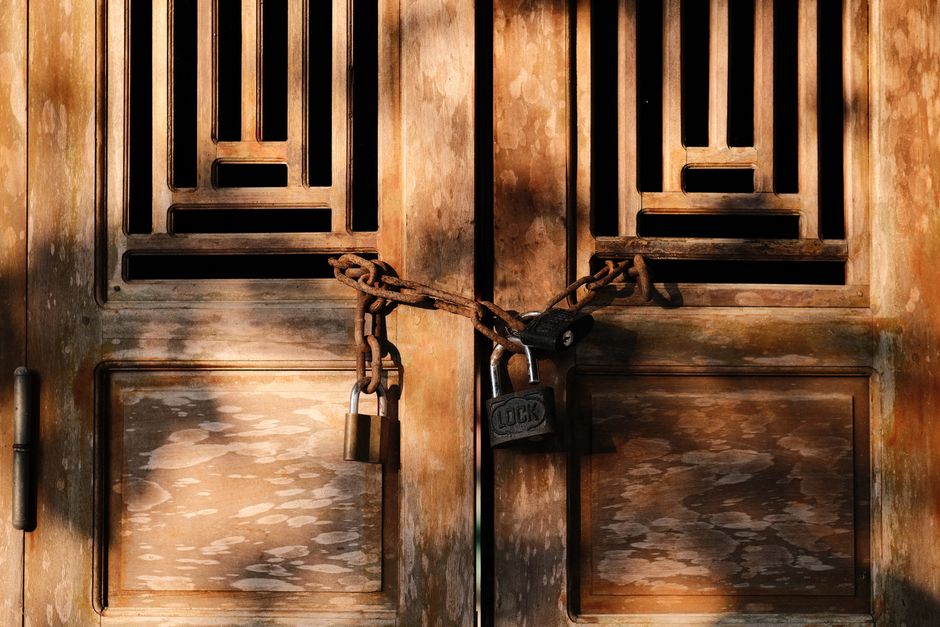
You hope you'll never need this, but it's worth planning. Identify a room in your home—ideally a bedroom or bathroom—where your family can lock themselves in if there's an emergency. It should have a sturdy door with a good lock, ideally a way to contact help, and a clear plan everyone knows.
This gives you a secure place to shelter if needed while emergency services respond. Don't overthink it—just pick a room and make sure the lock works.
Review Your Insurance and Plan Ahead
Security measures reduce risk, but insurance protects you if something happens anyway. Review your homeowners insurance annually to make sure your coverage reflects what you actually own and what you want to protect.
Some insurers offer discounts for homes with security systems or safes. Worth asking about. And if you're storing hazardous materials—paint, chemicals, medications—store them safely in a locked cabinet or designated area to protect both your family and anyone who enters your home.
Put It All Together
The strongest home security isn't fancy. It's consistent. Lock doors. Light up dark areas. Keep an eye on your surroundings. Monitor with cameras. Secure your valuables. Know your neighbors. Update your passwords. It's all simple, but together it works.
Start with what matters most to you. If you have guns, prioritize a quality safe. If you have valuable jewelry, invest in a hidden safe. If your property has blind spots, add cameras and lighting. Then layer in the rest. The team at Safes and Security Solutions can help you choose the right cameras, safes, and systems for your specific situation. Free shipping on orders across the continental U.S. makes it easy to get started.
People Also Ask
What is the most important home security measure? Solid locks on entry doors are the foundation. Most burglaries happen through unlocked or easily forced doors. From there, security cameras give you the ability to monitor and document what's happening on your property.
Do security cameras actually prevent crime? Yes. Visible cameras make your home a less attractive target. Criminals prefer easy, unobserved opportunities. Cameras signal that you're paying attention, and surveillance footage helps police identify and prosecute offenders.
How much does a home security system cost? Professional systems range from a few hundred to several thousand dollars depending on the number of cameras, features, and whether you want professional monitoring. Many homeowners start with a basic setup and expand over time.
Should I get a home safe? If you have items worth protecting—firearms, jewelry, cash, or important documents—a home safe makes sense. Even renters benefit from a portable safe for valuables. A quality safe typically costs $300 to $2,000 depending on size and security features.
Learn More About Securing Your Home
Building a security plan doesn't have to be complicated. Start with what you need most: whether that's a quality safe for firearms and valuables, a professional camera system for monitoring, or both. Safes and Security Solutions specializes in helping homeowners choose the right combination of physical safes and surveillance systems to match their needs. Browse their full selection of security camera systems, home safes, gun safes, and specialty safes designed for everything from jewelry to pharmacy items. Free shipping makes it easy to get what you need delivered to your door.
Need this done at home?
Get a Free Estimate →