

What Is a Safe? Complete Security Guide
You want to protect what matters most—your firearms, jewelry, important documents, medications, or cash. But before you invest in security, you need to understand what a safe actually is and how it works for your specific situation.
A safe is a secure, locked container designed to protect valuable items from theft, fire, environmental damage, or unauthorized access. It's the foundation of any layered security strategy, and when paired with monitoring systems, it creates the kind of quiet protection that lets you live without constant worry.
In this article
What Is a Safe? The Core Definition
At its most basic, a safe is a reinforced cabinet or box with a locking mechanism. What separates a quality safe from a regular cabinet is engineering: thick steel walls, a sophisticated locking system (typically electronic or mechanical), and fire-resistant materials that protect contents even during extreme heat exposure.
The best safes combine multiple layers of defense. That means heavy-gauge steel, pry-resistant doors, tamper-proof hinges, and locking mechanisms that resist drilling or manipulation. When you're securing firearms, legal documents, or prescription medications, those engineering details matter.
Think of it this way: a safe is a barrier between your valuables and anyone—or anything—that might threaten them. Whether that threat is a burglar, a house fire, or simply disorganized household access to dangerous items, the right safe neutralizes it.
Why a Safe Matters: What You're Really Buying
You're not just buying a box. You're buying peace of mind. You're buying the ability to sleep soundly knowing your family's most important assets are protected.
Research from the National Center for Victims of Crime shows that homes without visible security measures are targeted more frequently by burglars. A high-quality safe, especially when integrated with a broader security approach, changes that calculus. Criminals want easy targets. A secure safe signals that you've made your home harder to exploit.
Beyond theft prevention, safes protect against:
- Fire damage: Fire-resistant safes maintain interior temperatures well below the point where paper, photographs, or sensitive documents ignite, preserving what matters during the worst moments.
- Water and humidity: Environmental seals keep moisture out, protecting documents and electronics from rust and deterioration.
- Accidental access: If you have children in your home, a safe containing firearms or medications provides essential protection against tragedy.
- Liability: Storing prescription medications or firearms securely can protect you legally if someone is harmed by unauthorized access.
When you work with Safes and Security Solutions, you're partnering with specialists who understand these nuances and can recommend safes matched to your exact threat profile.
Need this done at home?
Get a Free Estimate →Types of Safes: Which One Fits Your Life
Not all safes serve the same purpose. Understanding the different types helps you invest wisely.
Gun Safes are engineered specifically for firearms storage. They're built to prevent unauthorized access while allowing quick retrieval for the authorized owner. A model like the Steelwater MAX794528 for 45 long guns combines serious capacity with fire-resistant protection, making it ideal for collectors or families with multiple firearms.
Home Safes are smaller, often wall-mounted or floor-standing units designed for jewelry, documents, cash, and heirlooms. The American Security In Wall Jewelry Safe exemplifies this type: discreet, space-efficient, and constructed to withstand forced entry attempts.
Fire-Resistant Filing Cabinets protect important papers and records without requiring full room space. They're perfect for small businesses, home offices, or anyone managing sensitive documents.
Pharmacy Safes are specialized units designed for medication storage in healthcare settings or pharmacies. Models like the Mesa Pharmacy Security Safe meet industry compliance standards while preventing unauthorized access to controlled substances.
Cash Management Safes serve businesses that handle currency, retail operations, or cash-intensive services. They're built for both security and efficient cash reconciliation.
How a Safe Integrates Into Your Security Layer
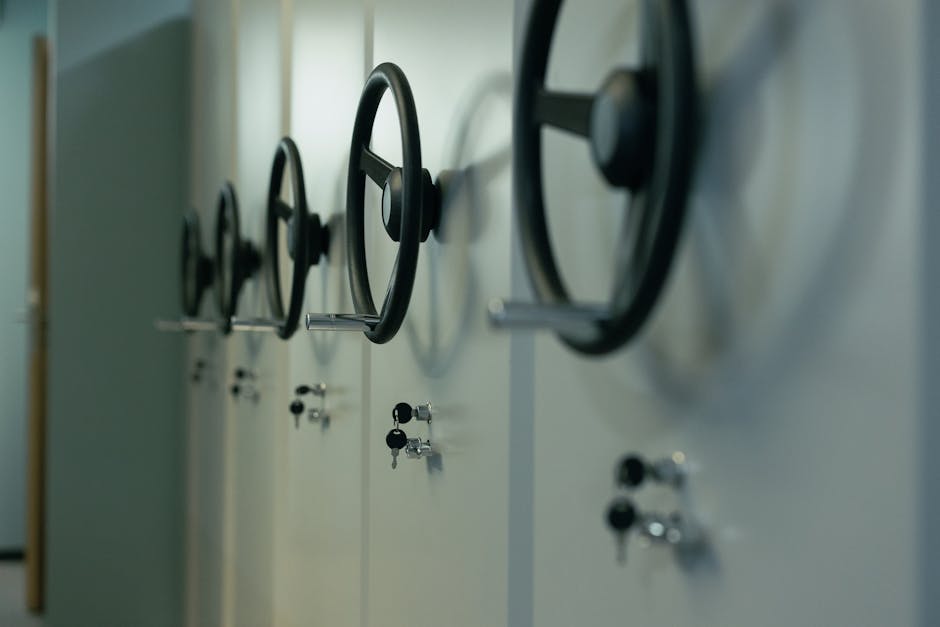
A safe alone is powerful. A safe paired with surveillance is a complete security ecosystem.
Related: Home Security Systems: Complete Guide for 2026
Related: Home Security Measures: A Complete Guide to Protecting Your Property
Related: Security Posture for Home & Garden: Complete Protection Guide
Related: How to Protect Your Home: Complete 2026 Security Guide
Imagine a burglar targeting your home. They see nothing of value visible from outside. They attempt entry and find a locked door—increasingly difficult without proper tools. They get inside and can't quickly locate or access your valuables because they're secured in a safe. Meanwhile, professional-grade security cameras have recorded their entire presence, providing law enforcement with clear evidence.
That's the difference between a safe as a standalone tool and a safe as part of comprehensive security. When you combine Safes and Security Solutions safes with their professional security camera systems, you're building what we call "quiet layers of protection." No alarms. No drama. Just competent, reliable security that works in the background.
Professional systems like the ANNKE H800 4K PoE Security System provide 24/7 monitoring, human and vehicle detection, and crystal-clear evidence capture. When paired with a properly secured safe, they transform your home or business into a protected environment that deters crime at multiple points.
What to Look For When Choosing a Safe
Not every safe is built to the same standard. Here's what separates premium safes from ordinary ones:
- Steel quality and thickness: Look for 10-gauge or thicker steel. This resists drilling and prying.
- Locking mechanism: Electronic locks offer convenience and audit trails. Mechanical locks are foolproof if power fails. Many premium safes offer both options.
- Fire rating: Measured by how long the interior stays below ignition temperatures during extreme heat. Ratings range from 30 minutes to 2+ hours.
- Mounting options: Can it be bolted to the floor or built into walls? Portability matters for some, permanence for others.
- Interior organization: Shelves, rifle racks, or door panels make the safe functional, not just protective.
- Warranty and support: Reputable manufacturers stand behind their products. Professional support should be readily available.
The experts at Safes and Security Solutions can walk you through these specifications over the phone, ensuring you invest in a safe that matches your exact needs rather than paying for features you'll never use.
Installation and Placement Matter
Even the best safe loses effectiveness if it's poorly placed or improperly installed. A safe bolted to your bedroom floor is more accessible but more visible. A wall-mounted safe in a closet is discrete but less accessible. A basement safe is hidden but subject to moisture.
The right placement depends on your lifestyle, your home's layout, and your specific security concerns. That's another reason working with knowledgeable advisors makes a difference. They've installed thousands of safes and understand what works in real homes.
What's the difference between a safe and a security cabinet?
A security cabinet typically has lighter gauge steel and simpler locks. It deters casual access but won't resist determined theft or fire exposure. A true safe has military-grade steel, advanced locking mechanisms, and fire-resistant materials. If you're protecting firearms, high-value items, or critical documents, invest in a safe, not a cabinet.
How much does a quality safe cost?
Quality safes range from $500 for smaller bedroom safes to $5,000+ for large gun safes or fire-resistant filing systems. Consider it an investment comparable to your home's security system or insurance deductible. The best safes pay for themselves through theft prevention and liability protection.
Do I need a safe if I have renters insurance?
Renters insurance covers losses, but it doesn't prevent tragedy or loss of irreplaceable items like family documents, heirlooms, or firearms needed for self-defense. Insurance reimburses money. A safe preserves what can't be replaced. Both matter, but only a safe eliminates risk in real time.
Can a safe be opened if I forget the combination?
Yes. Professional locksmiths and manufacturers can open safes without damage if you can prove ownership. Store your combination in a separate, secure location (a safe deposit box, for example). Never write it down in your home near the safe itself.
Need this done at home?
Get a Free Estimate →