

Types of Security Systems for Homes: Find Your Best Fit
You're thinking about upgrading your home security, but you're not sure where to start. The market is flooded with options, and the terminology alone can feel overwhelming. The good news? Once you understand the main types of security systems available, choosing the right one becomes much simpler.
The key is matching your situation to a system that fits how you actually live. Whether you're a hands-on homeowner, someone who prefers professional oversight, or you're somewhere in between, there's a security solution designed for your needs.
In this article
The Four Main Types of Security Systems
Home security systems fall into four primary categories, each with distinct advantages. Understanding these categories helps you narrow down what makes sense for your home.
Related: Best Security Systems Tulsa 2026: Top 5 Ranked
Related: Best Outdoor Security Systems 2026: Top 5 Ranked
Related: Best Farm Security Systems 2026: Top 5 Ranked
Wired security systems are the traditional backbone of professional installations. These systems use hardwired connections between sensors, cameras, and a central control panel. They're reliable, require no battery maintenance, and offer consistent power delivery. The trade-off? Installation is more involved and typically requires professional help. Wired systems are ideal if you're building or renovating, or if you want maximum stability without worrying about wireless signal interference.
Wireless security systems operate over Wi-Fi or cellular networks and offer flexibility. Sensors and cameras communicate wirelessly, making them easier to install yourself and simpler to relocate or expand. They're perfect if you rent, move frequently, or want to add cameras without running cables through walls. The consideration is battery management and ensuring adequate signal strength throughout your home.
DIY systems put you in control of installation and management. You purchase equipment, set it up yourself, and monitor alerts via smartphone apps. These systems appeal to budget-conscious homeowners and tech-savvy users who enjoy the hands-on approach. Expect to invest time in setup and ongoing management.
Professionally installed systems combine hardware with expert setup and often include professional monitoring services. A technician evaluates your home, recommends camera placement and sensor locations, and handles all installation. When an alarm triggers, trained professionals receive the alert and can contact authorities on your behalf. This approach requires a larger upfront investment but delivers peace of mind and faster emergency response.
Professional Monitoring vs. Self-Monitoring
Beyond the physical system type, you'll choose how your system responds when it detects a threat. This decision is equally important.
Professional monitoring means a 24/7 monitoring center receives alerts from your system and takes action. When motion is detected or an alarm triggers, trained operators verify the alert and contact emergency services if necessary. You get immediate, expert response even if you're unavailable. This service typically costs $15-40 per month but provides round-the-clock oversight you can trust.
Self-monitoring sends alerts directly to your smartphone. You verify what's happening via camera feeds and decide whether to call police or take other action. Self-monitoring is less expensive (often free with the system) and puts you in complete control, but it requires your presence and quick decision-making during emergencies. It works well for people who are usually home or can access real-time alerts.
Many homeowners find that Safes and Security Solutions offers professional-grade systems that support both approaches, giving you flexibility to start with self-monitoring and upgrade to professional monitoring later if your needs change.
Need this done at home?
Get a Free Estimate →Key Components Every System Should Have
Regardless of which type you choose, your system should include these essentials:
- Security cameras provide visual verification and recorded evidence. Modern systems offer night vision, motion detection, and two-way audio.
- Door and window sensors detect unauthorized entry points and are the fastest-responding element of any system.
- Motion sensors track movement inside or outside your home, triggering alerts and recording.
- Control panel or hub serves as the command center, communicating with all sensors and initiating responses.
- Siren or alarm audibly alerts you and deters intruders.
- Backup power (battery or cellular) ensures your system stays operational during outages.
Advanced systems also include hazard detection like smoke and carbon monoxide sensors, environmental monitoring for water damage, and smart integration with lighting or locks.
Choosing Based on Your Lifestyle
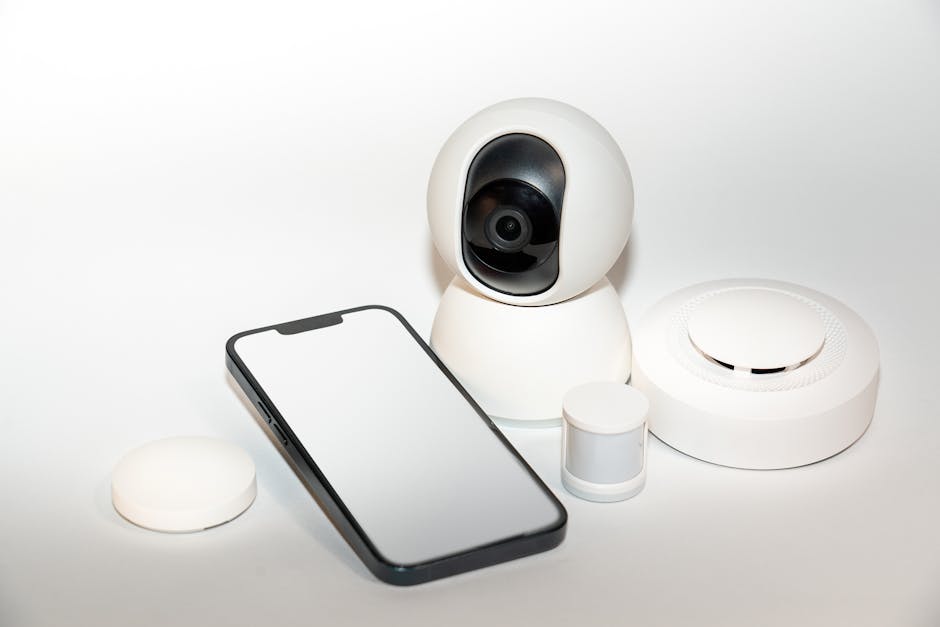
The best system for you depends on how you live.
If you're often away: Professional monitoring makes sense. You need trained experts watching while you're at work or traveling. Wired systems with professional installation ensure full coverage and eliminate gaps in reliability.
If you're home most of the time: Self-monitoring with a wireless system offers flexibility and lower cost. You can respond instantly to alerts and adjust coverage as needed.
If you move frequently or rent: Wireless, DIY systems let you install cameras without landlord permission and take everything with you when you leave.
If you prioritize professional-grade reliability: Look at wired systems with professional installation and 24/7 monitoring. You get expert design, installation expertise, and always-on oversight. Safes and Security Solutions specializes in these comprehensive setups that deliver the strongest protection.
Important Factors to Evaluate Before Buying
Before committing to any system, evaluate these practical considerations:
- Coverage area: How many cameras do you need? What entry points must be monitored? Don't underestimate square footage.
- Installation complexity: Are you comfortable running cable and configuring networks, or do you need professional help?
- Ongoing costs: Factor in monitoring fees, battery replacements, cloud storage, and system upgrades.
- Contract terms: Some professional systems lock you into multi-year agreements. Understand cancellation policies.
- Integration: Does the system work with your smartphone, smart home devices, or existing security equipment?
- Local requirements: Some municipalities require licensed installation or specific system types. Check local codes.
Research from authoritative sources like the Cybersecurity and Infrastructure Security Agency (CISA) emphasizes the importance of choosing systems with strong encryption and regular firmware updates to protect against cyber threats alongside physical security.
Making the Final Decision
Start by listing your specific concerns: break-ins, package theft, wildlife monitoring, or hazard detection. Then match those concerns to system capabilities.
Compare at least a few options across different system types. Look beyond price to contract terms, customer support, and expandability. The cheapest option often becomes expensive when it doesn't integrate with your lifestyle or needs upgrades within a year.
If you're serious about layered protection that actually works, professional systems with expert installation and monitoring offer the highest confidence level. The team at Safes and Security Solutions can guide you through this decision with expert support and access to professional-grade equipment designed for real-world performance.
Free shipping across the continental U.S. removes one barrier to getting started. You can also call their team directly to discuss your specific situation and get a personalized recommendation before you buy.
FAQ

What's the difference between wired and wireless security systems?
Wired systems use physical cables to connect cameras, sensors, and panels, offering maximum reliability and consistent power. Wireless systems communicate over Wi-Fi or cellular networks, making them easier to install and relocate but requiring battery maintenance and good signal strength. Wired systems typically require professional installation, while wireless systems work for DIY setup.
Is professional monitoring worth the monthly cost?
Professional monitoring costs $15-40 monthly but provides 24/7 expert oversight and faster emergency response. If you're frequently away from home, work long hours, or want guaranteed police dispatch on alarm triggers, the cost is usually justified. If you're home most of the time and can respond quickly to alerts, self-monitoring may be sufficient.
Can I install a security system myself?
Yes, wireless and DIY systems are designed for self-installation. However, professional installation ensures optimal camera placement, proper sensor coverage, and correct system configuration. If you value expert guidance and want to avoid installation mistakes, professional installation is worth considering.
How many cameras do I actually need?
It depends on your home's size, layout, and entry points. A basic rule is to cover all exterior doors, windows, and perimeter areas plus any interior spaces with valuables. Most homes need 4-8 cameras for adequate coverage, but larger properties or those with multiple outbuildings may need 12 or more. Discuss your specific layout with a security professional for accurate recommendations.
Need this done at home?
Get a Free Estimate →