

Gun Safe Handgun Storage: Your Complete Guide

The right gun safe handgun storage setup keeps your firearms secure while giving you quick access when you need it. Whether you're a first-time gun owner or upgrading your current system, knowing how to store handguns properly makes all the difference in protecting your family and preventing accidents.
In this article
- Why Gun Safe Handgun Storage Matters
- Best Methods for Storing Your Handgun
- Separate Storage for Ammunition
- Organization Features That Work
- Finding Your Ideal Storage Setup
- Best Practices for Daily Use
- Compliance and Legal Considerations
- When to Upgrade Your Storage
- Common Questions About Gun Safe Handgun Storage
Why Gun Safe Handgun Storage Matters
Storing handguns securely isn't just about theft prevention. It's about creating layers of protection that work quietly in the background of your daily life.
Related: Best Gun Safe Handgun Racks 2026: Top 5 Ranked
Unintentional firearm injuries happen more often than you'd think. When handguns are left accessible, kids, guests, or family members in crisis can access them without permission. A locked, properly stored handgun eliminates that risk entirely.
Related: Pharmacy Safe Cabinet Requirements: A Complete Guide
Related: Best Home Security Safe Comparison Guide for 2026
The CDC and injury prevention organizations emphasize that secure firearm storage is one of the most effective ways to prevent accidental injuries and deaths. That's not fear-mongering—it's just the data.
Related: Secure Storage for Firearms and Ammunition: A Complete Guide
Best Methods for Storing Your Handgun
There's no single "right" way to store a handgun. Your setup depends on your home layout, family situation, and how quickly you need access. The good news: Safes and Security Solutions carries multiple storage solutions that balance security with accessibility.
Need this done at home?
Get a Free Estimate →Gun Safes: Maximum Security
A dedicated gun safe is the gold standard for handgun storage. These locked containers keep firearms out of reach and protected from theft, fire, and moisture.
Look for safes with solid steel construction, a secure locking mechanism, and enough interior space for your needs. Compact handgun safes fit on nightstands, in closets, or under beds. Larger models can hold multiple firearms, ammunition, and valuables all in one place.
Biometric Locks: Fast Access When You Need It
Biometric safes use fingerprint recognition to unlock in seconds. You press your finger, the safe opens, and you have your handgun. Only your fingerprints work—nobody else, no matter how hard they try.
This is ideal if you have young kids at home and want home defense access. Biometric technology has improved dramatically over the past few years, and modern systems are genuinely reliable.
Simplex and Mechanical Locks: No Batteries Required
Some people prefer mechanical locks that don't need batteries or electronics. Simplex push-button locks let you punch in a code to open the safe. You can open it quickly if you know the combination, but an outsider can't.
The advantage: total reliability. Batteries die, electronics fail, but a good mechanical lock works forever. The trade-off: slightly slower access than biometric.
Trigger Locks and Cable Locks: Budget-Friendly Options
If a full safe isn't realistic right now, trigger locks and cable locks add a layer of security. A trigger lock prevents the gun from firing, and a cable lock runs through the chamber to prevent the gun from being loaded or fired.
These aren't replacements for a safe, but they're better than nothing if your handgun is stored in a bedroom drawer or closet.
Separate Storage for Ammunition
Here's the rule: ammunition lives somewhere different from your firearm.
Store ammo in a locked container, a separate safe, or a dedicated ammunition storage box. Keep it cool, dry, and away from kids and unauthorized users. Many handgun owners keep ammo in a second small safe across the house or in a locked drawer in a different room.
This separation adds time between someone finding the gun and finding bullets. It's another layer of protection.
Organization Features That Work
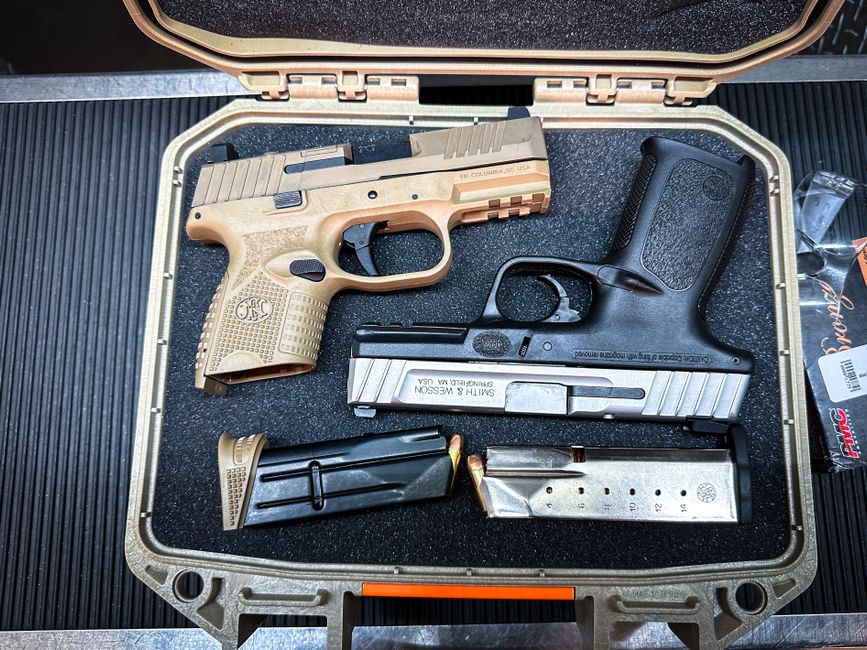
Modern gun safes do more than just lock. They help you stay organized.
- Adjustable shelves let you customize space for multiple handguns, documents, or valuables
- Foam padding protects your firearms from scratches and keeps everything in place
- Interior lighting helps you see what you need in low light
- Bolt-down anchors secure the safe to your floor or wall, preventing theft
If you already own a safe and want more space, retrofit options let you add shelving or organizers without replacing the whole unit.
Finding Your Ideal Storage Setup
The best handgun storage is the one you'll actually use every single time. If a safe is too inconvenient, you'll skip it. If it takes 30 seconds to access your home defense gun, that might be too slow for your situation.
Think about:
- How many handguns you own or plan to own
- Whether you have kids or frequent visitors at home
- How quickly you need to access your handgun
- Your budget
- Where the safe will physically go in your home
When you're ready to invest in proper storage, Safes and Security Solutions has expert guidance available by phone. They'll ask the right questions and help you match a safe to your actual needs—not to marketing hype.
Best Practices for Daily Use
Storage only works if you practice good habits.
- Store your handgun unloaded
- Lock the safe every single time, no exceptions
- Keep your key, code, or fingerprint access secure
- Check the lock regularly to make sure it works
- Never leave the safe open or unlocked, even for "just a moment"
- Tell a trusted family member where the backup key is stored (but never write the code down in an obvious place)
These habits feel simple, but they're the difference between a safe that actually protects your family and one that becomes a drawer you forget to lock.
Compliance and Legal Considerations

Some states and municipalities have specific laws about gun storage. A few require secure storage by law, especially if you have minors in the home. Check your local regulations to make sure your setup complies.
Even where it's not required by law, safe storage is a best practice that protects you legally. If someone unauthorized uses your firearm and causes harm, a locked safe shows you took reasonable steps to prevent it.
When to Upgrade Your Storage
Your handgun storage needs change over time. If you're buying your second or third gun, a larger safe makes sense. If your kids are now teenagers, a biometric lock might replace a cable lock. If you're moving to a new home, that's a good time to reassess everything.
There's no shame in upgrading. Security isn't a one-time purchase—it's something you build on as your life evolves. Browse what's available at Safes and Security Solutions whenever you're ready to level up, and their team can walk you through the differences between models.
Common Questions About Gun Safe Handgun Storage
How quickly can I access my handgun from a safe?
Biometric safes open in 1-2 seconds. Simplex mechanical locks take about 3-5 seconds if you're familiar with the code. Keyed safes take longer. For home defense, 2-5 seconds is generally acceptable. Choose based on your comfort level.
Can I store multiple handguns in one safe?
Yes. Most compact handgun safes hold 2-4 firearms. Larger models hold 6 or more, plus ammunition and documents. Measure your guns and check the interior dimensions before buying to make sure everything fits.
What's the difference between a gun safe and a gun lock box?
A gun safe is a solid steel container, often heavier and more durable. A lock box is typically lighter and more portable. For permanent home storage, a safe offers better protection against theft, fire, and moisture. Lock boxes work well for temporary storage or travel.
Should I tell my kids where the safe is?
Absolutely not. Kids don't need to know the code, the location, or that the safe exists. Keep it private. In an emergency where you need to communicate the code to another adult, do it privately and in person—never text or email a code.
Need this done at home?
Get a Free Estimate →