

Best Commercial Safe for Cash Handling in 2026

If you're handling cash regularly—whether you run a retail shop, restaurant, or small office—you know the stress that comes with it. Cash is a target. It's also a headache to count, reconcile, and transport to the bank. The good news? The right commercial safe for cash handling cuts that friction dramatically, protects your assets, and gives you the kind of peace of mind that actually lets you focus on running your business.
The best commercial safes do more than just lock up money. They reduce internal theft, minimize cash handling errors, and give you real-time visibility into what's in your vault. Let's walk through what you actually need to consider and which solutions deliver the most bang for your investment.
In this article
- Why a Commercial Safe for Cash Handling Matters More Than You Think
- Key Features That Make a Commercial Safe Actually Effective
- Depository Safes vs. Standard Commercial Safes: Which One Fits Your Business?
- Smart Safes and Real-Time Cash Visibility
- Installation, Maintenance, and Professional Support
- Cost Considerations and Return on Investment
- How to Choose the Right Safe for Your Specific Needs
- Getting Started With Your Commercial Safe Investment
Why a Commercial Safe for Cash Handling Matters More Than You Think
Cash theft happens more often than most business owners want to admit. According to industry data, internal theft accounts for a significant portion of cash loss in retail and hospitality environments. A secure drop-slot safe is the single most effective tool for cutting that risk.
Related: Pharmacy Safe Cabinet Requirements: A Complete Guide
Related: Gun Safe Handgun Storage: Your Complete Guide
Related: Best Home Security Safe Comparison Guide for 2026
Here's the real benefit: when you have a dedicated commercial safe with a secure depository slot, employees can't access the cash directly. They drop it in. It stays locked. Only authorized personnel with the combination or key can retrieve it. That simple separation eliminates temptation and creates accountability.
Beyond theft prevention, a quality commercial safe streamlines your entire cash workflow. No more counting cash in the back office. No more making frequent trips to the bank with a bag of cash. No more reconciliation nightmares at month-end. Safesandsecuritysolutions specializes in cash management solutions that simplify this process for small and mid-sized businesses.
Related: Best Small Business Cash Management Safe for 2026
Key Features That Make a Commercial Safe Actually Effective
Not all safes are created equal. When you're shopping for a commercial safe for cash handling, look for these non-negotiable features:
- Digital Keypad or Combination Lock: Precision-engineered locks are far more reliable than simple key locks. They resist tampering and withstand years of daily use. Digital keypads add convenience and allow you to change codes without calling a locksmith.
- Anti-Fishing Drop Slot: This prevents someone from reaching in with a wire or tool to fish out bills after they've been deposited. It's a small feature with outsized importance.
- Heavy-Gauge Steel Construction: The thicker the walls, the harder it is to break in. Look for safes with at least 12-gauge steel or thicker.
- Bolt-Down Capability: Your safe should be anchored to the floor or wall. This prevents smash-and-grab thieves from simply carrying it away.
- Real-Time Reporting (Smart Safes): If you handle significant cash volume, smart safes that count bills, detect counterfeits, and log deposits offer tremendous operational insight and reduce human error.
The combination of these features creates layered protection. No single feature is a silver bullet, but together they make theft or loss far less likely.
Depository Safes vs. Standard Commercial Safes: Which One Fits Your Business?
You have two main categories to choose from, and the right choice depends on your cash volume and workflow.
Depository Safes with Drop Slots are ideal if you want to separate cash handling from cash storage. Employees deposit cash into a secure slot multiple times per day. Only authorized managers open the main vault to count and reconcile. This is gold for reducing internal theft and creating clear audit trails.
Standard Commercial Safes with digital locks work well if you need a smaller footprint, fewer daily deposits, or a combination safe that stores cash alongside other valuables like jewelry, documents, or medications. These are versatile and often less expensive than full-size depository units.
Think about your volume: if you're processing $5,000+ in cash daily, a depository safe with smart counting capability is worth the investment. If you're handling $500-$1,500 per day, a quality mid-size commercial safe meets your needs just fine.
Need this done at home?
Get a Free Estimate →Smart Safes and Real-Time Cash Visibility
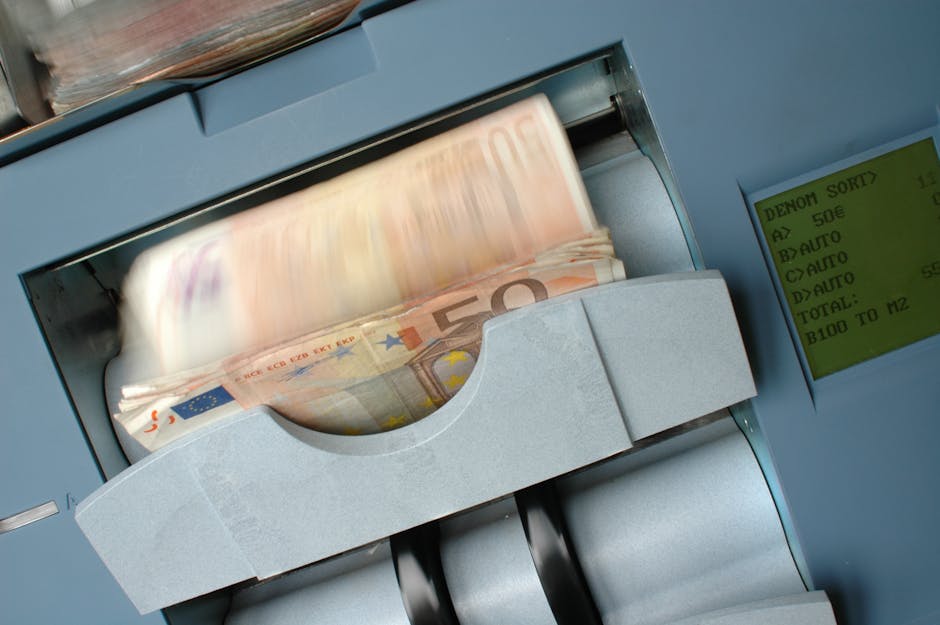
Smart safes represent the next evolution in cash management. These units count bills as they're deposited, flag counterfeits, and send real-time data to your phone or accounting system.
Here's the operational upside: you eliminate time spent counting cash manually. You reduce bank deposit errors. You catch discrepancies instantly instead of discovering them during month-end reconciliation. You also create a tamper-proof record of every deposit, which protects both your business and your employees.
According to financial management resources, businesses that implement automated cash handling systems report 15-20% reductions in cash losses and errors. That savings alone often covers the cost of the safe within 12-24 months.
Smart safes do require professional installation by armored carriers, but that's a one-time setup. Most can only be opened by authorized armored carriers, which adds another layer of security to your deposits.
Installation, Maintenance, and Professional Support
Once you've chosen the right commercial safe for cash handling, proper installation is critical. Your safe needs to be bolted down securely, positioned away from windows or exterior walls, and integrated into your daily procedures.
For smart safes, armored carriers handle installation and can train your staff on proper use. For standard depository or commercial safes, you'll want a professional locksmith or the manufacturer to oversee placement.
Maintenance is minimal but important. Keep the keypad and slot clean. Test the lock and hinges regularly. If you're using a digital keypad, replace batteries before they die (most have low-battery warnings). Change your combination code at least quarterly and whenever an employee with access leaves your business.
Safesandsecuritysolutions provides expert guidance on setup, training, and ongoing maintenance. If you're unsure whether your safe is integrated correctly into your security system, expert consultation is worth the investment.
Cost Considerations and Return on Investment
Commercial safes range from $800 for a mid-size depository unit to $5,000+ for a smart safe with armored carrier integration. That sounds like a lot, but consider what you're protecting.
If just one employee steals $200 per week, that's $10,400 per year. A single cash handling error that costs you $500 during reconciliation is money lost. A smart safe pays for itself in months by preventing these losses and streamlining operations.
Beyond direct loss prevention, safes reduce insurance premiums for retail and hospitality businesses. Many policies offer 10-15% discounts when you implement approved cash storage solutions. That discount alone cuts your total cost of ownership significantly.
Related: Best Gun Safe Storage Solutions 2026: Top 5 Ranked
Related: Best Gun Safe Handgun Racks 2026: Top 5 Ranked
How to Choose the Right Safe for Your Specific Needs

Start by answering these questions:
- How much cash do you handle daily?
- How many employees need access to the safe?
- Do you need a depository slot or a standard vault?
- Is real-time reporting and automated counting worth the extra cost to you?
- Where will the safe be installed (front office, back room, secure area)?
- Does your insurance policy require certain features or certifications?
Once you've answered those questions, you're ready to evaluate specific models. Look for safes with solid construction, reliable locks, and positive reviews from businesses like yours. Test the keypad or combination dial yourself before purchasing. Make sure the size and weight work for your space.
Most importantly, buy from a trusted provider who can advise you on installation and integrate the safe into your security system as a whole. A safe is only part of the picture—it works best when paired with smart procedures, access controls, and accountability measures.
Getting Started With Your Commercial Safe Investment
The peace of mind that comes from knowing your cash is protected is hard to quantify, but it's real. You sleep better. Your managers feel more confident. Your employees understand that theft isn't an option.
Whether you're upgrading from no safe at all or replacing an outdated unit, Safesandsecuritysolutions can help you find the right commercial safe for cash handling that fits your budget and workflow. The team specializes in matching small and mid-sized businesses with solutions that actually work in real-world conditions.
Start by assessing your current cash handling process. Identify the pain points (Is theft a concern? Are errors too common? Are bank runs taking up too much time?). Then match those pain points to a safe solution. A quality commercial safe is one of the smartest investments you can make in your business security.
What size commercial safe do I need for daily cash handling?
Size depends on your daily volume and how often you empty the safe. If you deposit cash daily, a mid-size safe (15-25 cubic feet) is usually sufficient. If you deposit weekly, you may need a larger unit. Most retail and hospitality businesses do well with safes in the 18-30 cubic foot range. Your provider can help you right-size based on your specific volume.
Can a commercial safe be installed in a home office or small retail space?
Yes. Depository safes and mid-size commercial safes are designed for small spaces. They bolt down to the floor and can fit in a back office, closet, or secure room. Just make sure your floor can support the weight (most commercial safes weigh 300-800 pounds) and that installation doesn't compromise your space.
How often should I change the combination on my commercial safe?
Change the combination every 90 days at minimum, and immediately whenever someone with access leaves your business. If your safe has a digital keypad, you can change the code in seconds without calling a locksmith. If it's a dial combination, plan to have a locksmith update it once or twice a year as part of routine maintenance.
Is a smart safe worth the investment for a small business?
Smart safes are worth it if you handle $5,000+ in cash daily, spend significant time counting and reconciling, or have experienced internal theft or errors. For smaller cash volumes, a quality standard depository safe with anti-fishing features and a digital lock delivers most of the benefit at a lower cost. Evaluate based on your pain points and budget.
Need this done at home?
Get a Free Estimate →