

Cash Management Safe for Retail: Security & Efficiency Guide
In this article
- What Is a Cash Management Safe for Retail Businesses?
- Why Your Retail Business Needs a Cash Management Safe
- Key Benefits of Using a Cash Management Safe
- How to Choose the Right Cash Management Safe for Your Retail Space
- Setting Up a Cash Management System That Works
- Cash Management Safes vs. General Home or Business Safes
- Security Certifications That Matter
- Integration with Your Retail Operations
- Common Mistakes Retail Owners Make with Cash Safes
- Cash Management Safes for Different Retail Types
- People Also Ask
What Is a Cash Management Safe for Retail Businesses?
A cash management safe is a secure storage solution designed specifically to hold daily cash, receipts, and other valuables in a retail environment. Unlike a standard home safe, these systems are built to integrate into your business workflow, letting you store cash securely while controlling who accesses it and when.
The main job of a cash management safe is simple: keep your money protected from theft and make your daily cash handling faster and more accurate. Many modern systems go beyond just storage—they count money, verify denominations, and connect to your retail management system so you always know exactly what you have on hand.
Related: Pharmacy Safe Compliance & Storage Requirements Guide
Why Your Retail Business Needs a Cash Management Safe
Cash sitting out on a counter or in a drawer is a target. The more money you keep visible during a shift, the more you're putting your employees at risk and inviting trouble.
Related: Best Small Business Cash Management Safe for 2026
A dedicated safe changes that. It limits how much cash your team needs to handle at any given moment, which keeps everyone safer and reduces stress. Your staff isn't walking around with hundreds of dollars—they're depositing it into a secure system instead.
You also get accuracy that manual counting can't match. When your safe automatically counts and verifies every deposit, errors drop dramatically. No more discrepancies between what the register says and what's actually in the drawer. That peace of mind is worth the investment alone.
Key Benefits of Using a Cash Management Safe
Beyond basic security, here's what makes these safes so valuable for retail operations:
- Controlled Access. Set permissions so only specific employees can open the safe at certain times. You maintain complete oversight of who touches your money.
- Reduced Theft Risk. Limiting physical access to large amounts of cash significantly lowers the chance of internal or external theft.
- Employee Safety. Your team doesn't have to manage large sums—they deposit and move on. That protects them both mentally and physically.
- Faster Operations. Automated counting eliminates hours of manual labor each week. Your closing process becomes quicker and cleaner.
- Better Record-Keeping. Modern systems log every transaction and deposit, giving you a clear audit trail for accounting and compliance.
- Integration Capability. Connect your safe to your point-of-sale system for seamless cash flow tracking across your business.
How to Choose the Right Cash Management Safe for Your Retail Space
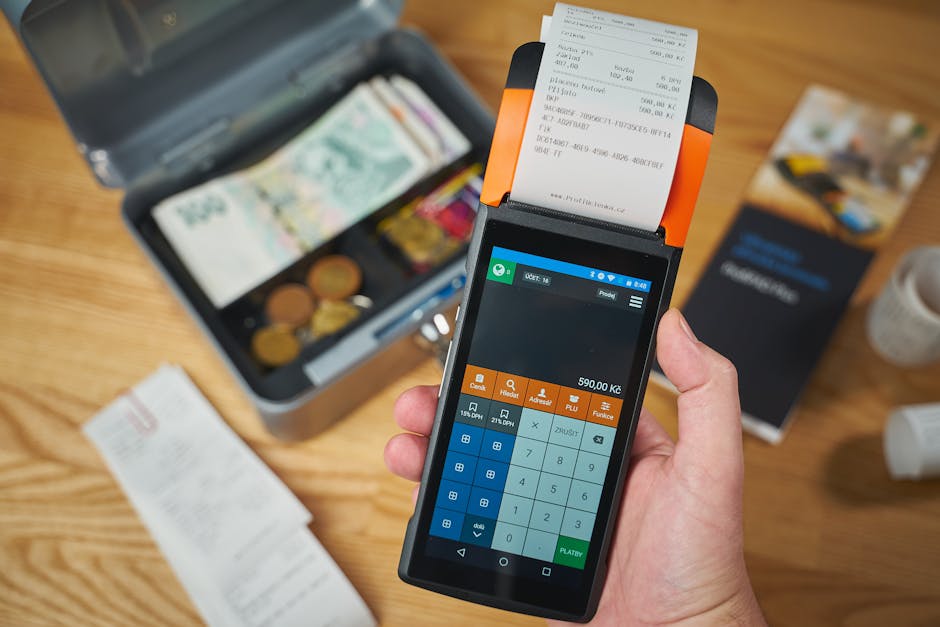
Not all safes are created equal, and retail businesses have different needs depending on their size, cash volume, and layout.
Start with your daily cash volume. Calculate how much cash you typically have on hand during peak hours, then size your safe accordingly.
Look for certification and security standards. A quality safe should meet recognized security ratings so you know it actually protects your money. Don't buy based on appearance alone—verify the security features.
Consider your floor plan. Where will the safe sit? Under the counter? In a back office? Accessible to managers but out of customer view? The location affects what style works best for you.
Think about automation level. Do you want a basic lock-and-key model, or would an automated counting system save you time and reduce errors? If you're processing hundreds of transactions daily, automation pays for itself.
Check integration options. Can it connect to your existing retail management software? Can managers access reports remotely? Modern systems that integrate with your business tech make life easier.
When you're ready to explore options that fit your retail business, Safes and Security Solutions can guide you through the details and help you match the right safe to your operation.
Need this done at home?
Get a Free Estimate →Related: Best Home Security Safe Comparison Guide for 2026
Setting Up a Cash Management System That Works
Choosing the safe is only half the battle. You also need solid processes around how it gets used.
Establish clear deposit procedures. Train your team on exactly how often deposits happen, who can make them, and what gets logged. Consistency prevents mistakes and keeps everyone accountable.
Limit access deliberately. Not every employee needs to open the safe. Usually, only managers and the owner should have access. That simplicity reduces risk and makes audits easier.
Set regular count schedules. Whether it's hourly, at shift end, or nightly, establish a rhythm for when the safe gets opened and verified. Regular counting catches discrepancies fast.
Use the audit trail. Most modern safes log who accessed them and when. Review these logs regularly to spot patterns or potential issues.
Combine with other security. A safe works best as part of a layered approach. Pair it with security cameras covering your sales floor and cash handling areas so you have visual documentation of transactions too.
Cash Management Safes vs. General Home or Business Safes
You might wonder: why not just use a regular safe? Here's the difference.
A standard home safe is designed to protect valuables from burglary and fire. It sits in one place and gets accessed occasionally. A cash management safe is built for daily, repeated use in a business setting. It's engineered to handle multiple deposits throughout the day, provide quick access for authorized staff, and integrate with your retail systems.
Cash management safes also prioritize workflow efficiency in ways general safes don't. They're positioned for fast deposits, they often have multiple access points, and many include automated features like counting and verification. For a retail business, that's a completely different animal than a bedroom safe meant to hold documents and jewelry.
Security Certifications That Matter
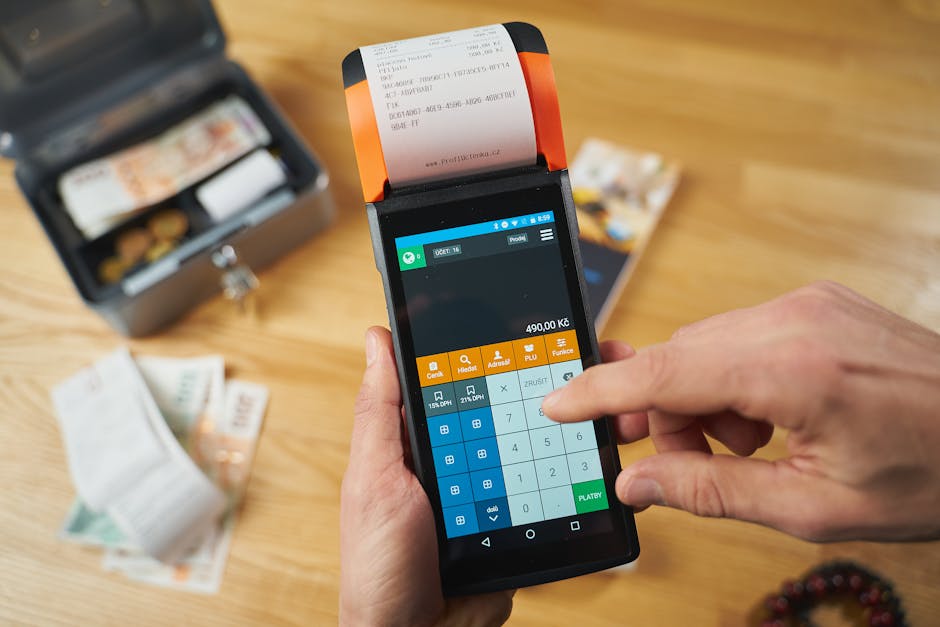
When you're evaluating a cash management safe, look for these marks of quality:
- UL Ratings. Underwriters Laboratories certifies safes for burglary and fire protection at different levels. Higher UL ratings mean stronger security.
- TL (Tool Resistant) Ratings. These indicate how long a safe resists attacks using common tools. TL-15 and TL-30 are common benchmarks in retail.
- Retail Security Standards. Some safes meet specific standards developed for retail environments, ensuring they're tested for real-world retail use.
Don't skip this step. A certified safe gives you proof that the product actually delivers on its security promises, and your insurance company will likely require certification anyway.
Integration with Your Retail Operations
The best cash management safes don't work in isolation. They plug directly into your business.
Modern systems can connect to your POS system, your accounting software, and your security monitoring setup. That means when a deposit goes into the safe, it automatically updates your records. If a discrepancy shows up, you know immediately instead of discovering it at month-end.
Remote monitoring is another game-changer. Managers can check safe status, access logs, and deposit history from anywhere—even when they're not at the store. For multi-location businesses, that visibility across all your stores is invaluable.
When you're ready to evaluate how a modern cash management system can streamline your retail operations, Safes and Security Solutions specializes in helping retail business owners find solutions that fit their specific workflow.
Common Mistakes Retail Owners Make with Cash Safes
Choosing a safe that's too small. You pick one based on today's cash volume, then your business grows and you outgrow it. Size for future growth, not just current needs.
Not setting access controls. A safe is useless if everyone has the combination. Limit access, change codes when staff leaves, and track who uses it.
Skipping the training. Your team needs to know how to use the safe, what gets logged, and why procedures matter. A system works only if people follow it.
Ignoring the audit log. Many owners buy a safe with automated reporting, then never look at the data. Review logs regularly—they catch theft and irregularities fast.
Forgetting insurance implications. Some insurance policies require safes to meet certain certifications to cover cash. Know your policy before you buy.
Cash Management Safes for Different Retail Types
Different retail businesses have different cash flow patterns.
Quick-Service Retail (Boutiques, Bookstores, Gift Shops). You need a compact, sleek safe that doesn't dominate your back office. Access is moderate, and counts happen daily. Security is high, but volume is manageable.
High-Volume Retail (Grocery, Pharmacy, Big Box). You're handling serious money and rapid turnover. You need automated systems that process deposits without slowing checkout. Access control is critical because multiple shifts use it daily.
Food Service (Restaurants, Cafes). Cash is moving constantly. You need a safe that integrates with your POS, supports frequent deposits across multiple cashiers, and gives managers visibility into cash flow throughout the day.
The safe that works for a bookstore won't work for a restaurant. Know your business pattern before you choose.
People Also Ask
How much does a cash management safe cost?
Prices vary widely based on size, security level, automation features, and brand. A basic retail safe might be one price point, while a fully automated system with counting and integration features is another. The best way to know what fits your budget and needs is to talk to Safes and Security Solutions about your specific requirements—they can help you understand what features matter most and what the investment looks like.
Can a cash management safe prevent employee theft?
It reduces opportunity significantly. When only managers can access the safe and every deposit gets logged and counted automatically, employees know they can't take money without being caught. That deterrent effect is powerful. Combined with security cameras, a safe makes internal theft much riskier and easier to detect.
Do I need a cash management safe if I mainly use digital payments?
Even businesses that are mostly digital still handle some cash—tips, emergency transactions, change floats. A smaller safe that holds overnight receipts and backup cash makes sense. It's not about storing huge amounts anymore, but about securing what cash you do handle.
How often should I service or maintain a cash management safe?
Basic safes need minimal maintenance—just keep the lock and hinges clean and lubricated. If you have an automated counting system, follow the manufacturer's maintenance schedule. Most systems last for years with minimal service if you don't misuse them. Check your specific safe's manual for recommendations.
Need this done at home?
Get a Free Estimate →