

Safe Storage of Ammunition: Secure & Compliant
You already know that responsible firearm ownership means thinking beyond just the gun itself. Ammunition storage is where many gun owners slip up, treating it as an afterthought. But safe storage of ammunition is just as critical as securing the firearm—it's the foundation of liability protection, family safety, and legal compliance.
The good news: proper ammunition storage is straightforward, affordable, and fits seamlessly into your existing security routine. Whether you're a seasoned shooter or a first-time gun owner, this guide walks you through exactly what works and why.
Related: Best Safe for Garden Tools & Equipment Storage
Related: Secure Storage for Firearms and Ammunition: A Complete Guide
In this article
- Why Separate, Locked Ammunition Storage Matters
- Best Practices for Safe Ammunition Storage
- What Type of Container Works Best
- Creating Your Ammunition Storage Routine
- Moisture Control and Long-Term Preservation
- Integrating Ammunition Storage into Your Home Security Plan
- FAQ: Ammunition Storage Questions Answered
Why Separate, Locked Ammunition Storage Matters
Here's the reality: storing ammunition in the same location as a firearm, or worse, leaving it unsecured, significantly increases the risk of unauthorized access. Children, visitors, or intruders all pose different threats. Locked ammunition storage creates a critical second layer of protection.
Related: Best Furniture Hidden Gun Safe for Secure Home Storage
According to research from the RAND Corporation, secure storage practices—including separate locking of ammunition—reduce firearm injury risk in homes, particularly when children are present. This isn't just theory; it's documented public health evidence.
From a legal standpoint, many states and municipalities now require ammunition to be stored separately from firearms in locked containers. Even in areas without explicit mandates, storing ammunition securely protects you from liability claims if unauthorized use occurs on your property. Safes and Security Solutions helps homeowners understand that layered security—locked firearm plus locked ammunition—is no longer optional; it's the standard responsible owners follow.
Need this done at home?
Get a Free Estimate →Best Practices for Safe Ammunition Storage
Store ammunition indoors only. Never keep ammunition in sheds, garages, attics, or any uncontrolled environment. Temperature swings and humidity degrade ammunition over time, making it unreliable and potentially unsafe to use. Indoor storage in climate-controlled spaces preserves ammunition integrity.
Use sealed, moisture-resistant containers. Even if your ammunition is in a locked box, moisture is its enemy. Sealed ammunition cans with gaskets or specialized ammo storage boxes prevent rust and corrosion. This extends shelf life and ensures reliability when you need it.
Keep ammunition separate from firearms. This is non-negotiable. If someone gains access to your firearm, they shouldn't automatically have access to ammunition. Separation forces them to find both—adding time and friction to any unauthorized access attempt.
Lock the ammunition container. A padlock, combination lock, or keyed lock is sufficient. The barrier doesn't need to be military-grade; it just needs to prevent casual or impulsive access. Most ammunition boxes accept standard padlocks on their hasp.
Store keys and combinations securely. If you use a keyed lock, keep the key separate from the ammunition container and firearm safe. If you use a combination lock, never write the combination near the container. Treat ammunition storage credentials like you'd treat your home security codes.
What Type of Container Works Best
You have several solid options depending on your situation and ammunition volume:
- Ammunition-specific lock boxes: Metal boxes designed specifically for ammunition storage, often with foam inserts and gaskets for moisture control. These typically hold 100-500 rounds and fit inside a larger safe or closet.
- Sealed ammo cans: Military-spec steel cans with rubber gaskets. They're affordable, durable, and stackable. Add a padlock to the hasp for access control.
- Small firearm safes: A compact safe dedicated to ammunition. Overkill for some, but perfect if you have significant quantities or multiple calibers to organize.
- Combination of safe and container: Store your main ammunition in a sealed ammo can inside a larger gun safe. This maximizes protection and organization.
The key is that your chosen container must be lockable, moisture-resistant, and accessible only to authorized users. For those serious about comprehensive home security, Safes and Security Solutions offers guidance on integrating ammunition storage with your full firearms security strategy.
Creating Your Ammunition Storage Routine
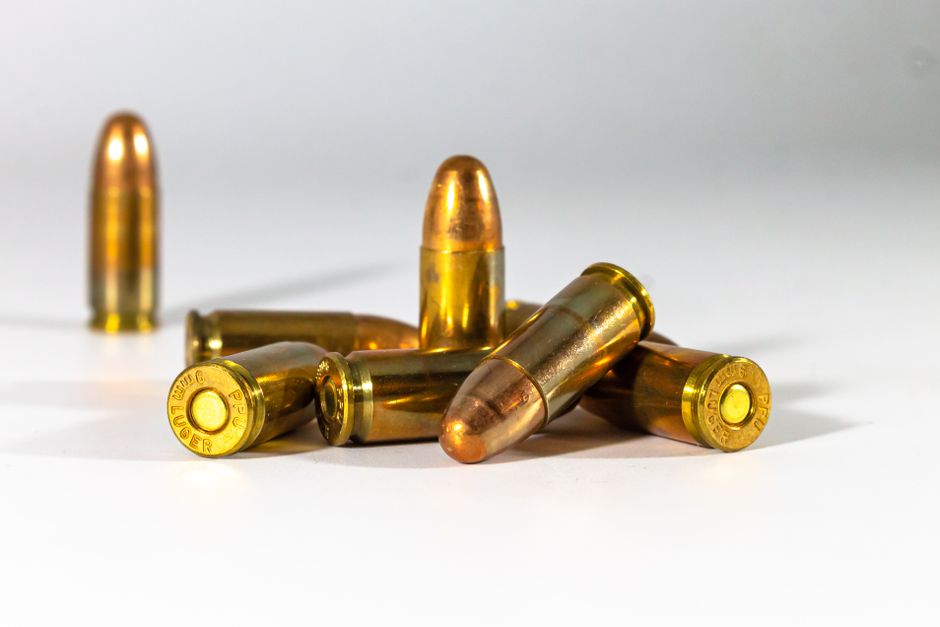
Safe storage only works if you actually use it consistently. Build these habits:
- Establish one primary ammunition location. Don't scatter ammunition throughout your home. One secure location makes it easier to maintain security protocols and track inventory.
- Always return ammunition to the locked container immediately after use. Don't leave boxes sitting on workbenches or ranges overnight. This is where accidents happen.
- Do a quarterly audit. Check that your container is secure, the lock functions properly, and moisture hasn't accumulated inside. Replace desiccant packets if using them.
- Communicate expectations to household members. Everyone in your home should understand that ammunition storage is off-limits without explicit permission from you.
These routines transform ammunition storage from a one-time setup into a sustainable security practice.
Moisture Control and Long-Term Preservation
Ammunition is resilient, but humidity accelerates deterioration. Here's how to protect your investment:
- Use silica gel packets or desiccant canisters inside your ammo container. Replace them annually or when they show color change indicating saturation.
- Store containers in climate-controlled areas—not basements prone to humidity spikes or attics with temperature extremes.
- If storing ammunition for extended periods (over a year), check containers every 6 months for any signs of corrosion or moisture ingress.
- Label containers with ammunition type, caliber, and date of storage. This helps with rotation and prevents using old stock first.
Proper moisture management means your ammunition stays reliable for years, not months.
Integrating Ammunition Storage into Your Home Security Plan
Ammunition storage shouldn't exist in isolation. It's part of your broader security ecosystem. Here's how the layers work together:
- Locked firearms in a safe: Firearm safes are your first line of defense.
- Locked ammunition in a separate secure location: Your second layer.
- Limited key/combination access: Only authorized users hold credentials.
- Surveillance and monitoring: Security cameras and alarm systems deter and document unauthorized access attempts.
Think of it as concentric rings of protection. An intruder or unauthorized person has to defeat multiple barriers, each buying time and increasing the likelihood of detection. This multi-layer approach is what professional security advisors recommend, and it's what Safes and Security Solutions specializes in helping homeowners implement without complexity.
FAQ: Ammunition Storage Questions Answered
Can I store ammunition and firearms in the same safe?
Technically yes, but it's not ideal. Storing them in the same safe is less secure than separate storage because accessing one means accessing both. Best practice is a locked firearm safe plus a separate locked ammunition container. If space is truly limited, at least keep ammunition in a sealed, locked box inside the firearm safe to add friction to access.
How long can I store ammunition safely?
Properly stored ammunition (locked, indoors, moisture-controlled, sealed containers) can remain reliable for 10+ years. The limiting factor isn't the ammunition itself but external conditions. If your storage setup maintains dry, stable temperatures, ammunition remains viable far longer than most shooters will wait to use it. Rotate stock using the oldest ammunition first.
Do I need to store different calibers separately?
Not for safety reasons. Different calibers can share the same sealed container as long as each type is clearly labeled and organized. Separate containers actually help with organization and prevent mix-ups when loading. Use dividers or smaller boxes inside your main ammo container to keep calibers distinct.
What's the best location in my home for ammunition storage?
Choose a cool, dry, interior space: a bedroom closet, office safe, or dedicated gun room. Avoid basements (humidity), attics (temperature swings), or exterior walls. Keep it away from high-traffic areas where kids or visitors might accidentally discover it. If possible, store ammunition in a locked safe inside your home's interior rather than in an outbuilding.
Need this done at home?
Get a Free Estimate →