

How to Protect Home Security: 5 Essential Layers
In this article
- How to Protect Home Security: A Practical Approach
- Layer 1: Lock Down Your Entry Points
- Layer 2: Install Security Cameras for 24/7 Monitoring
- Layer 3: Add Motion-Activated Lighting
- Layer 4: Smart Entry Sensors and Alerts
- Layer 5: Secure Your Home's Digital Side
- Bringing It All Together
- People Also Ask
How to Protect Home Security: A Practical Approach
The best way to protect home security isn't a single gadget or alarm system. It's building layers of defense that work together. Think of it like this: a locked door is good, but a locked door with a camera watching it is better. Add smart monitoring and proper lighting, and you've got real peace of mind.
Most homeowners skip this layered approach and end up with gaps in their protection. You might have a great camera system but weak entry points. Or solid locks but no way to monitor what's happening when you're away. Here's how to build a complete security plan that actually works.
Related: Safe and Sound Security: Complete Home Protection
Related: Safe Strategy for Home Security: What Works & What Doesn't
Related: Safe Security: 7 Essential Home Protection Layers
Layer 1: Lock Down Your Entry Points
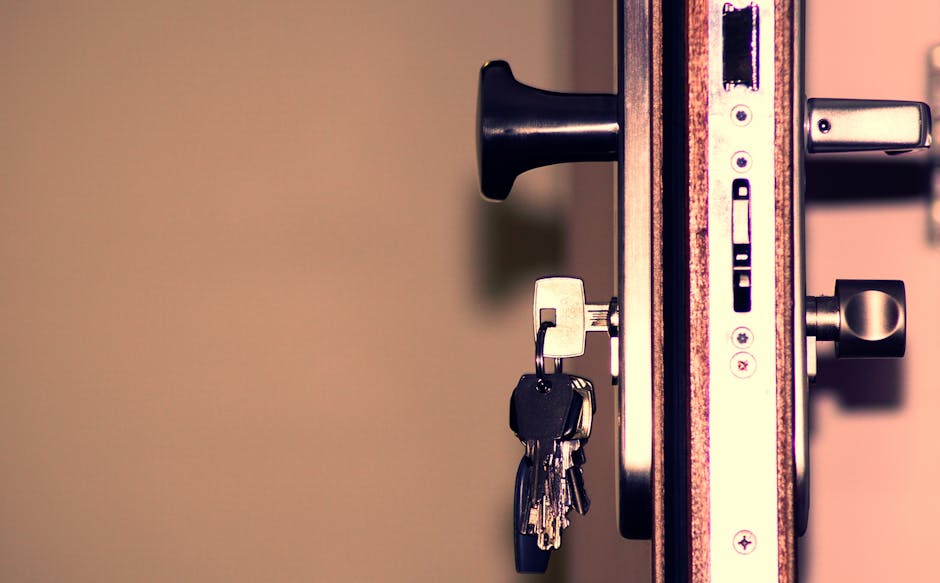
Start with the basics. Every door and window needs a deadbolt lock. Not the cheap push-button kind—actual deadbolts. Front doors, back doors, garage entries, basement windows. If someone can open it from outside, it needs a deadbolt.
This is non-negotiable. A good deadbolt makes forced entry much harder and slower. That extra time is often enough to deter someone looking for an easy target.
Reinforce your door frames too. A standard frame can splinter if someone throws their shoulder into it. Add a reinforced strike plate and longer screws into the frame studs. These upgrades cost under $50 and make a huge difference.
Layer 2: Install Security Cameras for 24/7 Monitoring
Cameras are your eyes when you're not home. A professional security camera system covers entry points, driveways, and backyards so you see exactly what's happening.
Look for systems with night vision so you get clear footage even in the dark. Many modern systems like those available through Safes and Security Solutions include smart integrations—you can view live feeds from your phone, get alerts when motion is detected, and even save recordings.
Need this done at home?
Get a Free Estimate →The key is coverage. You want cameras pointed at doors, windows, and anywhere someone could approach your home. Don't just rely on one camera in the front. A complete system covers multiple angles and creates accountability—if something happens, you have evidence.
Layer 3: Add Motion-Activated Lighting
Most burglaries happen in darkness. Motion-activated lights around your home eliminate hiding spots and make anyone approaching feel exposed.
Install them at all entry points: front porch, back patio, side yard, driveway. When motion triggers the lights, potential intruders know they've been detected. Combined with cameras, this becomes a powerful deterrent.
Smart lights work even better because you can schedule them, control them remotely, and integrate them with your security system. Some systems can trigger lights when a sensor detects movement, giving you an automated response.
Layer 4: Smart Entry Sensors and Alerts
A smart security hub with wireless battery backup keeps your system running even during power outages. These systems use wireless sensors on doors and windows that alert you instantly when they open.
When you're away, the system detects an open door or window and sends you a notification immediately. You get alerts to your phone in real-time, so you know what's happening even if you're across town.
Battery backup matters. If the power goes out, your sensors keep working. This prevents a gap in protection during outages—which is exactly when some people try break-ins.
Layer 5: Secure Your Home's Digital Side
Your security system is only as strong as your Wi-Fi. A weak network password or unsecured connection could let someone disable your system remotely or access your cameras.
Change your Wi-Fi password to something strong—12+ characters with numbers, letters, and symbols. Update your router firmware regularly. If your cameras or smart locks have app access, use a unique, strong password for that account too.
Smart keypads are convenient, but make sure yours uses encrypted connections and two-factor authentication if available. Basically, treat your security system like you'd treat your bank account—don't use "password123."
Bringing It All Together
You don't have to install everything tomorrow. Start with deadbolts and cameras, then add sensors and lighting as your budget allows. Each layer adds protection.
The goal is making your home a harder target than your neighbor's. Burglars look for quick, easy opportunities. When they see cameras, motion lights, and reinforced entry points, they usually move on to an easier house.
Professional security camera systems from Safes and Security Solutions give you that professional-grade monitoring without needing to hire an expensive security company. You get the technology, the coverage, and the peace of mind that comes from knowing your home is protected.
People Also Ask
What's the most important layer of home security?
Strong locks on doors and windows. Everything else builds on this foundation. If someone can easily force their way in, cameras and sensors won't help.
Do I really need cameras if I have an alarm system?
Yes. An alarm alerts you to a break-in, but cameras show you exactly what happened and who did it. Insurance companies and police prefer video evidence. Cameras also deter crime before it happens.
How much does a complete home security setup cost?
It depends on your home's size and your priorities. Deadbolts and basic sensors might run $200-500. A professional camera system and smart monitoring can range from $1,000-3,000+. You can start small and expand.
Can I install security cameras myself?
Many modern systems are designed for DIY installation. Wired systems require some basic electrical work. Safes and Security Solutions offers systems with clear installation guides and expert phone support if you get stuck.
What should I do if my security system detects a break-in?
First, get yourself to safety. Leave the house if you can do so safely. Then call 911 and let them know you have an active alarm. Don't confront the intruder. Your system is there to alert authorities, not to stop someone in the moment.
Learn more about professional security camera systems and how they integrate with your home setup by visiting Safes and Security Solutions. Their team can help you build a layered protection plan tailored to your home.
Need this done at home?
Get a Free Estimate →