

Gun Closet Storage: Safe Setup & Organization Guide

A gun closet isn't just a bedroom corner where you toss a rifle. It's a dedicated space designed to keep your firearms secure, organized, and away from unauthorized hands. Whether you're converting an unused closet or building a new storage area, the right setup protects your investment and keeps your family safe.
In this article
What Exactly Is a Gun Closet?
A gun closet is a purpose-built storage space, usually inside your home, that houses firearms in a locked safe or vault. It's different from a gun room because it's compact and fits into existing spaces like bedrooms, hallways, or garages.
The beauty of a gun closet is flexibility. You can install it in an unused bedroom closet, convert a pantry, or dedicate a corner of your garage. The key is choosing a location that's hidden, accessible only to authorized people, and protected by a secure locking mechanism.
When you're serious about firearm security, a proper gun closet becomes the foundation of responsible gun ownership. Safes and Security Solutions specializes in helping homeowners design storage solutions that fit their space and their needs.
Why Your Gun Closet Needs a Quality Safe
A closet door lock alone isn't enough. You need a dedicated gun safe inside the closet to prevent theft, keep guns away from children, and protect against accidental discharge.
Here's the reality: a standard closet can be forced open in seconds. A quality gun safe adds layers of protection. It keeps firearms locked, ammunition stored separately, and everything organized in one place.
The best gun safes for closets are compact enough to fit the space but sturdy enough to resist prying and drilling. Models in the 20-40 gun capacity range work well for most homeowners without taking over the entire closet.
Choosing the Right Safe for Your Gun Closet
Size matters first. Most gun closets work best with safes that hold 8-12 guns comfortably. Here's the trick: manufacturers often overstate capacity. A safe rated for 20 guns will realistically hold about 10 without overcrowding.
Think about what else you're storing. Handguns? Long rifles? Shotguns? A vertical safe works for rifles, while a horizontal model suits mixed collections.
Next, consider fire protection. Fire-rated safes add weight and cost, but they protect against house fires. If your home is at higher risk or you're storing expensive firearms, it's worth the investment.
The locking mechanism matters too. Biometric safes open with your fingerprint, dial combinations offer reliability without electronics, and electronic keypads give you flexibility. Choose what works for your lifestyle and skill level.
When you're evaluating options, Safes and Security Solutions offers expert guidance. Call their team to discuss your specific space, gun collection, and budget. They'll match you with a safe that actually fits your closet and your needs.
Need this done at home?
Get a Free Estimate →Setting Up Your Gun Closet Layout
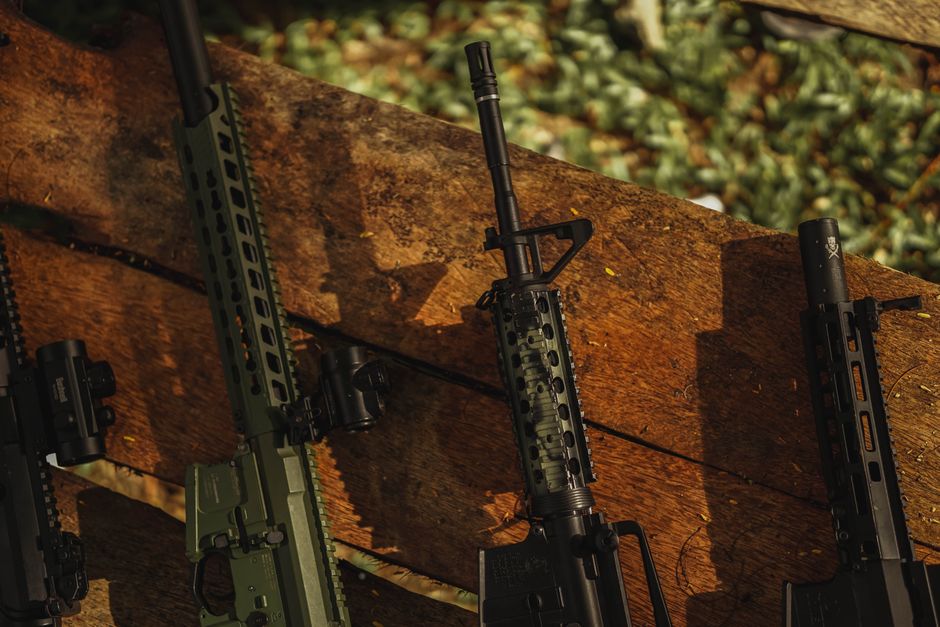
Installation is straightforward but important. Mount your safe to the floor or wall to prevent tipping or theft. Concrete floors work great, but you can bolt through flooring into joists.
Keep ammunition separate from firearms. Many gun closets use shelving above or beside the safe for locked ammo storage. Separation reduces fire risk and keeps things organized.
Good lighting helps you see what you're grabbing without fumbling. Add a small LED light inside or near the closet. Motion sensors are overkill for a home closet, but a simple battery-powered light is practical.
Organization systems make a difference. Use foam inserts, gun racks, or padded shelves to prevent dings and make each firearm easy to locate. You want to know exactly what you have and where it is.
Safety Essentials for Gun Closet Storage
Child safety is non-negotiable. Firearms must be unloaded and locked. Ammunition locked separately and stored out of reach. According to CDC guidance on firearm safety, proper storage prevents accidental injuries and reduces access during moments of crisis.
Only authorized adults should know the combination or have access to keys. If you have teenagers, decide whether they get access based on maturity and training, not age alone.
Check your safe's battery or mechanism regularly. Electronic safes need battery replacements every few years. Dial combinations should be tested monthly to confirm they open smoothly.
Document your firearms for insurance purposes. Photographs, serial numbers, and replacement costs create a record if theft occurs.
Customization Options for Your Space
Custom vault doors are an option if you're serious about a dedicated gun room or closet. Brands like Browning offer specialized vault doors that blend security with appearance. These upgrade a basic closet into something more substantial.
Some homeowners install hidden gun closets behind false walls or panels. This adds an extra layer of concealment, though it's more complex and expensive.
If you're building new or renovating, now's the time to plan electrical access for a biometric safe or interior lighting. Running wiring after drywall goes up is costly.
For most homeowners, a quality fire-rated safe mounted inside an existing closet is the sweet spot of security, cost, and convenience. Safes and Security Solutions can walk you through customization options that match your home's layout and your security priorities.
Common Mistakes to Avoid

Don't buy a safe that's too large for your closet. You want room to open the door fully and access your firearms without contorting yourself.
Don't skip anchoring. A safe sitting loose on the floor can be stolen or tipped over. Bolt it down every time.
Don't store ammunition in the same locked space as firearms. They should be separate, with ammunition in its own locked container.
Don't use your closet safe as a catch-all storage. Stick to firearms, ammunition, and related items. Other valuables dilute security and make your closet a target.
Don't ignore maintenance. Test your safe quarterly, check batteries, and clean the locking mechanism. A safe that doesn't open reliably isn't safe at all.
Getting Professional Help
You don't need to figure this out alone. Security experts understand gun closet design and can assess your home for the best location, safe size, and installation method.
Professional installation ensures your safe is mounted correctly and can't be easily removed. It also guarantees that bolt placement doesn't damage structural elements.
If you're uncertain about any aspect, call a specialist. The investment in expert guidance costs far less than replacing stolen firearms or dealing with a security breach.
What size safe do I need for a gun closet?
Most gun closets work well with 8-20 gun capacity safes. Remember that manufacturers overstate capacity. A 20-gun safe typically holds about 10 guns comfortably without overcrowding. Measure your closet first, then choose a safe that leaves at least 6 inches of clearance on all sides so you can open the door fully and access firearms easily.
Can I store ammunition in the same safe as my firearms?
No. Store ammunition locked in a separate container, preferably on a different shelf or in a different part of your closet. This separation reduces fire risk, prevents unauthorized access to ammunition, and is recommended by most security and safety experts. Keep ammunition in a cool, dry place away from extreme temperatures.
How do I hide a gun closet?
Location is your first strategy. Choose a closet that's not the master bedroom and doesn't draw attention. You can also install a false wall panel, bookshelf, or cabinet door to conceal the safe entrance. A locked closet door plus a hidden safe inside provides two layers of security. Avoid obvious spots like bedside tables or obvious wall panels that look intentionally decorative.
Do I need a fire-rated safe for a gun closet?
It depends on your situation. If your firearms are valuable, if you live in an area prone to wildfires, or if you want maximum protection, a fire-rated safe is worth the cost. If you're storing common firearms in a low-risk area, a standard security safe offers adequate protection at a lower price. Discuss your home's fire risk and your gun collection's value with a security specialist to decide.
Need this done at home?
Get a Free Estimate →