

Top Benefits of Dual-Lock Safes for Home and Business
TL;DR:
- Dual-lock safes use two independent locking mechanisms to prevent unauthorized access and increase security. They facilitate layered organization, improve efficiency, and enforce two-party authorization, especially in business environments. Choosing the right safe depends on specific needs, environment, and proper maintenance ensures continued reliability.
Dual-lock safes are defined as secure storage units that require two independent locking mechanisms, each disengaged separately, before the safe opens. This design delivers the top benefits of dual-lock safes in one core principle: no single person, action, or failure can compromise access. Common lock combinations include mechanical dial plus digital keypad, biometric sensor plus dial, and dual mechanical dials. Safes and Security Solutions stocks a broad range of these configurations for both residential and commercial buyers. The result is a level of protection that single-lock safes simply cannot match.
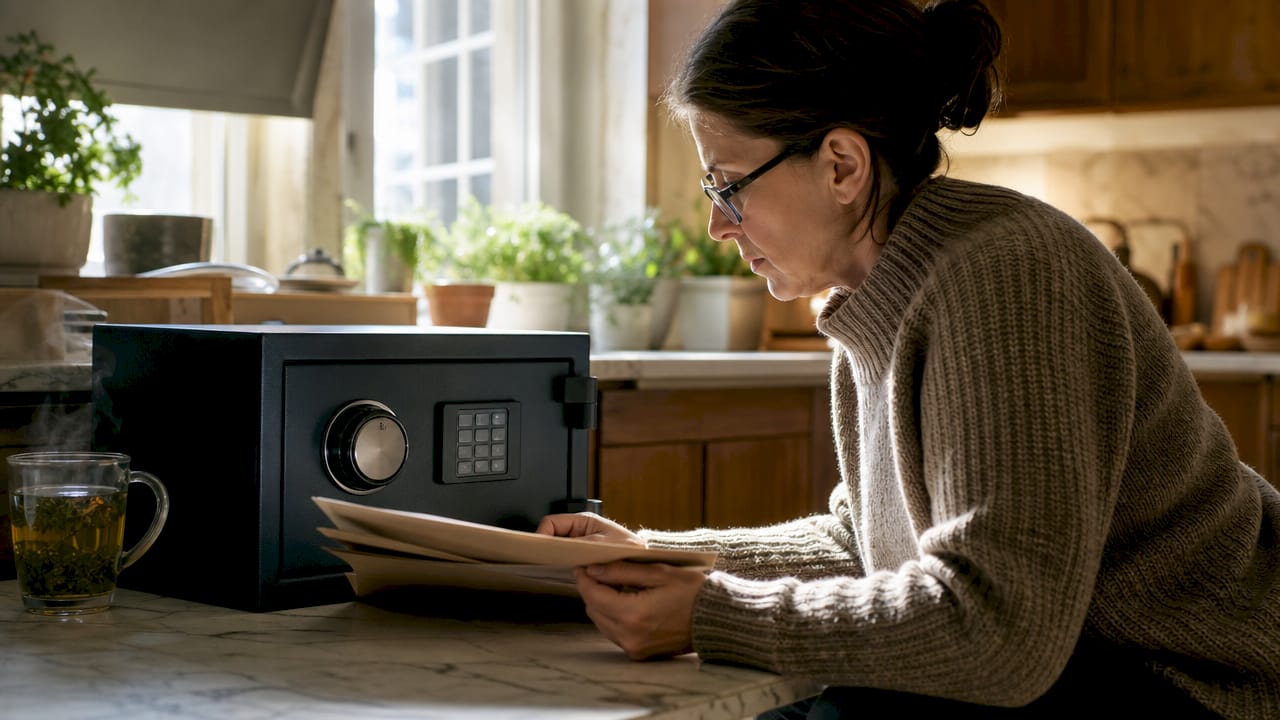
1. What are the top benefits of dual-lock safes for security?
Dual-lock safes require two separate unlocking actions before the door opens. That requirement alone eliminates the most common attack vector against single-lock safes: defeating one mechanism and gaining full access.
True dual locking systems prevent unauthorized access by forcing two separate actions for unlocking, often combining dial, keypad, or biometric entry. Each mechanism operates independently, so compromising one leaves the second fully intact.
The security advantage goes deeper than just two locks. Each independent lock mechanism pairs with its own hard-plate shielding and spring-loaded re-lockers. That effectively doubles the internal re-locker count, making forced entry dramatically harder for any attacker.
Contrast this with redundant locking systems, which look similar but behave very differently. In a redundant system, a single lock can be opened by either method, meaning one successful attack opens the safe. A true dual-lock system requires both mechanisms opened separately, every time.
Pro Tip: For business environments, assign each lock to a different employee. Neither person can open the safe alone, which creates a built-in procedural control without any additional software or hardware.
2. How dual-lock safes enhance organizational efficiency
Organizational efficiency is one of the most underrated advantages of dual-lock safes. The physical separation of two independent compartments lets you sort valuables by access level, risk, or urgency without needing a second safe.
Dual-locking compartments allow users to separate emergency documents from recreational equipment, improving retrieval speed and reducing damage from item misplacement. A homeowner might keep a firearm in the lower secured compartment and insurance documents in the upper one, each behind its own lock.
For families, this layered structure creates staged access. Adults hold credentials for both compartments while older children may access only the lower-security section. That structure works equally well in small businesses where different staff roles require different access levels.
Dual-lock safes consolidate multiple safe functions into one unit, making them ideal for apartments or small offices with limited floor space. One well-chosen safe replaces two or three single-purpose units.
Protecting legal documents safely becomes far simpler when you can dedicate one compartment entirely to paperwork, sealed behind a separate lock from your other valuables.
3. Common dual-lock safe features and locking method combinations
The most widely used dual-lock configurations fall into three categories: dual mechanical dial, dial plus digital keypad, and biometric plus keypad. Each combination offers a different balance of speed, reliability, and security depth.
| Lock combination | Speed of access | Reliability under stress | Best use case |
|---|---|---|---|
| Dual mechanical dial | Slow | Very high | Long-term vault storage |
| Dial plus digital keypad | Moderate | High | Home or small business |
| Biometric plus keypad | Fast | High | Home defense, rapid access |
| Dual digital keypad | Fast | Moderate | Office cash management |
Biometric sensors provide fast entry, but keypads serve as reliable backups under challenging conditions such as moisture or dirt on the fingertip. That pairing covers the weakness of each method individually.
Beyond the lock types, quality dual-lock safes include time-delay settings, multiple user codes, and anti-tamper lockout modes. Time delay forces a waiting period after correct code entry, defeating smash-and-grab attacks where a thief coerces a code under pressure.
Combining biometric and keypad entry reduces the risk of lockout in emergency situations and improves usability across varied conditions. Security professionals recommend this pairing for home users who need both speed and dependability.
Understanding the difference between a biometric safe vs keypad safe helps buyers choose the right combination before purchase rather than discovering limitations after installation.
Pro Tip: Always confirm that your chosen dual-lock safe includes a failsafe mechanical dial or key override. Digital components can fail during power outages or battery drain, and a mechanical backup keeps you from being locked out of your own safe.
4. Why businesses choose dual-lock safes for compliance and access control
Two-party authorization, known in security practice as TPA, is the procedural requirement that two separate individuals must authorize an action before it proceeds. Dual-lock safes enforce TPA physically, requiring two different people to open separate locks, which enforces segregation of duties and reduces insider theft risks.
This matters enormously in cash management, sensitive document custody, and controlled-substance storage. A single employee cannot unilaterally access the safe, which removes the opportunity for theft and creates a natural audit checkpoint every time the safe opens.
“True dual locking systems are superior to redundant systems because they enforce physical and procedural separation. In high-security environments, that distinction is critical.” — Tony Darling, security industry analyst
Regulatory frameworks in banking, healthcare, and retail increasingly require documented access controls for physical assets. A dual-lock safe provides a hardware-level control that satisfies auditors without requiring complex software systems.
The insider threat reduction is significant. Most workplace theft involves employees with legitimate access to a single-lock safe. Requiring two keyholders eliminates the solo-access window that makes opportunistic theft possible.
5. Practical considerations for selecting the right dual-lock safe
Choosing the right dual-lock safe starts with an honest assessment of your security needs versus your convenience tolerance. A business handling daily cash deposits needs fast keypad access. A homeowner storing long-term documents and a firearm may prioritize a mechanical dial for its zero-battery-dependency reliability.
Key factors to evaluate before buying:
- Use environment. High-humidity areas like garages stress electronic components. Mechanical dials perform better in those conditions.
- Number of authorized users. More users mean more codes to manage. Confirm the safe supports enough user profiles before purchase.
- Internal compartment layout. Measure what you plan to store. A safe that fits your floor space but not your long guns or binders is the wrong safe.
- Installation constraints. Wall safes and floor safes have different anchoring requirements. Confirm your wall studs or floor substrate can support the unit’s weight.
- Budget for the full setup. Factor in professional installation, anchoring hardware, and any user training time for staff.
Maintenance is a point most buyers skip entirely. Electronic keypads need battery checks every 6–12 months. Mechanical dials benefit from annual inspection by a certified locksmith. Skipping maintenance is the most common reason a dual-lock safe fails at the worst possible moment.
Responsible firearm storage experts consistently recommend dual-lock configurations for gun owners who need both quick access and strong deterrence against unauthorized use by household members.
Pro Tip: Before finalizing your purchase, consult a security professional who can assess your physical space, threat profile, and daily access patterns. A five-minute consultation often prevents a costly mismatch between safe and situation.
6. How dual-lock safes support firearm and high-value asset storage
Firearm storage presents a specific challenge: the safe must be fast enough for emergency access but secure enough to prevent unauthorized use. Dual-lock configurations address both requirements simultaneously.
A biometric plus keypad combination lets an authorized adult open the safe quickly in an emergency while ensuring a child or intruder cannot access it without both credentials. Gun safes with dual-locking compartments let owners store firearms in one secured section and ammunition or accessories in a separate compartment behind a different lock.
The purpose of gun safes extends beyond theft prevention to include child safety, legal compliance, and liability protection. A dual-lock safe satisfies all three requirements more completely than a single-lock alternative.
High-value assets like jewelry, rare coins, or bearer bonds benefit from the same layered approach. Separating items by value or access frequency reduces the number of times the highest-security compartment is opened, which limits exposure and wear on the lock mechanism.
Key Takeaways
Dual-lock safes deliver superior security, organizational control, and compliance capability by requiring two independent locking mechanisms that no single person or attack can bypass alone.
| Point | Details |
|---|---|
| Two independent locks required | Both mechanisms must be disengaged separately, eliminating single-point access failure. |
| Internal re-lockers doubled | Each lock adds its own hard-plate and re-lockers, significantly increasing forced-entry resistance. |
| Organizational compartments | Separate sections let users sort valuables by access level, reducing retrieval time and risk. |
| Two-party authorization enforced | Businesses use dual locks to require two keyholders, preventing unilateral insider access. |
| Lock combination matters | Biometric plus keypad pairs speed with reliability; always include a mechanical failsafe backup. |
The security gap most buyers never think about
At Safes and Security Solutions, we see the same mistake repeatedly. Buyers focus entirely on the outer lock and ignore everything happening inside the safe body. The internal re-locker count is the detail that separates a safe that slows an attacker down from one that stops them entirely.
Single-lock safes, even expensive ones, give an attacker one target. Defeat the lock, and the re-lockers are the last line of defense. In a true dual-lock system, each lock brings its own set of re-lockers. An attacker who defeats one mechanism still faces a fully armed second system. That is not a marginal improvement. It is a structural change in how the safe resists attack.
The organizational benefits also get underestimated. We have worked with small business owners who were running two or three separate safes because they assumed one unit could not handle layered access. A well-specified dual-lock safe with internal compartments solved that problem and freed up floor space they did not know they were wasting.
The honest advice: do not buy a dual-lock safe because it sounds more secure. Buy one because you have identified a specific access control need, a compliance requirement, or a storage organization problem that a single-lock unit cannot solve. When that need exists, a dual-lock safe is the right answer. When it does not, you are paying for complexity you will not use.
— Safes and Security Solutions
Secure storage solutions from Safes and Security Solutions
Safes and Security Solutions carries a full range of dual-lock safes built for both residential and commercial use, from compact biometric-plus-keypad units suited to apartments to heavy-gauge floor safes designed for business cash management and compliance environments.
Every product listing includes detailed specifications on lock type, internal compartment layout, re-locker count, and anchoring options. That detail lets you match the safe to your actual security environment rather than guessing. Browse the full selection of dual-lock safes at Safes and Security Solutions and find the configuration that fits your space, your access requirements, and your budget. Expert guidance is available if you need help narrowing the options.
FAQ
What makes a dual-lock safe different from a redundant lock safe?
A dual-lock safe requires two separate mechanisms to be opened independently, while a redundant system allows either method to open the same single lock. Redundant systems are more convenient but significantly less secure.
Are dual-lock safes worth it for home use?
Dual-lock safes are worth it for homeowners storing firearms, legal documents, or high-value items where layered access control or child safety is a priority. The organizational benefits of separate internal compartments add practical value beyond security alone.
What is the best lock combination for a dual-lock safe?
Biometric plus keypad is the most recommended combination for home users because it pairs fast access with a reliable backup. Always confirm the safe includes a mechanical failsafe in case electronic components fail.
Can dual-lock safes help businesses meet compliance requirements?
Dual-lock safes enforce two-party authorization physically, which satisfies segregation-of-duties requirements in banking, retail, and healthcare environments without additional software. This hardware-level control is recognized by auditors as a documented access checkpoint.
How often do dual-lock safes need maintenance?
Electronic keypads require battery replacement every 6–12 months, and mechanical dials benefit from annual inspection by a certified locksmith. Skipping maintenance is the leading cause of access failure in otherwise well-built safes.
Recommended
- Top benefits of fireproof safes for home and business – Safes and Security Direct
- 7 Key Benefits of Smart Safes for Secure Asset Protection – Safes and Security Direct
- Secure Your Valuables: Home & Business Vaults Benefits – Safes and Security Direct
- 7 Proven Examples of Burglary-Resistant Safes for Urban Owners – Safes and Security Direct