

The Role of Video Doorbells in Home Security
TL;DR:
- Video doorbells provide real-time monitoring, producing recorded evidence and deterring opportunistic activity.
- Their effectiveness depends on proper configuration, integration, and complementing broader home security.
A video doorbell is a smart security device that combines a camera, microphone, speaker, and motion sensor into a single unit mounted at your front door. The role of video doorbells goes beyond simply replacing a traditional chime. These devices let you see, hear, and speak with anyone at your door in real time, from anywhere with a phone signal. Modern units record HD footage, send instant alerts, and use AI to distinguish between people, packages, and vehicles. For homeowners and renters alike, that combination of live monitoring and recorded evidence makes a video doorbell one of the most practical front-door security tools available today.
What is the role of video doorbells in home security?
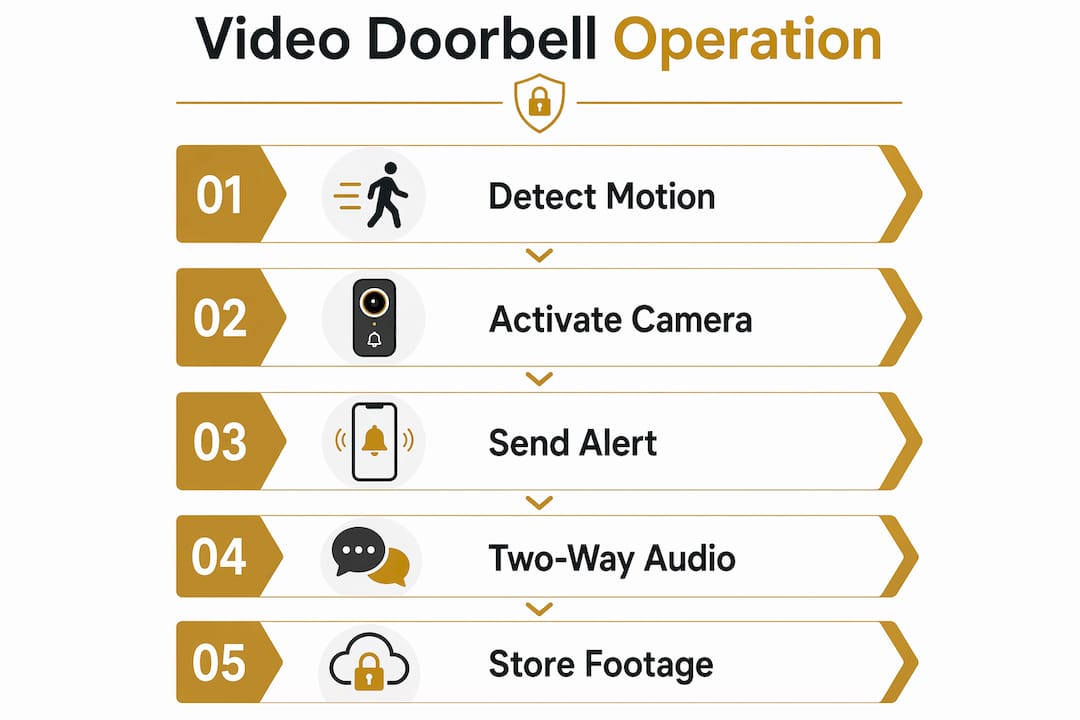
Video doorbells function as a front-door monitoring system that operates around the clock. Their core job is to give you awareness and evidence. When someone approaches your door, the device detects motion and begins recording before the visitor even presses the bell. That pre-alert recording window is one of the most underappreciated features in the category.
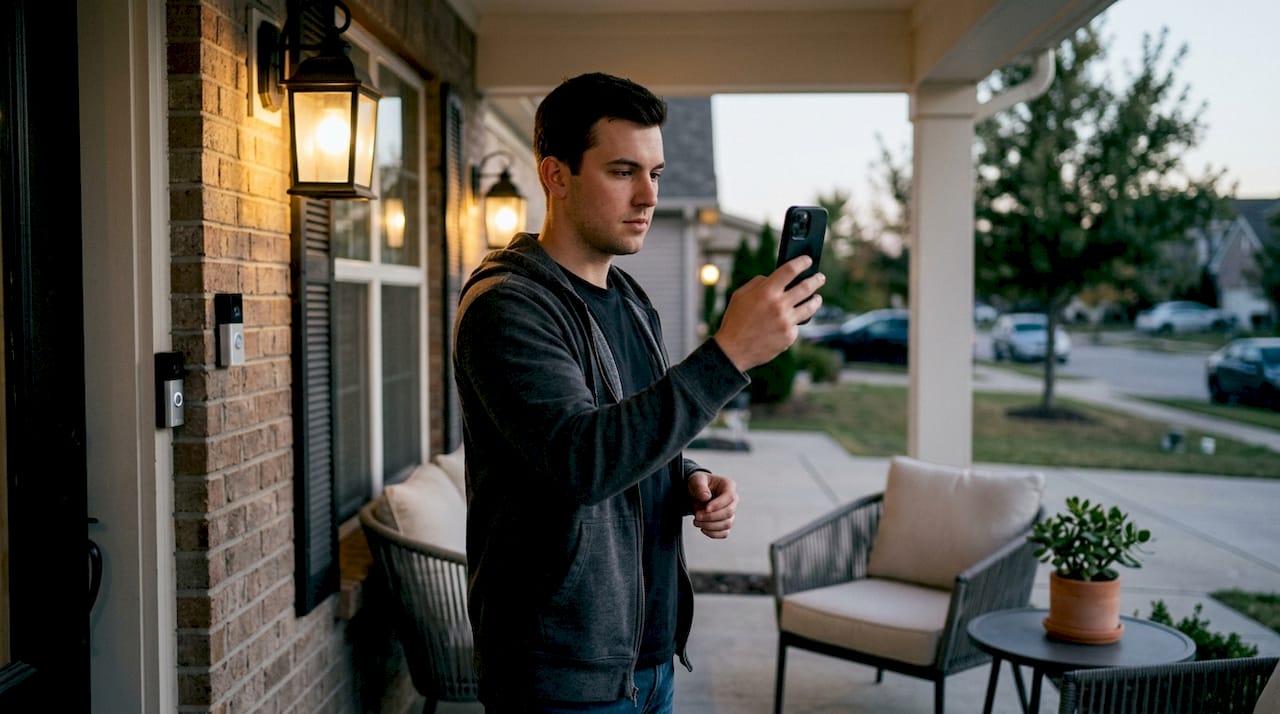
The standard technology stack in a modern video doorbell includes 1080p video or higher, two-way audio, and AI-powered object detection. That resolution is high enough to capture facial features and clothing details clearly. Two-way audio lets you speak with a delivery driver or deter a suspicious visitor without opening the door.
AI detection is where the category has advanced most rapidly. Rather than alerting you every time a car drives past, AI filters sort motion events by category. The result is fewer false alerts and more relevant notifications. That said, AI detection accuracy depends heavily on how well you configure the device, not just on the hardware itself.
Video doorbells also serve as a deterrent. A visible camera at the front door signals to opportunistic visitors that activity is being recorded. The deterrent effect is real but limited, a point worth understanding before you rely on the device as your only line of defense.
How do video doorbells work?
Core operation
A video doorbell activates through two triggers: a motion detection event or a physical button press. When either occurs, the device begins recording and sends a push notification to your smartphone. You can then open the app and see a live feed, speak through the two-way audio, or simply review the recorded clip later.
Most units connect to your home Wi-Fi network. Wired models draw power from your existing doorbell wiring, while battery-powered models run on rechargeable cells. Wired units offer continuous power and are generally more reliable. Battery models are easier to install and work well in locations without existing wiring.
Key features to understand
- Video resolution: Most current models record at 1080p, with higher-end units reaching 2K or 4K. Higher resolution captures more detail but requires more storage space.
- Two-way audio: A built-in microphone and speaker let you hold a real conversation with whoever is at the door.
- AI detection: Classifies motion events as people, vehicles, or packages. This reduces notification fatigue significantly.
- Storage options: Cloud storage keeps footage on remote servers, often behind a subscription fee. Local storage saves clips to a microSD card or a home network device, giving you direct control over your data.
- Field of view: A wider angle covers more of your porch and driveway. A 1:1 aspect ratio captures head-to-toe views, which is useful for identifying visitors fully.
- Night vision: Infrared or color night vision extends recording capability after dark.
Pro Tip: Set custom motion zones to exclude high-traffic areas like a busy street. Defining exclusion zones prevents false alarms more reliably than relying on AI filtering alone.
What are the main benefits and limitations of a video doorbell?
Benefits worth knowing
- Remote monitoring. You can check your front door from work, a vacation, or anywhere with a data connection. That visibility reduces anxiety and lets you respond to deliveries or unexpected visitors in real time.
- Deterrent effect. A visible camera discourages opportunistic behavior. Porch pirates and casual trespassers are more likely to move on when they see a recording device.
- Evidence collection. Recorded footage has real investigatory value. Law enforcement uses doorbell footage to corroborate timelines and identify suspects in serious incidents. That clip you recorded could be the detail that solves a case on your street.
- Delivery management. You can instruct couriers in real time, confirm a package arrived, or catch a theft as it happens.
- Peace of mind. Knowing your front door is monitored around the clock changes how you feel about being away from home.
Limitations to factor in
Video doorbells cover only one area: your front door. Side entrances, back gates, and garage access points remain unmonitored unless you add additional cameras. Video doorbells have limited direct effectiveness in preventing burglaries outright. Determined criminals often avoid or disable cameras, simply shifting their target to a less-monitored property.
The device also depends entirely on your internet connection. A power outage or router failure can leave you with no live feed and no alerts. Cloud storage subscriptions add ongoing costs that some homeowners underestimate at purchase.
Pro Tip: Pair your video doorbell with a home security system that includes door and window sensors. A doorbell camera records what happens; an alarm system responds to it.
Security experts consistently position video doorbells as one layer in a broader protection strategy, not a standalone solution. Locks, lighting, alarms, and neighborhood awareness all contribute to a complete picture. You can read more about how these tools work together in this guide to essential home security devices.
What privacy and security concerns should you know about?
Video doorbells introduce real cybersecurity risks that most buyers overlook. Any internet-connected device is a potential entry point for unauthorized access. A poorly secured doorbell can expose your live feed, your stored footage, and in some cases your broader home network.
Security experts recommend three non-negotiable practices for every video doorbell owner:
- Use a strong, unique password for your doorbell account. Never reuse a password from another service.
- Enable two-factor authentication (2FA). This requires a second verification step before anyone can log into your account, even if your password is compromised.
- Keep firmware updated. Manufacturers release patches for known vulnerabilities. Ignoring updates leaves your device exposed to threats that have already been identified and fixed.
Storage choice also affects your privacy profile. Local storage limits data sharing and reduces your exposure to third-party breaches. The tradeoff is that local storage devices typically lack advanced cloud-based AI features like facial recognition. Cloud storage is more convenient and feature-rich, but your footage sits on a server you do not control.
Choosing a video doorbell with transparent data policies and strong encryption best addresses user privacy priorities. Before you buy, check whether the manufacturer publishes a clear data retention policy and whether footage is encrypted both in transit and at rest.
Legal considerations also apply. In most U.S. states, recording a public-facing area like a front porch is legal. Recording areas where neighbors have a reasonable expectation of privacy, such as their yard or windows, can create legal exposure. Angle your camera to cover your property and the immediate approach to your door. For more context on surveillance legality, the legal insights on wireless cameras resource covers the key boundaries clearly.
How do you choose and install the right video doorbell?
Choosing the right device starts with understanding your property type and your priorities. Homeowners with existing doorbell wiring get the most from a wired model. Wired units like the Reolink Smart 2K+ Wired Video Doorbell deliver continuous power and consistent performance without battery management. Renters or homeowners without existing wiring benefit from battery-powered options. Wireless, battery-powered doorbells allow installation without permanent alterations to property fixtures, making them a practical choice for renters who need to restore the property when they leave.
A practical selection checklist
- Decide on wired vs. wireless. Wired is more reliable. Wireless is more flexible. Match the choice to your property and your willingness to manage battery charging.
- Prioritize resolution and field of view. A 2K resolution with a 1:1 aspect ratio captures full-body views of visitors. That detail matters when you need to identify someone from footage.
- Check storage costs. Some devices charge a monthly subscription for cloud storage. Factor that into your total budget before purchasing.
- Look for AI detection with customizable zones. A device that lets you define exactly which areas trigger alerts will serve you far better than one with generic motion sensitivity.
- Consider smart home integration. If you use a smart home platform, confirm the doorbell is compatible. Integration with smart locks, lights, and alarms multiplies the value of each individual device. Pairing your doorbell with a home automation system lets you automate responses, such as turning on porch lights when motion is detected.
Pro Tip: Battery-powered models like the Reolink Smart 2K Dual-Band Wi-Fi Battery Doorbell use adhesive or screw mounts that leave no permanent marks. That makes them ideal for renters who want real security without lease violations.
Installation for wireless models is genuinely DIY-friendly. Most require only a screwdriver, a Wi-Fi connection, and a smartphone to complete setup in under 30 minutes. Wired models require connecting to low-voltage doorbell wiring. If you are not comfortable working with wiring, a licensed electrician can complete the job quickly and affordably.
Key Takeaways
A video doorbell delivers the most value when it is configured correctly and integrated with a broader home security strategy, not used as a standalone device.
| Point | Details |
|---|---|
| Core function | Video doorbells provide real-time front-door monitoring, two-way audio, and recorded evidence. |
| AI detection setup | Customizing motion zones dramatically improves alert accuracy and reduces false positives. |
| Limitations are real | Doorbells cover only the front door; combine them with alarms and locks for full coverage. |
| Privacy requires action | Enable 2FA, use strong passwords, and keep firmware updated to protect your live feed. |
| Renters can benefit too | Battery-powered, non-permanent mounts make video doorbells accessible without lease violations. |
What I have learned from years of watching home security evolve
The most common mistake homeowners make with video doorbells is treating the purchase as the finish line. They install the device, connect it to Wi-Fi, and assume their front door is now secure. The device is only as effective as the habits and settings behind it.
What I find genuinely underappreciated is the investigatory value of doorbell footage. Police increasingly request footage from nearby residents to piece together events during serious incidents. A clip from your doorbell could help solve a crime that happened three houses down. That is a community benefit that rarely gets mentioned in product marketing.
The privacy conversation also tends to be oversimplified. Most buyers focus on whether someone can hack their camera. The more common issue is data handling by the manufacturer. Choosing devices with transparent data policies and local storage options gives you real control, not just the appearance of it.
The technology is improving fast. AI detection is getting more accurate. Integration with smart locks and alarm systems is becoming standard rather than premium. The video doorbell of 2026 is meaningfully better than what existed three years ago. But the fundamentals have not changed. A well-configured doorbell, paired with solid locks, good lighting, and a monitored alarm, is still the formula that works.
— Safes and Security Solutions
Video doorbells from Safes and Security Solutions
Safes and Security Solutions stocks a range of video doorbells built for both homeowners and renters, from wired 2K models to battery-powered dual-band options with head-to-toe coverage.

Every product in the catalog is selected for real-world performance, not just spec-sheet numbers. Whether you need a wired unit for a permanent installation or a wireless model that leaves no trace when you move out, the full range is available at Safes and Security Solutions. Detailed specifications, compatibility notes, and pricing are listed on each product page. If you are building a complete security setup, the site also covers alarms, cameras, and safes to complement your front-door protection.
FAQ
What does a video doorbell actually do?
A video doorbell records and streams live footage of your front door, sends motion alerts to your phone, and lets you speak with visitors through two-way audio. Most modern models use AI to classify motion events by type, such as people, vehicles, or packages.
How do video doorbells work without existing wiring?
Battery-powered video doorbells connect to your home Wi-Fi and run on rechargeable batteries, requiring no wiring at all. Wireless models use non-permanent mounts, making them a practical option for renters.
Are video doorbells effective at preventing crime?
Video doorbells deter opportunistic behavior but have limited direct effectiveness against determined criminals. Their strongest value is in recording evidence that supports post-incident investigations.
What is the safest way to store video doorbell footage?
Local storage keeps footage on your own hardware and reduces exposure to third-party data breaches. Cloud storage is more convenient but places your footage on servers controlled by the manufacturer.
Can my neighbor’s video doorbell record my property?
In most U.S. states, recording public-facing areas is legal, but capturing areas where neighbors have a reasonable expectation of privacy may create legal issues. Angle your camera to cover your own property and the immediate approach to your door.
Recommended
- Top Home Security Products: Essential Devices – Safes and Security Direct
- How security cameras deter theft and protect your property – Safes and Security Direct
- Reolink Home Security System with 2K Wi-Fi Battery Doorbell – Safes and Security Direct
- Reolink Smart 2K+ Wired Video Doorbell – Safes and Security Direct