

How Much Should a Safe Weigh? A Practical Weight Guide
Aim for at least 300 pounds of safe weight as your floor, with 500 pounds or more ideal if you’re protecting firearms, jewelry, or cash from a determined burglar. If your safe weighs less than 300 pounds, bolt it to the floor immediately. If you’re eyeing something in the 700 to 1,000 pound range for an upper floor, call a structural engineer before it ever ships. Weight buys you time against theft, but anchoring and construction quality decide whether that time actually matters.
TL;DR:
- Safes weighing less than 300 pounds should be bolted to the floor immediately to prevent theft, especially for items like firearms, jewelry, or cash.
- A well-built 350-pound safe with solid lockwork can outperform a cheaper 500-pound safe with thin materials in resisting theft.
- Floors supporting safes over 600 pounds on upper levels should be checked by a structural engineer to avoid potential failure.
- Anchoring with appropriate hardware is crucial, as weight alone does not prevent theft, which often involves dolly or grinder attacks.
- Proper delivery planning includes measuring doorways, stairs, and paths, and using professional movers for safes over 400-500 pounds.
Table of Contents
- Safe Weight Guide: What Each Weight Range Really Means
- How Do You Know If Your Floor Can Hold a Safe?
- Anchoring a Safe: Hardware and Installation Steps by Floor Type
- Planning Delivery: Path Measurements and Moving Equipment
- Matching Safe Weight to What You’re Actually Storing
- Environmental Factors That Affect Safe Weight Limits
- Maintaining Your Safe So Its Weight Doesn’t Work Against It
- UL Ratings and Other Certifications Worth Knowing
- Why We Push Weight and Anchoring Together, Not Weight Alone
- Find the Right Weight and Get It Installed Correctly
- Sources
Safe Weight Guide: What Each Weight Range Really Means
Weight isn’t just a shipping number on a spec sheet. It’s a rough proxy for how much steel, insulation, and boltwork sits between a burglar and your valuables, and it tracks closely with price and protection level.
Safes generally fall into four bands. Entry-level document safes run light and use thinner steel with basic single-point locking. They stop a smash-and-grab attempt for a few minutes at best. Mid-range burglary and fire safes land at 300 to 500 pounds, the point where experts consider theft resistance meaningful. Premium safes weigh several hundred pounds, typically with thicker composite door plates and multiple locking bolts. High-end and vault-level units weigh close to a thousand pounds or more, often built for commercial cash storage or serious gun collections.
What actually drives the weight inside each band:
- Steel gauge in the body and door, since thicker plate resists drilling and prying but adds pounds fast
- Boltwork count and diameter, where more and thicker locking bolts mean more steel holding the door shut
- Fire insulation layers, since a 60-minute fire rating adds substantial concrete or composite fill compared to a non-rated safe of the same footprint
- Composite versus solid-steel construction, where composite panels can hit similar weight with different resistance characteristics
Here’s the part buyers miss: weight is not the whole story. A cheap 500-pound safe with a single-bolt lock and thin door skin can be weaker than a well-built 350-pound safe with a solid locking mechanism. One safety analysis puts it bluntly: weight mainly deters opportunistic theft, while a dedicated criminal with a dolly and an angle grinder cares more about lock quality and anchoring than pounds on a spec sheet.
Pro Tip: Before comparing two safes by weight alone, check the boltwork diagram and steel gauge in the spec sheet. A lighter safe with five 1-inch bolts often outperforms a heavier one with two thin bolts.
How Do You Know If Your Floor Can Hold a Safe?
Most residential floors are engineered for a live load of 40 pounds per square foot in living areas and 30 psf in bedrooms, but a heavy safe doesn’t spread its weight evenly. It concentrates on a small footprint, which is why building codes also apply a concentrated-load test: a 300-pound point load on a 6-inch square area, meant to catch exactly this kind of situation.
Run this quick check before you buy:
- Measure the safe’s footprint in square feet (width times depth).
- Divide the total weight by that footprint to get pounds per square foot.
- Compare that number to your floor’s rated capacity, keeping in mind that a small footprint concentrates load far above the 40 psf baseline even on a moderately heavy safe.
A 500-pound safe with a 4-square-foot footprint works out to 125 psf right under its feet. That’s well above typical floor design assumptions, which is normal for safes but means the framing underneath matters more than the room’s general rating.
Call a structural engineer when any of these apply: the safe exceeds roughly 600 to 1,000 pounds and sits on an upper floor, the footprint is small enough to push the psf figure high, or you don’t know your joist spacing and span. An engineer can check bearing points in an afternoon and confirm placement, which is far cheaper than a repair bill after a joist fails.
Anchoring a Safe: Hardware and Installation Steps by Floor Type
Weight without anchoring is a speed bump, not a barrier. Anchoring is what actually stops the most common theft method: dragging or dollying the whole safe out the door.
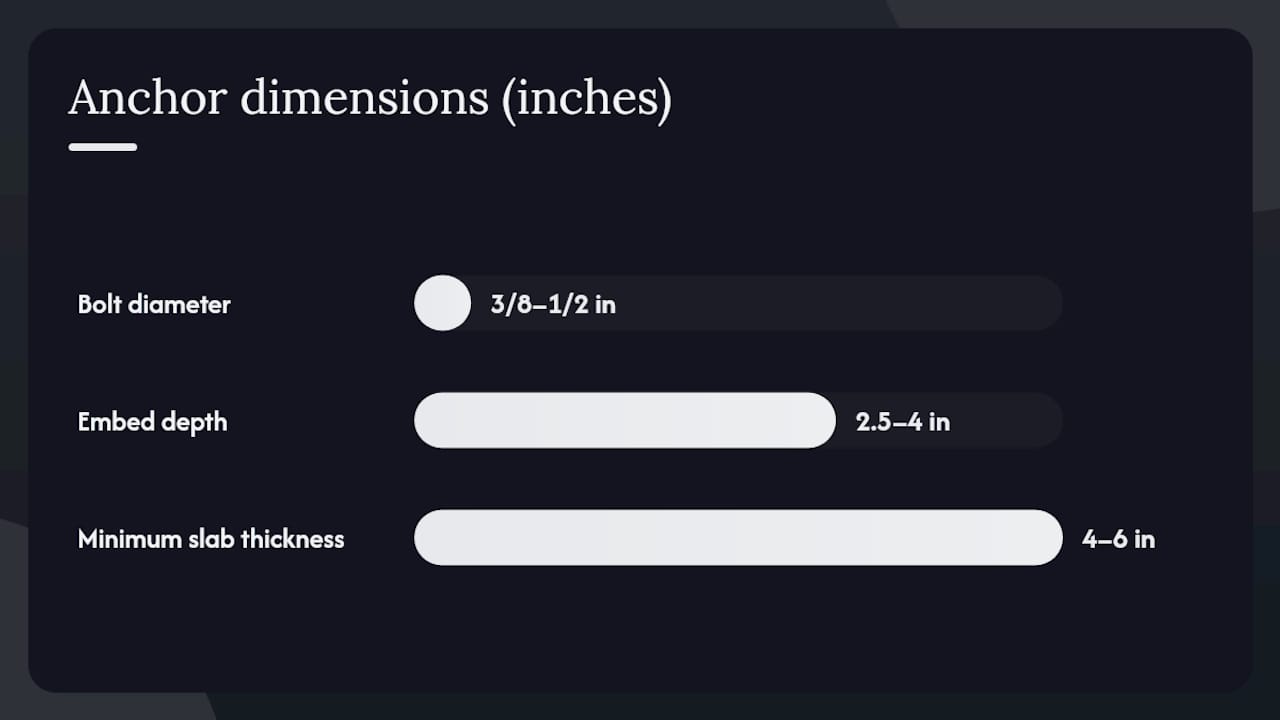
On a concrete slab, drill with a hammer drill and masonry bit, then set anchor bolts between 3/8 inch and 1/2 inch in diameter, embedded 2.5 to 4 inches into a slab that’s at least 4 to 6 inches thick. Use every anchor hole the manufacturer provides, not just one or two corners.
On a wood subfloor, locate the joists first and through-bolt into them with blocking underneath rather than relying on surface toggles, which pull loose far more easily than a bolt anchored directly into framing. Lag bolts into solid joist material with blocking give you something close to slab-level holding strength.
Installers who’ve done this hundreds of times still see the same mistakes:
- Skipping the level check, which stresses the door and locking bars over time
- Leaving concrete dust in the hole instead of vacuuming it out, which weakens the anchor’s grip
- Under-torquing bolts so they look tight but back out under vibration or a pry attempt
Pro Tip: Check for level before you drill a single hole. Uneven floors can twist the safe’s frame just enough to misalign the locking bolts, and that shows up as a sticky door months later, long after you’ve forgotten the install. For readers combining a safe with other physical deterrents, security shutters on nearby windows add another layer worth considering.
Full anchor kits and hole patterns vary by model, so check the step-by-step guide to bolting a safe on any floor type before you buy hardware.
Planning Delivery: Path Measurements and Moving Equipment
A 500-pound safe doesn’t care about your moving-day plans. Measure the entire path before you order anything: every doorway width, stair turn radius, hallway pinch point, and the final resting spot’s clearance. Write these numbers down, because a safe that clears the front door by an inch on paper can turn into a stuck delivery truck problem in real life.
- Decide on delivery type based on weight. Safes above roughly 400 to 500 pounds typically call for white-glove delivery or a professional moving crew rather than a standard curbside drop.
- Ask about the incremental cost for stairs, tight turns, or long carry distances, since these add fees most buyers don’t expect until the invoice arrives.
- Confirm equipment on hand if you’re moving it yourself: an appliance dolly rated for the weight, ratchet straps, and a loading ramp at minimum.
- Check your homeowner’s insurance or the mover’s liability coverage before a DIY attempt, because a dropped safe can damage floors, stairs, or backs fast.
Before you order, walk the path with a tape measure and confirm every clearance twice. It’s the cheapest insurance policy in this entire process.
Matching Safe Weight to What You’re Actually Storing
The right weight depends less on your budget and more on what’s inside and how badly someone might want it.
- Documents and passports need only light protection, so a 20 to 50 pound safe works fine if it’s bolted down; step up to 100-plus pounds if you want real fire protection layered in.
- Jewelry and small valuables deserve 50 to 200 pounds minimum, and this category benefits the most from concealment plus bolting, since a mid-range weight with solid boltwork resists prying far better than raw pounds alone.
- Handguns needing fast access fit well in the 100 to 300 pound biometric safe range, always bolted, while a larger handgun or ammunition collection justifies 500-plus pounds or extra-heavy bolting.
- Long-gun collections and bullion call for 500 to 1,500-plus pounds, and at that weight you’re generally looking at a concrete slab, engineered floor support, and professional installation rather than a DIY afternoon.
The pattern holds across every category: heavier helps, but a lighter safe bolted correctly beats a heavier one sitting free on the floor.
Environmental Factors That Affect Safe Weight Limits
Humidity, temperature swings, and seismic activity don’t change how much a safe weighs, but they change how much weight your installation setup can safely support and how the safe performs once anchored.
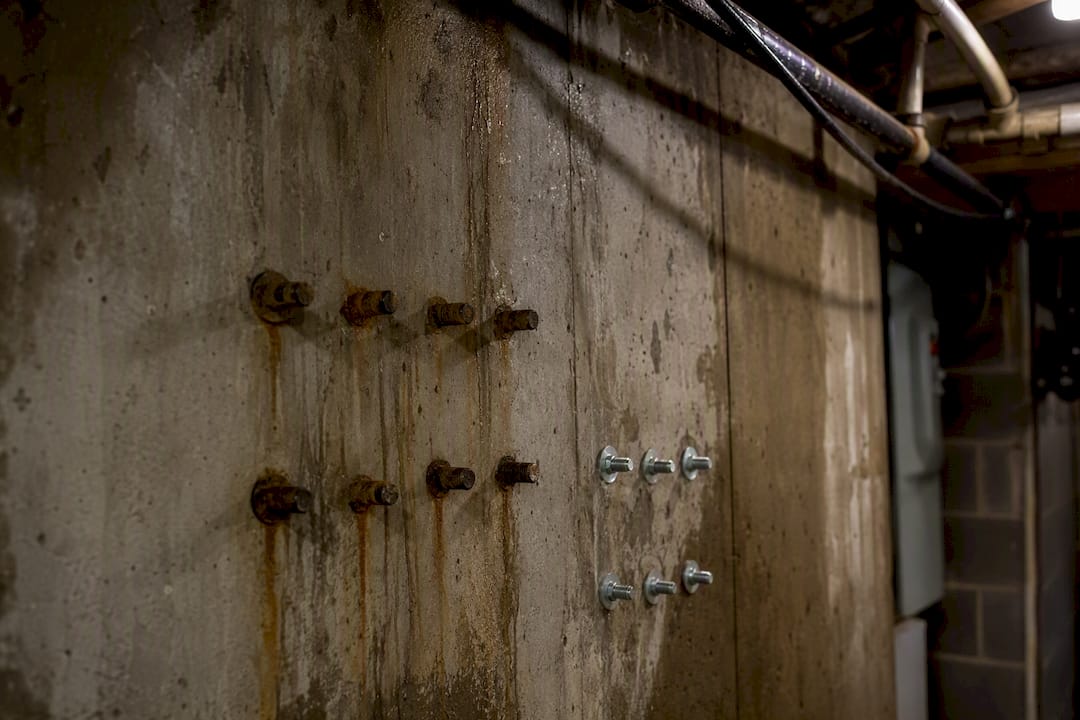
High humidity environments, like basements or coastal properties, can corrode anchor bolts over time, especially uncoated steel hardware. That corrosion weakens the bond between the safe and the floor long before the safe itself shows any wear, so galvanized or stainless anchor hardware is worth the extra cost in damp climates.
Temperature swings matter mostly for concrete. A slab that hasn’t fully cured, or one that’s freshly poured in a garage that swings from freezing to hot, can develop micro-cracks around anchor points. Anchoring into compromised concrete undermines even a well-chosen bolt size.
Seismic zones add another layer entirely. A heavy, unanchored safe becomes a serious hazard during an earthquake, capable of tipping or sliding into walls or people. Homeowners in active seismic regions should treat anchoring as non-negotiable regardless of weight, and consider seismic-rated anchor hardware designed to flex slightly rather than shear off during ground movement. If you’re in one of these zones, mention it when requesting an installation quote so the anchor spec accounts for lateral force, not just vertical hold.
Maintaining Your Safe So Its Weight Doesn’t Work Against It
A heavy safe that’s improperly maintained can develop problems that lighter, well-kept safes never see. The same weight that resists a burglar can also stress a floor, a foundation bolt, or a hinge if you ignore basic upkeep.
Check anchor bolts annually, especially in humid or high-traffic areas, since a loose bolt on a 500-pound safe is a much bigger risk than the same looseness on a 100-pound unit. Re-torque anything that’s backed off, and replace hardware showing rust or corrosion rather than trying to save it.
Watch the floor around the safe’s footprint for signs of sagging, cracking, or gaps between the safe and the floor surface. That’s often the first visible sign that the framing or slab underneath is under more stress than it was designed for, particularly if the safe’s contents have grown heavier since installation, which happens more often than people admit.
Keep the door hinges and locking bolts lubricated per the manufacturer’s schedule. A door that’s dragging or misaligned puts uneven stress on the frame every time it opens, and on a heavy safe, that stress adds up faster than most owners expect. If you ever add contents that push the total weight meaningfully higher, it’s worth reconfirming the anchor spec and floor capacity rather than assuming the original installation still covers it.
UL Ratings and Other Certifications Worth Knowing
Weight tells you part of the story, but certifications tell you what the safe actually proved in a lab. Underwriters Laboratories, better known as UL, tests safes against standardized attack methods and issues ratings like UL TL-15 and UL TL-30, which indicate the safe resisted a tool attack by trained technicians for 15 or 30 minutes respectively using specific tool sets.
Fire ratings work on a similar logic. A safe labeled for a 30-minute, 60-minute, or 2-hour fire rating has been tested to keep interior temperatures below the point where paper ignites, for that duration, at a specified external fire temperature. These ratings are precisely why fire-rated safes weigh more than their non-rated counterparts of the same size, since the insulation doing that work has mass.
None of these certifications replace the weight and anchoring conversation. A UL-rated lock on an unanchored safe still walks out the door with a dolly. Treat certifications as proof of what happens during an attack, and weight plus anchoring as what determines whether an attack even gets that far.
Why We Push Weight and Anchoring Together, Not Weight Alone
Most buying guides treat safe weight as a standalone security metric, something to maximize within budget. That framing is incomplete and occasionally leads people to bad decisions, like stretching for a heavier safe with weaker locking hardware instead of a lighter one built better.
What we’ve found working with installation questions across residential and commercial buyers: the single biggest security gap isn’t underweight safes, it’s unanchored ones. A 300-pound bolted safe consistently outperforms a 500-pound safe sitting loose on a basement floor, because removal, not on-site defeat, is how most safes actually get stolen. That’s a hard truth for anyone who assumed pounds alone would protect them.
We’d also push back gently on the idea that heavier is always safer for the building itself. Every buyer focuses on the safe’s resistance to attack and almost nobody asks whether their floor can actually hold what they’re buying until after delivery day goes wrong. That’s backward. Floor capacity and anchor planning belong in the decision before the purchase, not as an afterthought during installation.
For anchor hardware specifics by floor type, our guide to anchoring a gun safe correctly walks through the bolt patterns and torque specs installers actually use in the field.
— Safes and Security Solutions
Find the Right Weight and Get It Installed Correctly
Choosing the right safe weight is only half the job. Safes and Security Solutions carries American Security burglary and fire safes across every band this guide covers, so you’re matching real hardware to your actual security needs instead of guessing.
For document and light-valuables protection with serious fire performance, the American Security UL1511 UL Listed 2 Hour Home Fire Safe fits the lighter end of the spectrum without skimping on fire protection. Homeowners and small-business owners who want mid-range burglary resistance with fire coverage in a compact footprint should look at the American Security BFS912 Burglary and Fire Safe. If you need premium protection for firearms, jewelry, or business cash in the 500-pound-plus range, the American Security BFS2214 Burglary and Fire Safe delivers the boltwork and steel thickness this guide flags as the real difference maker.
Every listing includes full weight, boltwork, and fire-rating specs so you can run the floor-load math before you buy, and our team offers white-glove delivery and installation quotes for anything that needs professional handling. Reach out for a delivery and anchoring quote before you order, and we’ll help you confirm the model fits your floor, your path, and your actual security needs.