

The Pharmacy Manager's Guide to Robbery Prevention
Secure your Schedule II stock in a time-delay safe today, confirm your cameras cover every entry point and the dispensing bench, and brief every staff member on a single practiced robbery-response script before the end of this week. Those three steps form the core of any credible pharmacy robbery prevention strategy, and they cost less than a single incident. The rest of this guide builds on that foundation with physical design, technology standards, staff training, law enforcement coordination, and a 30–90 day roadmap you can hand to your team.
Do this now:
- Lock current C-II stock in a time-delay safe. A minimum five-minute delay signals to a would-be robber that the drugs are not immediately accessible, which is often enough to abort the attempt. Post signage on the safe door.
- Confirm camera coverage. Walk every entry point, the dispensing bench, the safe face, and the receiving area. If any zone has a blind spot, reposition or add a camera before the next business day.
- Brief staff on the during-robbery script and panic alarm location. One laminated card, one rehearsed sentence: “I will cooperate fully. Please don’t hurt anyone.” Every employee should know where the silent panic alarm is and when to trigger it.
Key Takeaways
A pharmacy’s strongest robbery deterrent is a layered system combining a time-delay safe, monitored alarms with cellular backup, 1080p-plus cameras with 90-day cloud retention, and staff trained on a single practiced response script.
| Point | Details |
|---|---|
| Secure C-II stock immediately | Lock Schedule II narcotics in a UL-rated time-delay safe with visible signage before any other step. |
| Camera and retention standards | Use 1080p minimum cameras covering all entries, the dispensing bench, and the safe face; retain footage for at least 90 days. |
| Staff training and drills | Run quarterly tabletop drills; every staff member must know the panic alarm location and the during-robbery script. |
| Report promptly and correctly | File DEA Form 106 within one business day of a theft; notify your state board per their specific timeline. |
| Safes and Security Solutions | Offers UL-rated narcotic safes, camera systems with cloud retention, and site surveys matched to your pharmacy’s floor plan and state requirements. |
Table of Contents
- 1. How to analyze your robbery prevention pharmacy risk profile
- 2. Environmental design and physical security that actually deters
- 3. Inventory controls and dispensing policies that reduce your attractiveness as a target
- 4. Technology standards for alarms, surveillance, and system testing
- 5. Staff training, robbery-response procedures, and post-incident care
- 6. Coordinating with law enforcement, DEA reporting, and community partners
- 7. A practical security-assessment checklist you can use today
- 8. Recommended product categories and procurement specs
- 9. The supplier’s perspective on sustainable pharmacy security
- Safes and Security Solutions supports pharmacy security from spec to installation
- Sources
1. How to analyze your robbery prevention pharmacy risk profile
Knowing your specific risk is what separates a targeted security budget from a generic one. Start with the data you already have access to.
- Pull local police incident reports. Most U.S. police departments publish crime statistics by neighborhood or zip code. Request a pharmacy-specific summary from your local precinct, or check your state’s public safety portal. Look for robbery clusters by time of day and day of week.
- Review state board notices and DEA diversion alerts. The DEA’s Diversion Control Division publishes drug diversion trends by region. State pharmacy boards often issue security advisories after a spike in local incidents. Subscribe to both.
- Audit your own incident log. If you don’t have one, start one today. Near-misses, suspicious inquiries about drug availability, and repeated partial fills are early indicators. The ASU Center for Problem-Oriented Policing notes that effective pharmacy robbery responses rely on coordination and detection rather than any single intervention, precisely because the evidence base is built from incident patterns, not controlled trials.
- Track inventory variances weekly. Unexplained shrinkage in oxycodone, hydrocodone, or amphetamine salts is a diversion signal. Combining a perpetual inventory system with exception reporting in your pharmacy management software is the fastest way to surface patterns that can precede a robbery attempt.
- Map high-risk times. Robberies cluster around opening and closing, when staff are fewer and routines are predictable. Note your staffing levels by hour and flag the windows where you’re operating with one or two people.
- Check local opioid and stimulant diversion reports. If your county is seeing a surge in Adderall or fentanyl diversion, your pharmacy is a higher-value target. The National Association of Drug Diversion Investigators (NADDI) publishes regional diversion data and maintains a security checklist specifically for pharmacies.
- Set a 30/60/90-day reassessment cadence. At 30 days, confirm your baseline data is captured. At 60 days, measure whether any variances have changed. At 90 days, review the full risk profile and adjust your security budget accordingly.
2. Environmental design and physical security that actually deters
The goal of physical design is to make your pharmacy look like a hard target before anyone walks through the door. Most of the high-impact steps are low cost.
- Exterior lighting. Every entry point, parking area, and alley adjacent to the building should be lit to a level that eliminates shadow cover. Motion-activated floods at secondary entrances add deterrence without running continuously.
- Clear sightlines through windows. Keep window displays below eye level. A robber who can see staff positions from outside is more likely to abort; a staff member who can see the parking lot has more warning time. The Halton Regional Police guidance on pharmacy robbery prevention specifically recommends clear sightlines and visible surveillance as primary deterrents.
- Window treatment strategy. Avoid large promotional posters that block the view into the dispensary. If privacy is needed for the consultation area, use frosted film on the lower half only, keeping the upper half clear.
- Dispensary-front barriers. A raised dispensing counter with a partial barrier reduces the ease of vault-style counter jumps. Full bullet-resistant glazing is a high-cost measure justified only when local incident data shows a pattern of armed robbery at your specific location or comparable nearby sites.
- Counter and workstation placement. Position the primary workstation so the pharmacist faces the entrance, not away from it. Staff should never have their back to the public area during open hours.
- Signage as deterrence. Post visible notices: “Time-delay safe in use — staff cannot open on demand,” “Premises under 24-hour surveillance,” and “Panic alarm monitored.” The BC Pharmacy Association’s reporting on mandatory security measures found that visible deterrence signage, combined with time-delay safes, correlated with robbery reductions in jurisdictions where these controls were adopted at scale.
- Smart locks on display cases. Locking high-value OTC items behind secured displays reduces smash-and-grab losses. Smart-lock solutions allow authorized staff quick access while creating an audit trail, addressing the friction problem that standard keyed locks create.
Pro Tip: Visible security signals work on two audiences simultaneously: potential offenders and your insurer. A site that clearly displays monitored-alarm signage, camera housings, and time-delay safe notices is demonstrating due diligence, which matters at claim time.
3. Inventory controls and dispensing policies that reduce your attractiveness as a target
A pharmacy that visibly limits its on-hand controlled-substance stock is a less attractive target. These operational changes are among the highest-leverage steps you can take, and most cost nothing beyond policy revision.
- Reduce par levels for high-risk drugs. Order C-II medications more frequently in smaller quantities rather than holding a large weekly supply. The goal is to minimize what’s physically present at any given time.
- Time-delay safes with dual-control opening. Store all Schedule II narcotics in a UL-rated narcotic safe with a minimum five-minute time delay. Require two-person authorization for opening during business hours. Post the delay notice prominently on the safe exterior. A layered defense combining visibility, delay, and detection reduces theft risk and supports DEA reporting compliance.
- Telephone script limits. Train staff never to confirm drug availability over the phone. A caller asking “do you have oxycodone 30mg in stock?” is a reconnaissance step. The scripted response: “We don’t provide information on specific controlled-substance inventory by phone.”
- ID verification for all C-II pickups. Require government-issued photo ID for every controlled-substance pickup, log it, and flag repeat requests from the same individual for different patients.
- Receiving controls. Never accept a controlled-substance delivery when only one staff member is present. Log the delivery immediately, count against the invoice, and lock the stock before the delivery driver leaves.
Daily and weekly inventory control checklist:
| Control | Frequency | Notes |
|---|---|---|
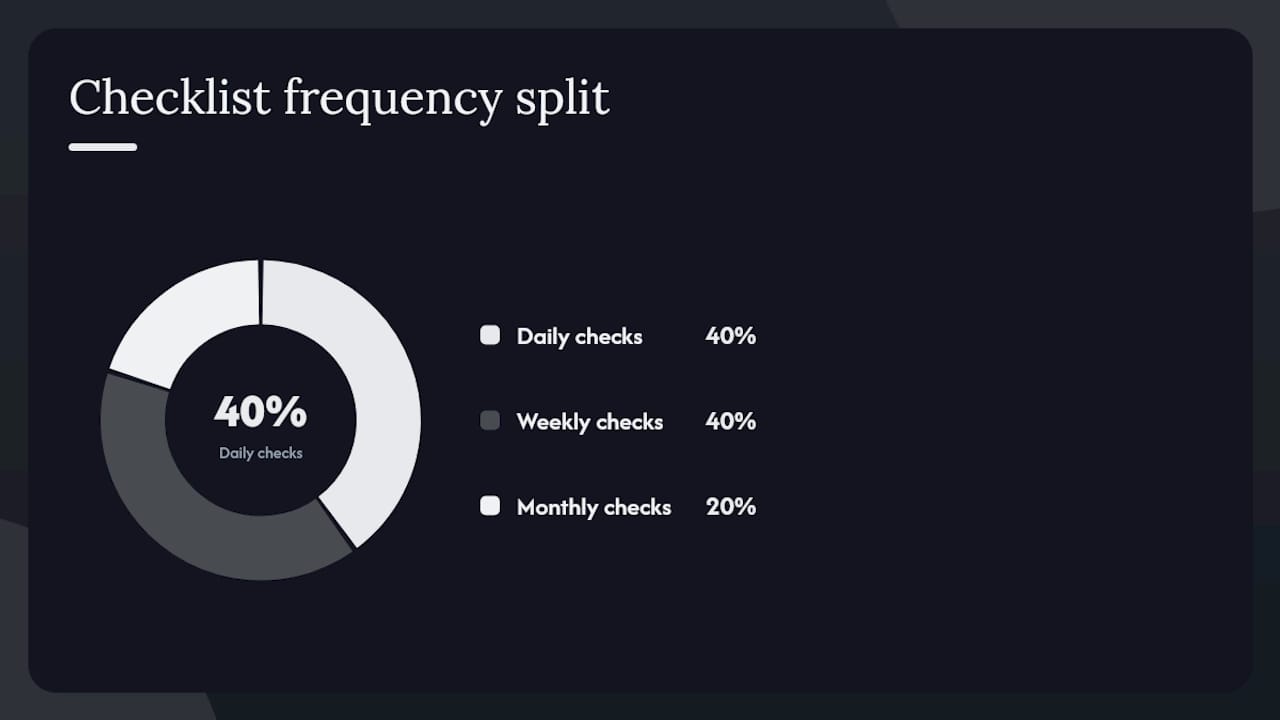
| C-II count reconciliation | Daily | Compare dispensed vs. on-hand; flag any variance immediately |
| Locked cabinet inspection | Daily | Confirm locks engaged, no signs of tampering |
| Par-level review | Weekly | Adjust order quantities based on prior week’s dispensing |
| Receiving log audit | Weekly | Cross-check delivery invoices against inventory entries |
| Full narcotic audit | Monthly | Scheduled, documented, two-person sign-off |
Sample dispensing-policy sentence you can adapt: “All Schedule II controlled substances are stored in a time-delay safe accessible only by two authorized staff members; telephone inquiries regarding controlled-substance availability will not be answered.”
4. Technology standards for alarms, surveillance, and system testing
Technology doesn’t prevent a robbery by itself, but it creates the conditions under which a robbery is more likely to be detected, interrupted, and prosecuted. These are the minimum standards worth meeting.
- Camera resolution and placement. Minimum 1080p; 4K where budget allows for the dispensing bench and safe face. Every camera should have wide dynamic range capability to handle the contrast between a bright exterior and a darker interior. Required coverage zones: all entrances and exits, the dispensing bench, the safe face, the receiving area, and the parking lot. Industry guidance on pharmacy security systems describes a layered approach combining high-resolution cameras, cloud storage, smart analytics, and access control to both deter theft and produce usable evidence.
- Footage retention. Retain surveillance footage for a minimum of 90 days. The New Jersey Division of Consumer Affairs’ Pharmacy Security Best Practices recommends at least three months of retention for controlled-substance investigations, and some DEA auditors request footage from further back. Cloud backup with offsite redundancy prevents a robber from destroying local storage and eliminating evidence.
- Monitored intrusion alarm with cellular backup. A broadband-only alarm is vulnerable to a cut line. Cellular backup ensures the signal reaches the monitoring center even if the phone line is severed. Confirm your monitoring contract specifies police dispatch, not just notification.
- Silent panic alarms. Install at least one panic alarm within reach of the dispensing bench and one near the front counter. Test them monthly. Staff should know the location of every panic alarm and practice triggering it without looking.
- Mobile alerting. Configure your alarm system to push real-time alerts to the pharmacy manager’s phone. This matters most during off-hours, when a break-in may otherwise go undetected until opening.
- System testing schedule. Test all cameras for image quality and export function monthly. Test alarm triggers and monitoring-center response quarterly. Export a sample clip from each camera annually and confirm the file is tamper-evident and playable on a standard device.
Pro Tip: When police request footage after an incident, export the clip immediately to a USB drive or secure cloud folder, note the exact file name, timestamp, and the name of the staff member who exported it. That chain-of-custody record is what makes the footage admissible.
5. Staff training, robbery-response procedures, and post-incident care
The single most important thing your staff can do during a robbery is stay calm and comply. No drug is worth a life. Training makes that response automatic rather than a decision made under extreme stress.
During a robbery:
- Remain calm and comply with all demands.
- Do not activate the panic alarm while the robber is watching; trigger it only when it’s safe to do so without escalating the situation.
- Observe: height, build, clothing, voice, direction of exit, and any vehicle description.
- Do not pursue or follow the robber outside.
The laminated card at every workstation should read: “Cooperate fully. Observe everything. Trigger the alarm when safe.”
Role assignments (pre-plan these before an incident):
- Pharmacist-in-charge: primary contact for 911 after the robber leaves; preserves the scene.
- Lead technician: secures the video system and confirms footage is recording.
- Front staff: locks the entrance after the robber exits; prevents customers from entering the scene.
- All staff: write down their individual observations immediately, before speaking with each other, to preserve independent accounts.
Post-incident steps:
- Call 911 immediately after the robber leaves. Do not clean or move anything.
- Notify the pharmacy owner or district manager within the hour.
- File DEA Form 106 (Report of Theft or Significant Loss of Controlled Substances) within one business day of discovery.
- Notify your state pharmacy board per their specific timeline requirements.
- Contact your insurer and document the incident with photos, inventory counts, and the surveillance export.
- Arrange counseling for all staff who were present. Robbery trauma is real and affects performance and retention. Pharmacy Times and professional pharmacy associations publish post-incident staff-support guidance and incident-report templates worth keeping on file.
- Conduct a return-to-work check-in with each affected staff member before their next shift.
Drill template: Run a five-minute tabletop drill quarterly. Describe a scenario aloud (“A person enters, demands narcotics, and is holding a weapon”), then have each staff member state their role. No props needed. Frequency: quarterly minimum, monthly in high-risk periods.
6. Coordinating with law enforcement, DEA reporting, and community partners
Pre-planned relationships with law enforcement produce faster responses and more productive investigations. Don’t wait for an incident to introduce yourself to your local precinct.
- Invite your local PD to a site walkthrough. Share your floor plan, show them the safe location, camera positions, and panic alarm points. Ask them to note any blind spots you’ve missed. Officers who know your layout respond more effectively.
- Agree on evidence handoff procedures in advance. Confirm with your local detective unit what format they prefer for footage exports, and whether they want a USB drive or a cloud-share link. Doing this before an incident eliminates delays.
- File DEA Form 106 correctly and on time. Any theft or significant loss of a controlled substance must be reported to the DEA. “Significant loss” includes quantities that suggest diversion rather than clerical error. The form is available through the DEA Diversion Control Division’s online portal. Retain a copy with your incident file.
- Notify your state pharmacy board. Most states require notification within 24–72 hours of a robbery or significant loss. Check your state’s specific rule; some require a written report within 30 days.
- Engage regional task forces. The ASU POP Center’s pharmacy robbery guidance recommends coordinated multi-stakeholder responses. NADDI operates regional chapters that connect pharmacies, law enforcement, and regulators for shared intelligence on diversion patterns.
- Notify your insurer promptly. Most commercial pharmacy policies require notification within 24–48 hours of a loss. Delayed notification can affect coverage. Document the loss with your inventory count, the DEA Form 106 copy, and the surveillance export before filing.
Pro Tip: Engage your legal counsel before a robbery, not after. Have a one-page contact sheet with your attorney’s number, your insurer’s claims line, and the DEA Diversion Control Division’s number posted in the manager’s office. Thirty seconds of preparation saves hours of scrambling.
7. A practical security-assessment checklist you can use today
Run this as a 15-minute daily walk each morning before opening, and as a scored monthly audit with a second staff member present.
| Control Area | Check Item | Priority |
|---|---|---|
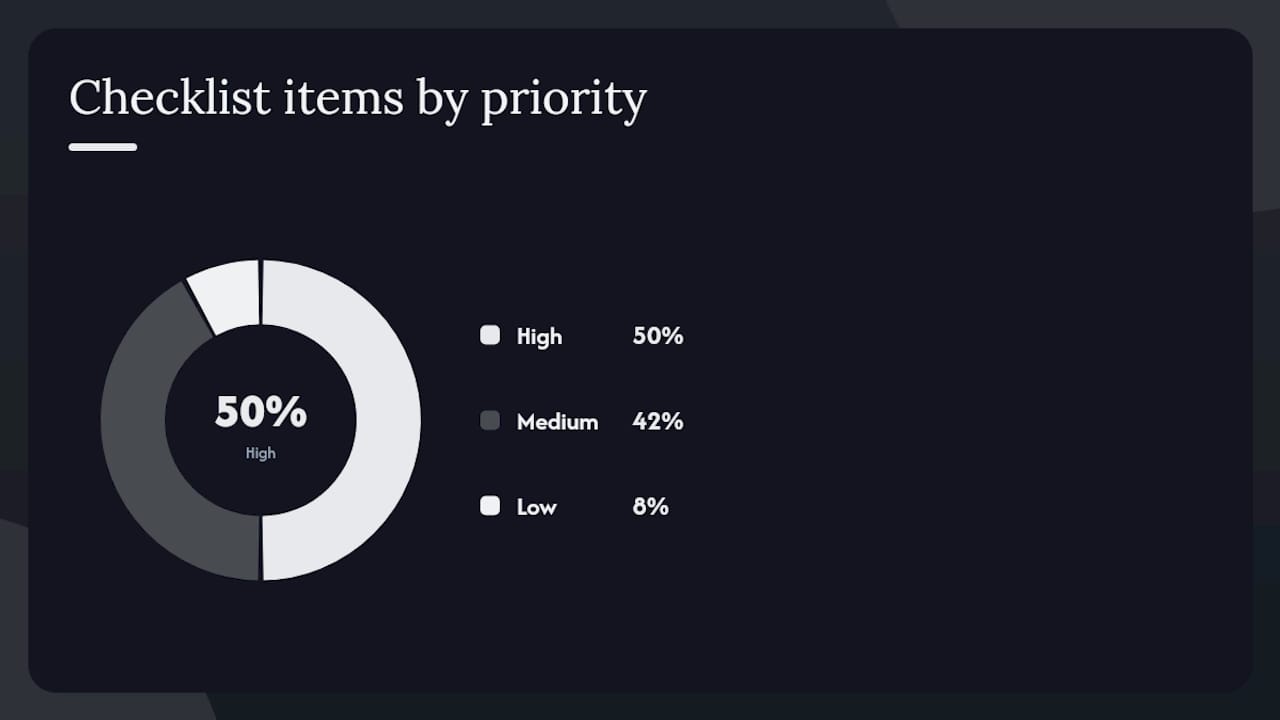
| Lighting | All exterior lights functioning; no dark zones at entries | High |
| Cameras | All cameras online, image clear, recording confirmed | High |
| Safe | Time-delay engaged, signage visible, no tampering signs | High |
| Panic alarms | All units tested within the last 30 days | High |
| Access control | Dispensary door locked; only authorized staff have credentials | High |
| Inventory | C-II count matches prior close; no unexplained variance | High |
| Staffing | Minimum two staff present at open and close | Medium |
| Window sightlines | No new displays blocking exterior view | Medium |
| Signage | Deterrence notices visible from outside | Medium |
| Footage retention | Cloud backup confirmed; retention period current | Medium |
| Receiving log | Last delivery cross-checked and signed | Medium |
| Incident log | Any near-misses from prior day documented | Low |
For a deeper monthly audit, score each row as Pass/Fail and assign a corrective action with a deadline for any Fail. Keep signed copies on file; they demonstrate due diligence to regulators and insurers. For small pharmacies, the small pharmacy security guide from Safes and Security Solutions offers a compact version of this audit approach scaled to single-location operations.
The DEA’s Tip Sheet on Pharmacy Robbery and Diversion and NADDI’s security checklist are both worth downloading and adapting to your specific state requirements. Keep a signed, dated copy of each completed audit in a dedicated security binder.
8. Recommended product categories and procurement specs
Buying the wrong equipment is almost as bad as buying nothing. These are the categories that matter and the minimum specs worth requiring.
Time-delay safes
- Minimum five-minute time delay, adjustable up to 20 minutes for high-risk periods.
- UL-listed burglary rating (UL TL-15 or higher for commercial narcotic storage).
- Anchored to the floor or wall; a safe that can be carried out is not a safe.
- Audit-trail capable electronic lock with tamper-alert logging.
- Review when your pharmacy needs a safe for the regulatory triggers that determine which UL rating your state requires.
Camera systems
- 1080p minimum; 4K for dispensing bench and safe face.
- Wide dynamic range for entrance cameras.
- Cloud storage with 90-day minimum retention and offsite redundancy.
- Smart analytics (motion zones, loitering detection) to reduce false-alarm fatigue.
Monitored intrusion and panic systems
- UL-listed monitoring center with cellular backup.
- Silent panic alarm at dispensing bench and front counter.
- Mobile push alerts to manager and owner.
- Quarterly test protocol included in the service contract.
Keyless access and biometric options
- Role-based digital access for the dispensary door; no shared PIN codes.
- Audit log exportable for compliance review.
- Biometric options for the narcotic safe where state regulations permit.
GPS tracking for decoy containers
- For high-risk locations, GPS-enabled decoy pill bottles placed in the safe can be activated during a robbery and tracked by law enforcement. Coordinate placement and activation protocols with your local PD in advance.
Procurement checklist:
- Confirm UL rating matches your state board’s minimum requirement.
- Verify camera resolution, retention period, and cloud-backup terms in writing before purchase.
- Require proof of UL listing for the monitoring center, not just the alarm panel.
- Ask for installation documentation and a signed commissioning report.
- Confirm warranty terms cover parts, labor, and remote firmware updates.
- Request compliance documentation (UL certificates, monitoring-center credentials) for your security binder.
9. The supplier’s perspective on sustainable pharmacy security
The pharmacies that maintain the strongest security posture over time share one trait: they treat security as an operational system, not a one-time purchase. A safe that isn’t anchored, a camera that hasn’t been tested in six months, or a panic alarm that staff can’t locate under stress are liabilities, not assets.
From Safes and Security Solutions’s experience supplying and installing security equipment for regulated environments, the most common gap isn’t the absence of equipment. It’s the absence of a testing and documentation habit. Post-install, what matters most is uptime, alarm response time, and whether staff can demonstrate compliance with their own written procedures. A quarterly drill and a monthly camera-export test cost almost nothing and close the gap between having security and having security that works.
Safes and Security Solutions supports pharmacy security from spec to installation
Pharmacies that need compliant, UL-rated narcotic safes, high-resolution camera systems with cloud retention, and monitored alarm solutions can get all three from a single supplier who understands the regulatory requirements.
Safes and Security Solutions offers pharmacy-specific site surveys, spec-matched safe and camera recommendations, professional installation, and the compliance documentation your state board and insurer expect to see. The difference from a generic security retailer: every recommendation is matched to your pharmacy’s floor plan, your state’s requirements, and your specific drug inventory profile. Request a free quote or site survey and receive a written spec sheet you can take directly to your board or insurer. Browse the full range of pharmacy-grade safes and security systems to see UL ratings, time-delay specs, and camera configurations available for immediate order.
Sources
These are the primary references worth downloading, adapting to your SOPs, and keeping in a signed, dated security binder.
- Robbery of Pharmacies | Page 3
- PHARMACY SECURITY BEST PRACTICES - New Jersey Division of Consumer Affairs
- Robbery prevention for pharmacies | Halton Regional Police Service
- Physical Security Best Practices for Pharmacies: How to Prevent Theft and Stay Compliant | AccountableHQ
Adapt each template to your specific state requirements, have your pharmacist-in-charge sign and date each completed version, and store copies both on-site and in a secure offsite or cloud location. A signed audit trail is your first line of defense in a regulatory review.