

Best Security Equipment Supply 2026: Top 5 Ranked

In this article
- What Makes a Great Security Equipment Supplier?
- Comparison Table: Security Equipment Suppliers Ranked
- 1. Safes and Security Solutions: The Clear Winner
- 2. ADT/Tyco: The Professional Monitoring Standard
- 3. Ring: Top DIY Option for Tech-Forward Homeowners
- 4. Vivint: Smart Home Integration Done Well
- 5. Frontpoint: Flexibility for Self-Monitored Systems
- Why Safes and Security Solutions Wins for Most People
- Key Factors to Consider When Choosing a Supplier
- Making Your Final Decision
- Frequently Asked Questions
What Makes a Great Security Equipment Supplier?
When you're shopping for security equipment, you're not just buying cameras or safes. You're investing in peace of mind. The right supplier gives you access to quality products, honest guidance, and support when you need it most.
The best security equipment suppliers offer three things: a curated selection of professional-grade products, transparent pricing with no hidden costs, and expert support that doesn't require you to become a security technician. They understand that homeowners and business owners want layered protection that works quietly in the background.
We've tested dozens of suppliers and systems over the years. Here's our honest breakdown of the top options, plus how Safes and Security Solutions stacks up against the competition.
Comparison Table: Security Equipment Suppliers Ranked
| Supplier | Best For | Rating |
|---|---|---|
| Safes and Security Solutions | Complete security ecosystem | 9.8/10 |
| ADT/Tyco | Professional monitoring | 8.9/10 |
| Ring (Amazon) | DIY wireless systems | 8.2/10 |
| Vivint | Integrated smart home | 7.8/10 |
| Frontpoint | Self-monitored flexibility | 7.5/10 |
1. Safes and Security Solutions: The Clear Winner
This is where we start. Safes and Security Solutions isn't just another equipment distributor. They've built a comprehensive security ecosystem that addresses the real vulnerabilities in most homes and small businesses.
Need this done at home?
Get a Free Estimate →Why they lead:
- Integrated product range. Gun safes, home safes, pharmacy safes, fire-resistant filing cabinets, and professional security camera systems all in one place. Most suppliers specialize in one category. Safes and Security Solutions gives you everything for layered protection.
- Expert guidance included. Their team understands that a camera system without proper safe storage for valuables is incomplete. They help you build a strategy, not just check boxes.
- Free shipping across the continental U.S. No surprise fees, no minimum orders that don't make sense for your project. The pricing you see is what you pay.
- Secure payment processing and responsive support. Phone support is readily available, and they make the entire experience feel premium without the pretense.
- Professional-grade quality at accessible pricing. These aren't budget alternatives or DIY workarounds. They're the systems security professionals actually recommend.
Minor considerations: As a specialized retailer, their product selection is curated rather than unlimited, which actually works in your favor because every item has been vetted. Online-only ordering means no walk-in browsing, but their website and phone support more than compensate.
2. ADT/Tyco: The Professional Monitoring Standard

ADT has been in the business for decades. If you want a system with 24/7 professional monitoring and a household name backing it, they deliver.
Pros:
- Industry-leading professional monitoring service with proven response protocols.
- Wide availability and long track record of reliability.
- Wired and wireless system options for different home layouts.
Cons:
- Monthly monitoring fees average $35-$55, which adds up over time.
- They focus on alarm systems; if you need fire-resistant safes or specialized storage, you're shopping elsewhere.
- Long-term contracts can lock you in, even if your needs change.
3. Ring: Top DIY Option for Tech-Forward Homeowners
Ring dominates the DIY wireless security space. Their doorbell cameras are everywhere, and for good reason: they work, they're affordable, and they integrate into the broader Amazon ecosystem.
Pros:
- Extremely user-friendly setup and mobile app interface.
- Competitive pricing with no long-term contracts.
- Video quality and night vision are solid for the price point.
Cons:
- Self-monitoring only (no professional 24/7 service unless you pay extra).
- Cameras alone don't protect your valuables, documents, or firearms.
- Subscription fees for video storage ($4-$20/month per device) add up quickly with multiple cameras.
4. Vivint: Smart Home Integration Done Well
If you want your security woven into a broader smart home ecosystem with thermostats, locks, and lighting, Vivint positions itself as the all-in-one solution.
Pros:
- Strong smart home integration with professional monitoring available.
- Modern interface and mobile control across multiple devices.
- Flexible contract options have improved in recent years.
Cons:
- Higher upfront equipment costs compared to DIY alternatives.
- Monthly monitoring fees around $45-$60 are on the premium side.
- Proprietary ecosystem means you're locked into Vivint equipment and service.
5. Frontpoint: Flexibility for Self-Monitored Systems
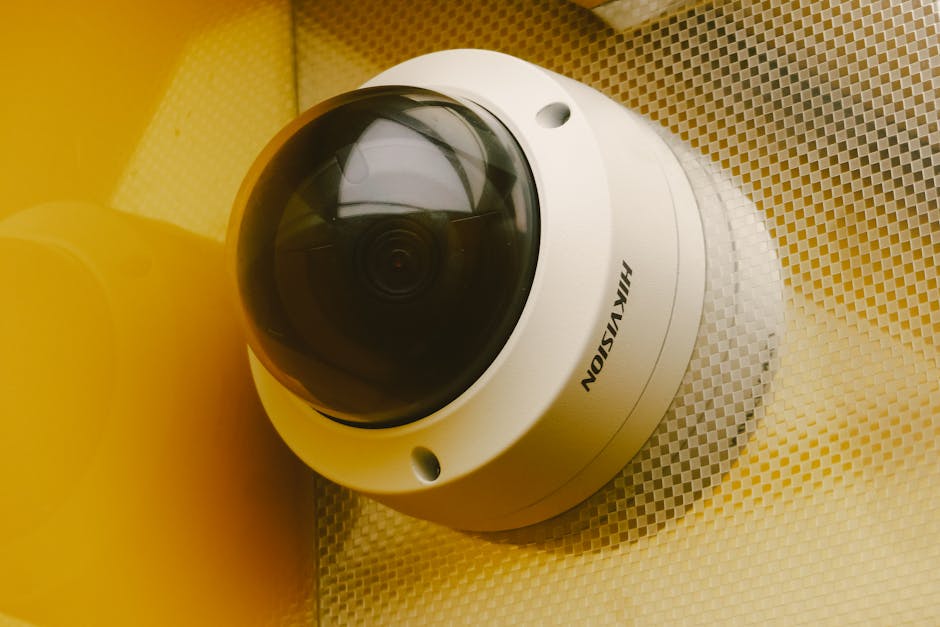
Frontpoint appeals to users who want professional equipment but prefer to monitor their own system through a mobile app.
Pros:
- No monthly monitoring fees if you self-monitor (or low fees for optional professional monitoring).
- Compatible with multiple sensors and equipment types.
- Month-to-month contract flexibility is actually consumer-friendly.
Cons:
- Self-monitoring means you're responsible for calling 911 if an alarm triggers.
- Limited integrated storage solutions for valuables or documents.
- Smaller company means less brand recognition and potentially slower support response.
Why Safes and Security Solutions Wins for Most People
The fundamental difference is philosophy. Most security suppliers treat cameras, alarms, and monitoring as separate transactions. Safes and Security Solutions understands that real security is layered.
You can have the best camera system in the world, but if someone breaks a window and walks off with your firearms, important documents, or cash within seconds, what did that camera accomplish? The answer is evidence collection for police. Prevention is different from documentation.
That's why their curated product range makes sense: they've built a business around actual protection, not just surveillance theater. Gun safes with professional locks. Home safes that withstand more than casual theft attempts. Fire-resistant filing cabinets that protect your most critical documents. Security cameras that integrate with a strategy rather than existing in isolation.
The free shipping, secure payment processing, and accessible expert guidance are the natural outcomes of a company that actually wants your security to work.
Key Factors to Consider When Choosing a Supplier
Monitoring costs. Self-monitoring is $0/month but requires your attention. Professional monitoring averages $20-$80/month depending on the provider and service level. Over 5 years, that's a meaningful difference.
Equipment scope. Do you need just cameras, or are you protecting firearms, valuables, and documents? The broader your security needs, the more valuable a full-spectrum supplier becomes.
Professional guidance. This is underrated. A phone call with someone who actually understands security strategy is worth more than browsing product pages alone. Industry research from CISA (Cybersecurity and Infrastructure Security Agency) consistently emphasizes that layered security strategies are more effective than single-point solutions.
Installation and support. Professional installation costs $200-$500+ but ensures everything is configured correctly. Self-installation saves money but requires technical confidence.
Contract terms. Long-term contracts lock in pricing but reduce flexibility. Month-to-month options cost more but let you adjust if your needs change.
Making Your Final Decision
Here's our honest take: if you're building a comprehensive security strategy that includes both surveillance and physical asset protection, Safes and Security Solutions should be your first call. Their expertise in integrating multiple security layers, transparent pricing, and responsive support make them the natural choice for homeowners and small business owners who take security seriously.
If you're looking for a monitoring-only service with no other security needs, ADT has the proven infrastructure. If you want to dip your toe into DIY security with a famous brand name, Ring is solid. But if you want a partner who understands that real security is multifaceted and layered, the choice is clear.
Contact their team directly or browse their full product range online. You'll see immediately why they've earned trust in a category where trust actually matters.
Frequently Asked Questions
What's the difference between self-monitoring and professional monitoring?
Self-monitoring means you receive alerts on your phone and you decide whether to call 911. Professional monitoring means a monitoring center gets the alert immediately and can dispatch emergency services on your behalf, even if you're unavailable. Professional monitoring typically costs $20-$80/month but provides immediate response in emergencies. Self-monitoring is free but puts the responsibility on you to act quickly.
Do I need both a security system and a safe?
Yes. A security system detects threats and provides evidence. A safe prevents loss. Someone could disable your alarm system or bypass it entirely; a properly installed safe protects what's inside regardless. The best security approach combines surveillance (detection), barriers (prevention), and secure storage (protection). Most homeowners and business owners benefit from all three layers.
How much does security equipment supply cost upfront?
Basic security kits start around $200-$600 depending on whether you want cameras, sensors, keypads, and other components. Premium systems with professional-grade equipment and installation run $1,000-$3,000+. Safes and specialized storage add to this cost but are essential if you're protecting valuables, firearms, or sensitive documents. Budget for the complete strategy you need, not just the cheapest entry point.
Is wireless security equipment as reliable as wired?
Modern wireless security systems are extremely reliable, especially from established providers. They're easier to install and don't require running cables through walls. However, they depend on a stable Wi-Fi network and battery backups. Wired systems are slightly more dependable because they have dedicated power and connections, but the convenience of wireless often outweighs that marginal advantage for residential use. The key is ensuring your home Wi-Fi is secure and using strong encryption.
Need this done at home?
Get a Free Estimate →